





The Citizen Times’ coverage of Dolly the bear came from the public safety reporter. That got me thinking about what public safety really means.
We usually think of public safety in physical terms: police and emergencies, safe streets, severe weather. But it also means being able to share your truth and speak up for what you care about without fear of backlash.
I started a petition for Dolly, who was slated to be put down, because I was distraught, and because many Beaverdam Valley neighbors were too. Some weren’t sure what to do. Some didn’t want to put themselves in the public eye. Others had been told it was the only option. Even neighbors who’d had run-ins with her didn’t want her to die.
Not everyone felt the same way. Some neighbors understandably
feared for their families and wanted a swift resolution; a few called for culling the bears. Many felt the bears were here first and should be left wild. My graduate work in Appalachian Studies gave me deep respect for this region’s culture, and as saddened as I am by hunting, it has always been part of it. As a mother, a wildlife advocate and someone who loves Southern Appalachia, I found myself somewhere in the middle.
I wanted to make room for every view. But with a mother bear’s life hanging in the balance, speed was of the essence. I was nervous to put my name on it, but more scared to let her story, or her death, pass without scrutiny, and to miss a chance to improve outcomes for bears and people alike.
How we come to the table about one bear is a microcosm of how we handle any complex issue our community faces. We’ll have plenty of chances, if we feel safe enough to show up.
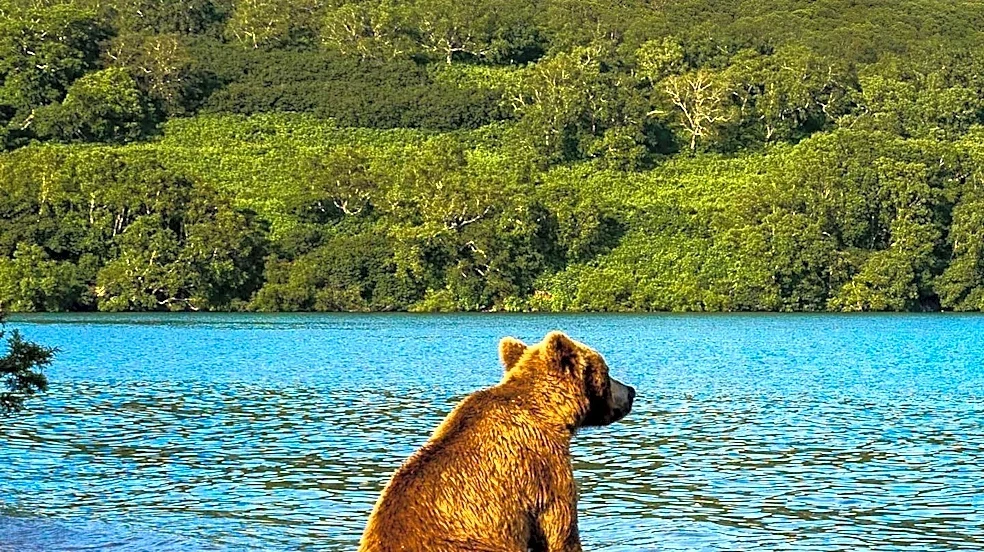
More than 20,000 people signed. The Wildlife Resources Commission listened. I was told the governor’s office got involved, though it never made a public statement. Should she be caught, Dolly will go to the N.C. Zoo until a permanent sanctuary placement is found, and her cub, Wendell, will be released in the national forest. She doesn’t have to die to teach us a lesson about coexistence, but we can’t keep making bears pay for our trash.
I learned I don’t have thick enough skin for public advocacy, but I’m willing to try, because I want my child to know I fought for a more humane, compassionate world, where anyone can speak up for what matters to them.
I learned there are people in the shadows sending kindness, and people who will cheer you on publicly. I also learned how hard it is to be judged by a headline, and it reminded me that there’s always more to someone’s story. Still, I found my village. That was everything.
Someone told me that change starts with one person, and that this time, that person was me. I shared an idea and was met with overwhelming kindness and respect — even from people who disagreed with me. That’s what public safety can look like: a community where it feels safe to speak, and safe to disagree.
Most of us notice things worth speaking up about: drivers speeding past the bus stop, dangerous intersections, open trash cans teaching wild bears where dinner is. Many of us stay quiet, worried about being seen as troublemakers, about upsetting neighbors, or that our voices don’t matter.
A community where people stay quiet isn’t a safe community. It’s just a quiet one, until something goes wrong. I hope that as we tackle hard issues, vote or talk with neighbors, we create a place where people feel safe sharing their truth, and offer them grace if at first they whisper or stutter, until they find their full voice.
I want to live in the kind of community Wendell Berry, for whom I named Dolly’s cub, has spent his life writing about: one where people love their place enough to speak up for it, and love their neighbors enough to listen.

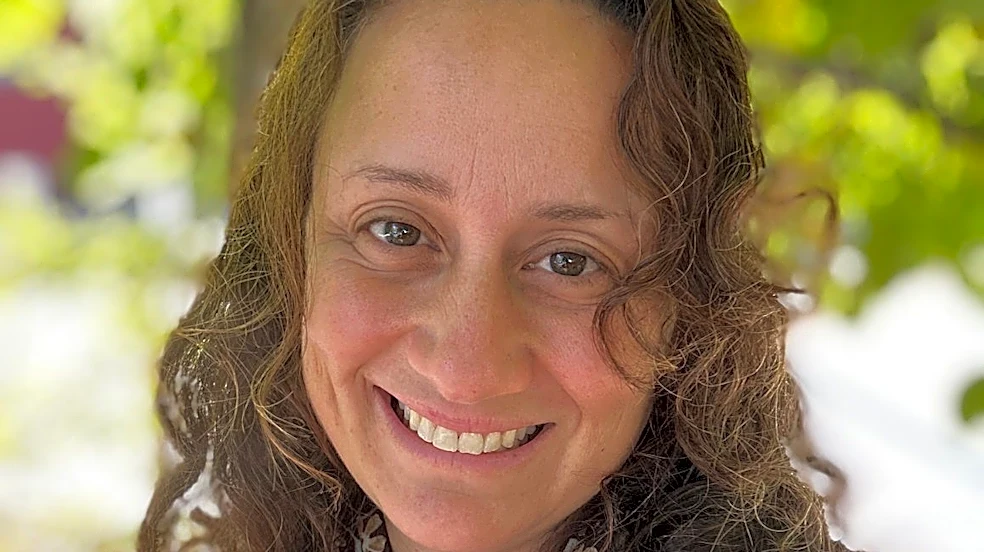
Hannah Furgiuele started the Pardon Dolly campaign. She lives in Asheville.
This article originally appeared on Asheville Citizen Times: Opinion: What Dolly the bear taught me about public safety