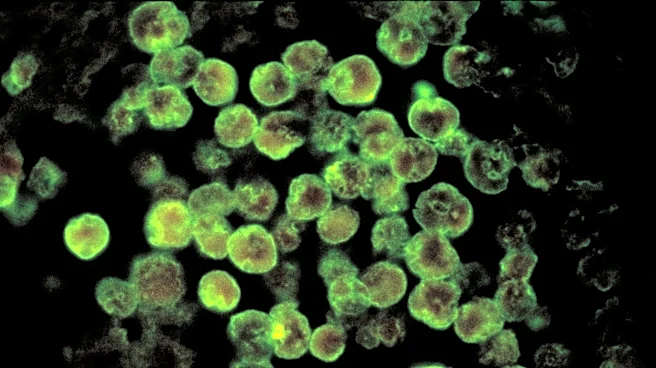








Naegleria fowleri, often described as the brain-eating amoeba, has been making headlines following the death of a North Carolina teen caused by the rare infection in August.
As previously reported by the Citizen Times, a Sept. 15 news release from the N.C. Department of Health and Human Services announced findings that the teen likely contracted the deadly infection from a water feature located at a community-based organization in Durham, which is now closed to the public.
The U.S. Centers for Disease Control and Preventionwebsite states that Naegleria fowleri lives in soil and warm freshwater lakes, rivers, ponds and hot springs around the world. The amoebas have also been found in tap water, poorly maintained swimming pools, splash pads and other
recreational venues, though very rarely.
In the wake of this rare case, here is what the statistics show in North Carolina on these brain-eating amoeba infections and which states see the most infections.
Which states have the most brain-eating amoeba cases?
In the years between 1937 and 2025, the CDC has recorded 10 or more cases of Naegleria fowleri in the following states:
- Texas - 40
- Florida - 37
- Virginia - 18
- California - 10
How many brain-eating amoeba cases has North Carolina had?
There were seven cases of Naegleria fowleri reported in North Carolina by the CDC between 1937 and 2025.
What months have the most brain-eating amoeba cases?
The CDC website states that infections most often occur after someone goes swimming or diving in a lake, river or other freshwater during summer months. Long periods of hot weather resulting in higher water temperatures and lower water levels increase the risk of infection.
Data show that among the 157 cases diagnosed from 1937 to 2025, 60 of the cases occurred in July and 56 in August, which the CDC says "may correlate with increased water exposure during warmer months." The CDC also noted that the month of illness onset was unknown for 23 cases.

How does someone contract a brain-eating amoeba?
Primary amebic meningoencephalitis, or PAM, is caused when water containing amoebas goes up the nose, allowing the amoebas to enter the brain. PAM cannot be contracted by drinking water containing Naegleria fowleri, and infected people cannot spread the infection to others.
How many people have survived brain-eating amoeba infections?
Less than 3% of people with PAM have survived their infections. The CDC reports that of the 164 cases reported between 1962 and 2023, only four patients survived their infections.
Iris Seaton is the trending news reporter for the Asheville Citizen Times, part of the USA TODAY Network. Reach her at iseaton@citizentimes.com.
This article originally appeared on Asheville Citizen Times: Which states have the most brain-eating amoeba cases? What data shows