







The cyclosporiasis outbreak is still ongoing ― and cases in North Carolina have jumped up as of the state health department's most recent news release.
The U.S. Centers for Disease Control and Prevention describes cyclosporiasis as an intestinal illness caused by the microscopic parasite Cyclospora cayetanensis, which is also known as cyclospora. Infection is caused by consuming food or water that contains the parasite, and symptoms may include watery diarrhea and can be explosive, abdominal cramps and bloating, loss of appetite, weight loss, nausea and low-grade fever. Vomiting has also been reported as a symptom, but is less common.
A specific source of the cyclosporiasis outbreak, which is affecting 41 states and is linked to more than 5,000
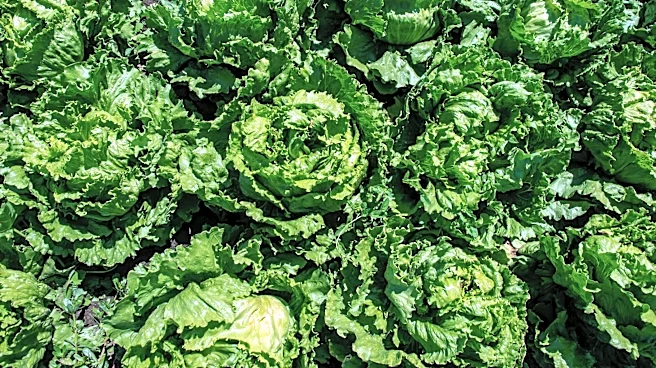
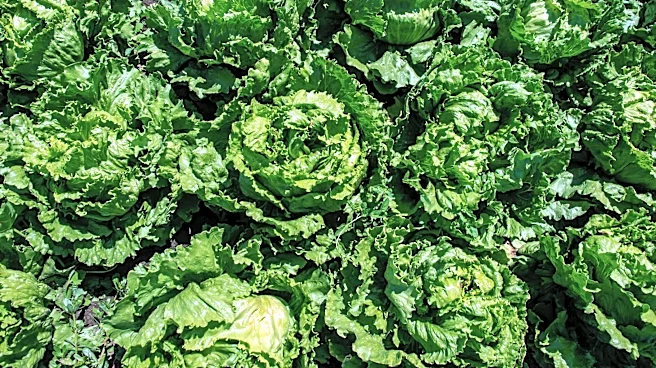
cases, according to the most recent CDC data, has not yet been identified. The parasite linked to the illness is known to be linked to certain vegetables, including lettuce.
Here's what to know in North Carolina following the latest update in numbers from the N.C. Department of Health and Human Services.
How many cases of cyclosporiasis are there in North Carolina?
According to a July 21 news release from the N.C. Department of Health and Human Services, there had been 561 cases of cyclosporiasis confirmed in the state between May 1 and July 20. Alarmingly, numbers from July are up by over 200 from previous N.C. DHHS reports, which tallied 307 cases between May 1 and July 14.
A previous report from the agency noted that the state has "experienced a consistent level of cyclospora cases from 2024 to 2026, with 2024 marking an uptick in cases from years prior."
What foods carry cyclospora in North Carolina? Is Taco Bell lettuce safe in North Carolina?
A previous N.C. DHHS news release from July 17 noted that, while a recent increase in cyclosporiasis cases "does not appear to be associated with the outbreak in other states involving Taco Bell," certain foods including parsley, cilantro and lettuce have been noted to be most linked to N.C. cases.
"While this type of information can suggest which types of produce are more likely to be contaminated, it does not prove with certainty that any of these were the source of infection," the release stated.
Has anyone died from cyclosporiasis?
According to the most recent USA TODAY reports and CDC data, no deaths have occurred due to cyclosporiasis to date, though 308 hospitalizations have been reported by the CDC.
Where is the cyclosporiasis outbreak? Which states have the most cyclosporiasis?
Latest numbers from the CDC confirmed a number of new cases, bringing the nationwide total to 4,173 reported cases in 41 states since May 1. The agency adds that cases may not be limited to the states with known cases, as "the true number of people sick with cyclosporiasis was likely higher than the number reported" due to the tendency of many to recover without medical care or testing.
According to the CDC, states where case numbers are the highest include:
- Michigan - 901-2,1000 cases
- Ohio 301-500
- Indiana - 161-300
- New York 161-300
- North Carolina 161-300
Is cyclosporiasis contagious?
According to the CDC, cyclospora spreads when people eat food or drink water that was contaminated with infected feces. As it takes at least 1-2 weeks in the environment outside of the body for cyclospora to become infectious after passing in a bowel movement, direct person-to-person transmission of the parasite is deemed "very unlikely."
What foods are linked to cyclosporiasis parasite?
As reported by USA TODAY, an investigation by the CDC, FDA and state health officials linked shredded iceberg lettuce served at Taco Bell locations in Indiana, Kentucky, Michigan, Ohio and West Virginia to an outbreak of cyclosporiasis. The FDA's traceback investigation identified a single supplier of iceberg lettuce from Mexico used by these Taco Bell locations.
Previous studies have shown that, since at least the mid-1990s, cyclosporiasis outbreaks in the U.S. are usually linked to consumption of fresh produce, such as raspberries, basil, mesclun, lettuce, snow peas, cilantro and green onions.
Though no commercially frozen produce, cooked foods or peeled fruit have been associated with cyclosporiasis infection, cyclospora could theoretically be spread to any food or water through contamination by infected feces.
Iris Seaton is the trending news reporter for the Asheville Citizen Times, part of the USA TODAY Network. Reach her at iseaton@citizentimes.com.
This article originally appeared on Asheville Citizen Times: North Carolina cyclosporiasis numbers rise. How much they've gone up