




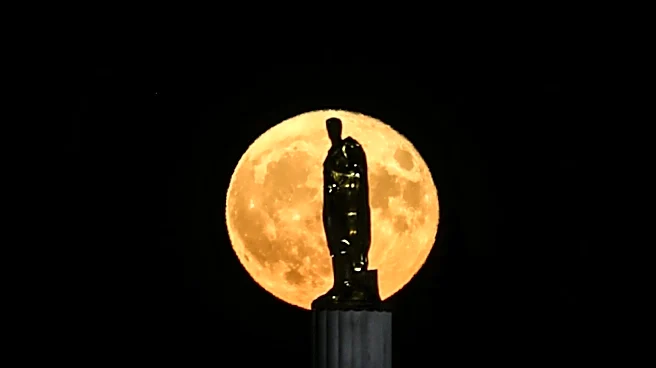
Western North Carolina and much of North America will be able to view a partial lunar eclipse this week as the August full moon rises.
In the hours leading up to the peak of August's Sturgeon full moon, there will be a partial lunar eclipse that people across North Carolina will be able to see. But some patchy rain predicted for the North Carolina mountains could put a damper on the view for stargazers, according to the Thursday, Aug. 27, forecast from the National Weather Service.
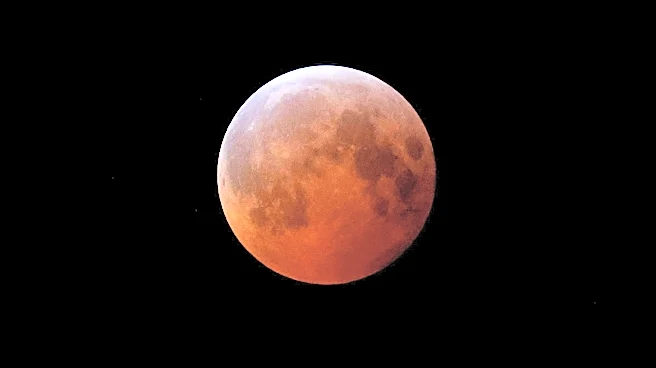
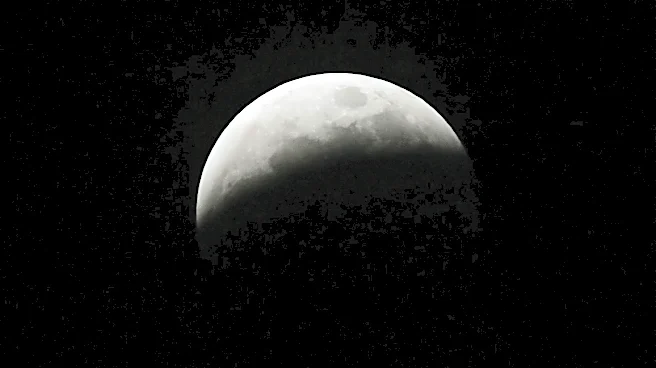
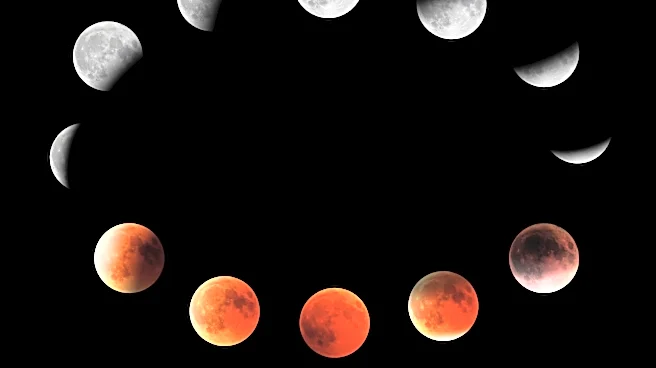
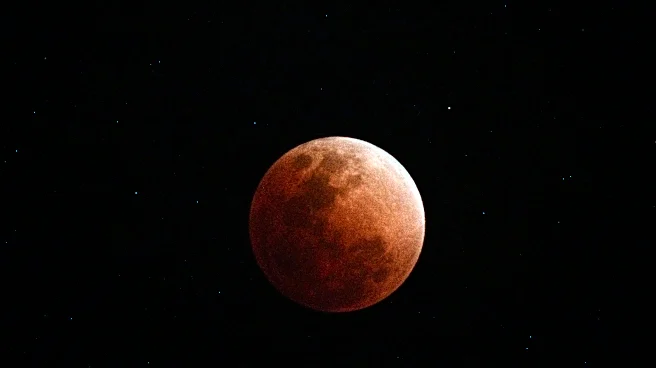
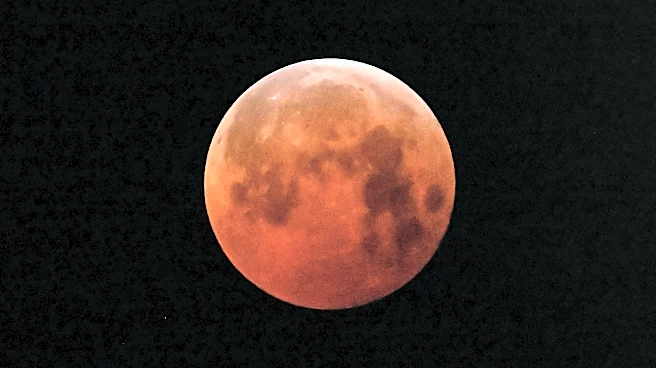
Though the lunar eclipse will not reach 100%, SkyandTelescope.org describes it as a "deep partial lunar eclipse," with Earth's shadow covering about 96% of the moon's visible surface at its peak. The eclipse will also cast a coppery color across the moon, earning the name
"blood moon."
The eclipse is expected to start before 9:30 p.m. and peak just after midnight. As the peak of the lunar eclipse comes to an end, the full moon will peak.
Take a look at the latest forecast for the night of the partial eclipse and when N.C. stargazers should look up, plus information on the upcoming full moon and more celestial events.
When is the peak for the partial lunar eclipse in North Carolina?
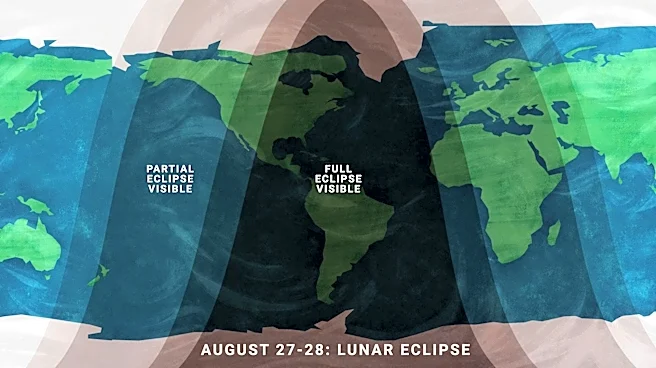
The lunar eclipse will occur Thursday, Aug. 27, into Friday, Aug. 28. About 96% of the moon's visible surface will be darkened by the eclipse, with the eclipse beginning at around 9:23 p.m., peaking at around 12:13 a.m., according to TimeandDate.com.
Will I be able to see the partial lunar eclipse in North Carolina?
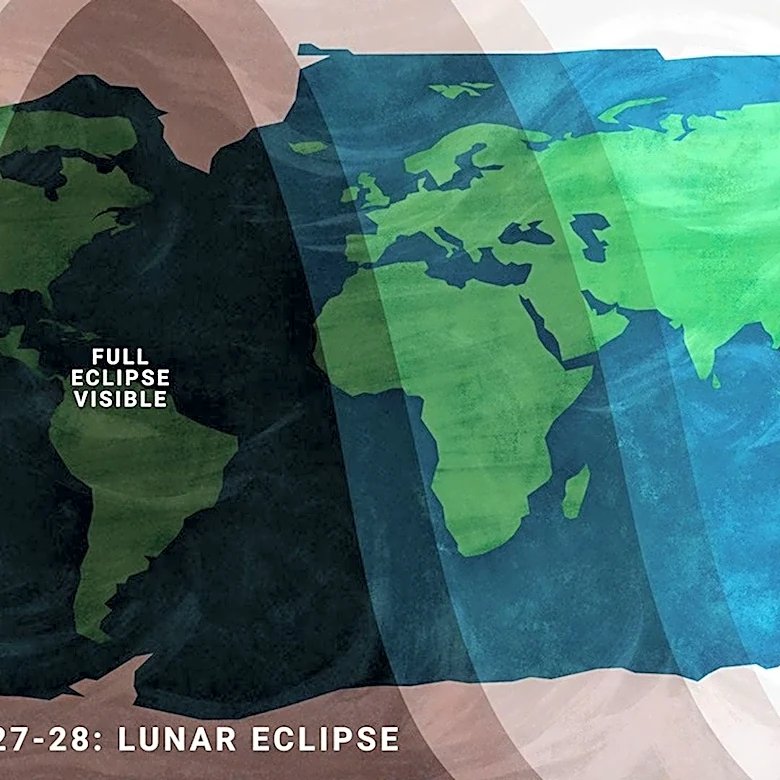
Western North Carolina stargazers is expected to have a great view of the partial lunar eclipse, along with much of the United States East Coast, as long as the weather holds out.
The National Weather Service is predicting storms heading into the prime time of the eclipse in the mountains. The weather forecast for Aug. 27 calls for a 30% chance of showers and thunderstorms, mainly before 9 p.m. with patchy fog after 1 a.m. But it is expected to be mostly cloudy most of the evening with a low around 64.
If the weather is favorable in the area, don't worry about any special eye protection like that needed for a solar eclipse. People could be able to view the lunar eclipse with the naked eye or the help of a telescope.
What causes a lunar eclipse?
A lunar eclipse is an astronomical event that happens when the sun, Earth and moon all align so that the moon passes into the Earth's shadow, causing the moon to be darkened.
Unlike solar eclipses, totality can last up to nearly two hours and is safe to view without any eye protection.
What is a blood moon?

"Blood moon" is a nickname given to total lunar eclipses due to the red or orangish appearance of the moon during an eclipse. The process that causes the chance in appearance is the same that makes our sky blue and our sunsets red, according to NASA.
When is the next full moon? August 2026 full moon
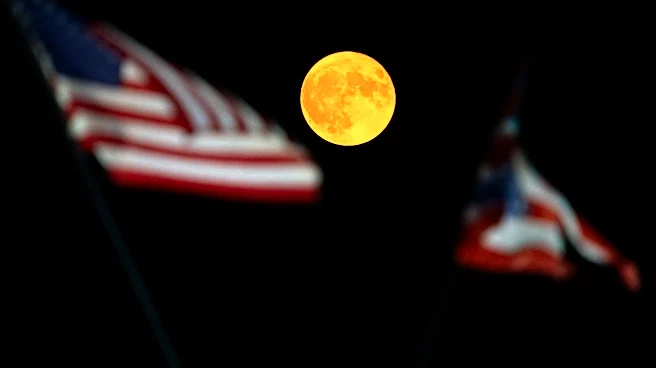
August's full "Sturgeon Moon" will reach peak illumination at 12:18 a.m. on Friday, Aug. 28, according to the Old Farmer's Almanac.
Iris Seaton is the trending news reporter for the Asheville Citizen Times, part of the USA TODAY Network. Reach her at iseaton@citizentimes.com.
This article originally appeared on Asheville Citizen Times: Time to look up NC stargazers. Peak times for lunar eclipse, full moon