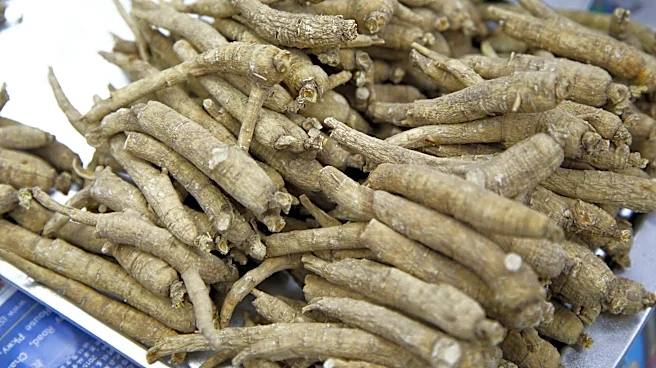








National Park Service rangers have contacted two suspects for illegal harvesting of ginseng roots in the Great Smoky Mountains National Park, according to a Sept. 30 Facebook post.
Between them, the suspects were found to have poached nearly 700 ginseng roots from the park. The post noted that many of the undamaged seized roots will be replanted in the park by the natural resources team; according to the post, long-term data show that about one-third of replanted ginseng roots will survive.
Ginseng, which takes about 7-10 years to mature and make seeds and can live more than 75 years, is often poached due to its use in traditional medicine.
Here's what we know about the new case, plus more on ginseng and related crimes in North Carolina.
Ginseng poaching in the Great Smoky Mountains
On Sept.
30, the Great Smoky Mountains National Park Facebook page posted announcing that rangers had contacted two separate suspects for illegal harvesting of ginseng roots in the park. The suspects are believed to have poached 167 ginseng roots and 521 roots, respectively.
The post noted that collecting or possessing ginseng is illegal in the park and may result in fines of up to $5,000 and/or up to six months in prison. The post added that anyone who suspects poaching in the park should contact Great Smoky Mountains Dispatch at 865‑436‑1230.
Has anyone ever been charged with poaching ginseng?
In a 2009 case, two men were accused of poaching ginseng in the Great Smoky Mountains National Park. The first defendant was found guilty of digging ginseng and was sentenced to 30 days in jail and fined $500 for the crime.
What is ginseng?
The U.S. Park Service describes American ginseng as a "is a long-lived herbaceous perennial" native to forests in the eastern U.S. It is similar to the Asian medicinal plant Panax ginseng, which is widely used in traditional herbal medicine.
What are the benefits of ginseng?
The Cleveland Clinic explains that ginseng is a source of antioxidants and may support energy, focus and immune system health. The U.S. Food and Drug Administration has not evaluated the supplement for any medical use; however, meaning that ginseng products sold as herbal or dietary supplements are not regulated like medications.
Why is hunting ginseng illegal?
Due to its value, American ginseng is a common target of poachers. Overharvesting among poachers is believed to have contributed to range-wide population declines. The plant is listed as being under "special concern," "threatened," "endangered," and other at-risk categories in at least 10 states.

Is it illegal to dig for ginseng in North Carolina?
The North Carolina Wildlife Resources Commission lists several prohibitions around digging up wild ginseng in the state, including:
- Collection of wild ginseng is prohibited from Jan. 1-Aug. 31, and collectors should replant any ginseng seeds from collected plants during harvest season Sept. 1-Dec. 31
- It is unlawful to possess ginseng roots and ginseng berries (seeds) simultaneously
- To collect ginseng from someone else's land, the collector must have written permission from the landowner, signed, dated and valid for no more than 180 days on hand while digging; in National Forests, district offices are responsible for permits
- State and national parks, including the Blue Ridge Parkway and the Great Smoky Mountains National Park, state forests and state game lands do not allow ginseng collection
Additionally, there are regulations around the size of plants diggers are allowed to collect. Ginseng dealers and nursery dealers must also obtain special permits. Stealing ginseng from another person's land is a felony in the state. For more information on regulations, visit ncwildlife.gov/enforcement/ginseng-regulation.
Iris Seaton is the trending news reporter for the Asheville Citizen Times, part of the USA TODAY Network. Reach her at iseaton@citizentimes.com.
This article originally appeared on Asheville Citizen Times: Two accused of ginseng poaching in Great Smoky Mountains