





MARION ― Tropical Storm Helene left Baxter’s North Cove factory in McDowell County swamped with muddy floodwater and its access bridges badly damaged.
More than just a local problem, the storm damage choked off a vital supply of sterile, bagged IV fluids and forced hospitals across the country to ration supplies and weigh postponing surgeries.
Two years later, the company has reinforced levees and upgraded infrastructure to better protect the plant — and the U.S. health care system that depends on it — from another disaster.
“Each bag has a face,” Dante Besseghini, plant director, told the Citizen Times Sept. 21. “It’s a person in a hospital, in need.”

A lifeline under water
For more than half a century, Baxter International’s North Cove plant near Marion has supplied
products that help keep American hospitals running. The company says the quality of the local water — water that decades later would damage the plant — drew it to McDowell County.
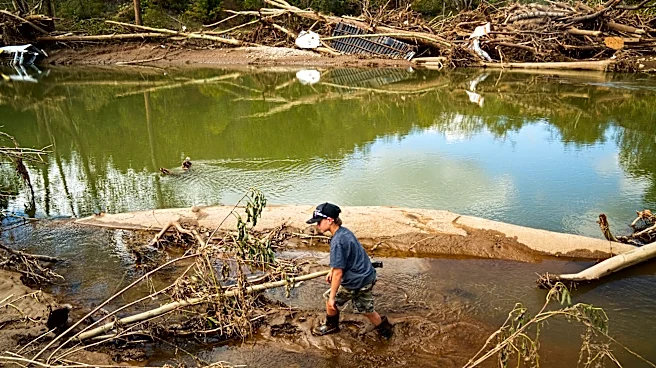
Helene flooded the factory on Sept. 27, 2024, after a levee built around the facility could no longer keep the Catawba River from running wild across the sprawling site. As in many locations across the region, downed trees carried by the raging floodwaters knocked out a bridge that supplied access to the plant.
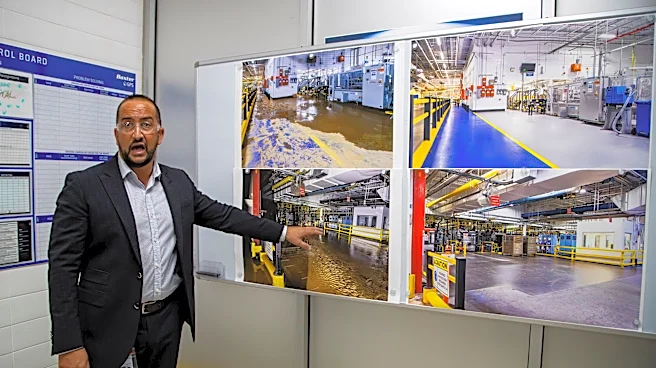
Fish swam inside the flooded building. When the water receded, it left 18 inches of mud inside. Bear tracks marked the cafeteria.

The consequences reached far beyond Western North Carolina.
Baxter describes the 1.4 million-square-foot North Cove site as the world’s largest IV manufacturing plant. Baxter reported it had 2,200 employees at the site, which produces around 1.4 million IV solutions daily and, according to the company, ships 1,800 pallets a day.
The company says its products reach 350 million patients in 100 countries — a global reminder of the people Besseghini sees behind each bag.
Those fluids support some of medicine’s most routine and critical functions, from hydrating patients to delivering medications and supporting surgery. Dialysis solutions help patients whose kidneys can no longer adequately filter their blood.
The inundation by Helene's floodwaters halted production and disrupted a major source of the nation’s medical supplies. Trade publication HealthExec reported that North Cove produced about 60% of the IV bags used by U.S. hospitals and providers.

Baxter restricted customer orders to spread available supplies and discourage stockpiling. Hospitals faced difficult decisions about conserving the fluids and maintaining services.
In October 2024, NPR reported that an Oregon hospital expected to receive just 40% of its usual orders and was discussing limiting elective surgeries. Baxter also urged hospitals to reassess their use of IV fluids, reserving supplies for patients who needed them most.

The disruption exposed how inflexible the medical product supply chain is; a pharmacy expert told NPR some facilities carried only a week to 10 days of particular solutions, partly because the bulky bags require substantial storage space.
Restoring the flow
Baxter’s response to Helene began with helping its own workforce.
“As I came up, I saw the destruction in Marion,” said Besseghini, who was working at a Baxter facility in Puerto Rico when the storm hit. “When I got to the site, it was really unbelievable.”
The company established an employee support center offering food, water, showers, laundry facilities and other essentials.

Sterility is crucial to the products made here, and the plant is cleaned continuously even under normal conditions. Returning a mud-filled factory to that standard was essential before production could resume.
According to its recovery timeline, a temporary bridge was installed Oct. 7, 2024, and the first 1,000 employees returned a week later. Crews completed deep cleaning of production rooms a week after that — clearing another hurdle toward restarting manufacturing.
Baxter also mobilized nine plants across its global network to bolster supplies. The company said the first shipments authorized for temporary importation arrived in the United States Oct. 19, 2024. More than 1,200 truckloads of products manufactured before Helene were eventually moved off the North Cove site to customers.
The first high-volume IV production line restarted there a month after the storm. By late January 2025, all 10 manufacturing lines had resumed operation. Baxter reported restoring pre-storm production levels that February, although rebuilding inventories and lifting ordering restrictions took longer.
“We had about 4,000 contractors working 24/7 cleaning all the areas,” Besseghini said. “We did everything we could as Baxter — globally, not only as a site — to be able to supply our product with top quality and without any safety issues at the site.”

He credited McDowell County emergency management personnel, along with two federal agencies, for helping the plant reopen as quickly as it did. The Federal Emergency Management Agency, he said, helped with the design of a new $8 million levee that exceeds FEMA regulations, and the Food and Drug Administration ensured that the plant could meet the high standards for producing such a delicate — and important — product.
“As I have said, every bag has a face,” he said.
Cory Vaillancourt is the Helene Recovery/Investigations Reporter for the Asheville Citizen Times. Find him on X at @The_CoryV or on Signal, via email at cvaillancourt@citizentimes.com or at 912-508-5640.
This article originally appeared on Asheville Citizen Times: Baxter plant's Helene recovery has a human face