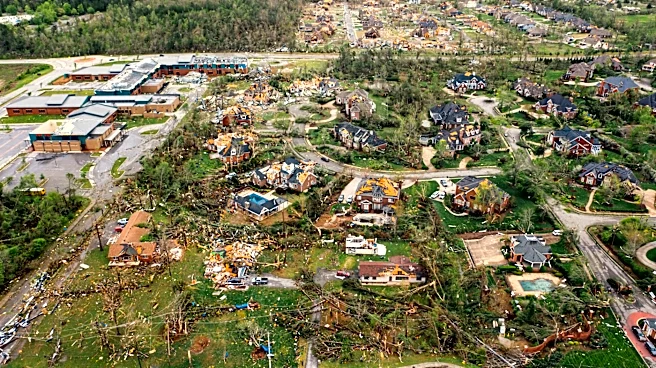






Hurricane Helene’s flooding brought big changes to Asheville’s parks along the Swannanoa River. The rebuilding effort, as presented to a joint meeting of city recovery boards Aug. 25, aims to change that footprint even further.
Michael Miller, a partner with the Philadelphia-based design studio OLIN, shared his firm’s interim design plans for Recreation Park and Azalea Park. In October, Asheville City Council approved a contract of up to $4.6 million for the consultant’s design and engineering services on the recovery project.
Based on community feedback, Miller told the city’s Infrastructure Recovery Board and People and Environment Recovery Board, OLIN had redesigned the parks with a philosophy of “reposition, elevate, connect.” By shifting
the locations of park infrastructure and embracing natural features, he explained, the area could become more resilient to future floods while maintaining many amenities.

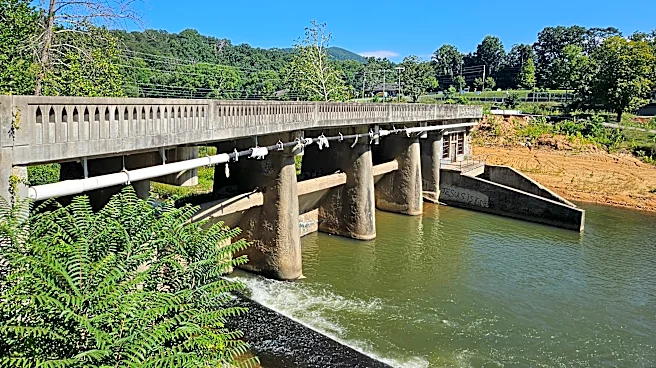
The biggest change to result from that approach would be the removal of the Lake Craig Dam, the century-old structure beneath the damaged Gashes Creek Road Bridge. The dam was originally built to retain a recreational lake and generate hydropower before being partly decommissioned in the 1950s, Miller said, and had no appreciable impact on downstream flooding.
Although Asheville had at one point considered reactivating the dam for flood control, Miller said any feasible structure would do little to prevent damage from large storms like Helene. In contrast, removing the dam would improve the river’s ecology and enhance its accessibility for paddlers. He said that it might also reduce flooding for upstream properties, including the notoriously flood-prone John B. Lewis Soccer Complex.
The bridge itself would be moved upstream, in better alignment with the existing Gashes Creek Road. Miller said new competition and recreation pools, along with a larger pool building, would be placed “as high as we can get them” to reduce flood risk.

Other improvements in the draft design include a large community gathering space near the pools, a natural play area, a multi-use loop trail around the soccer fields, and flood control wetlands. Miller said a full cost estimate wasn’t yet available but that most funding for the work would come from the Federal Emergency Management Agency or state recovery grants.
Recovery board members generally supported the plan, but several raised concerns about the dam removal. Mike Holcombe, a former Asheville water resources director who serves on the Infrastructure Recovery Board, told Miller that he could expect "friction from the public” due to misconceptions about the dam’s role in flood control.

Others said the dam was a meaningful recreation asset itself. Speaking with the Citizen Times after the meeting, People and Environment Recovery Board member Bobby Smith said his children had learned to fish beneath the structure — “My youngest ate his first worm there,” he added with a laugh — and that many other Asheville natives had similar memories. He suggested that removing the dam shouldn’t be a priority when the city has so many other recovery needs.
Further public engagement on the Azalea parks project will take place in the fall, with the next design update expected in October. Residents can see the latest information from the city and register for updates online at publicinput.com/e84033.
Daniel Walton is the City Government Watchdog Reporter for the Asheville Citizen Times. Email him at dwalton@gannett.com.
This article originally appeared on Asheville Citizen Times: Dam removal, new pools planned at Azalea park complex