




A recall on certain Gatorade products has been issued by the U.S. Food and Drug Administration; however, it is unlikely to affect a majority of Americans.
The recall was initially issued Sept. 25. On Oct. 2, the FDA classified the recall as a Class II, meaning that use of or exposure to the recalled products may cause "temporary or medically reversible adverse health consequences," or that the chance of serious adverse health consequences associated with the recalled products is "remote."
Here's what to know.
What type of Gatorade is being recalled? Gatorade recall info
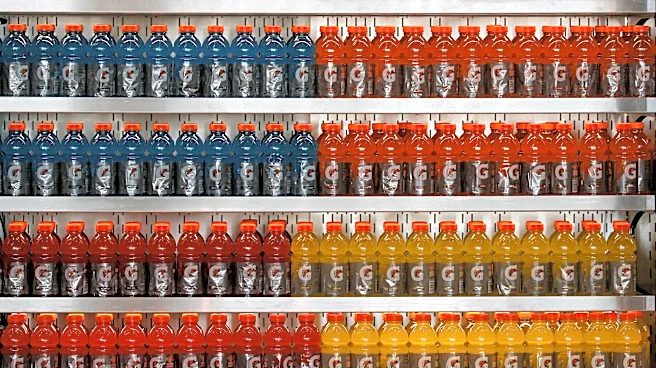
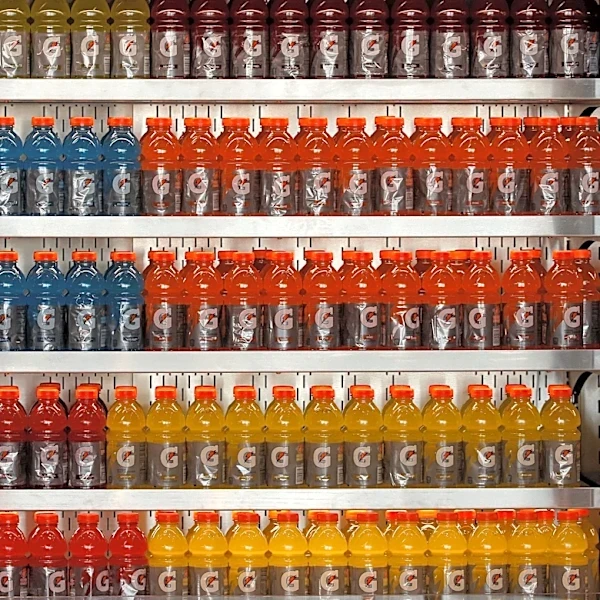
The recalled products include 28 oz. bottles of the following Gatorade products:
- Gatorade Lemon Lime
- Gatorade Lemon Lime Zero
- Gatorade Orange
- Gatorade Orange Zero
Was recalled Gatorade sold in North Carolina?
Yes, recalled Gatorade was sold in North Carolina.
The recalled products were also sold in Alabama, Alaska, Arizona, Arkansas, California, Colorado, Florida, Georgia,
Hawaii, Idaho, Illinois, Indiana, Iowa, Kansas, Kentucky, Louisiana, Michigan, Minnesota, Mississippi, Missouri, Nebraska, Nevada, New Jersey, New Mexico, New York, North Dakota, Ohio, Oklahoma, Pennsylvania, South Carolina, South Dakota, Tennessee, Texas, Utah, Washington and Wisconsin.
Why is Gatorade being recalled?
Though Gatorade products are being recalled, the amount of people likely to be affected is low, as the recall was issued due to undeclared food dyes Yellow No. 6 and/or 5.
Healthline.com explains that food dye allergies are rare, with experts believing they only affect only a small number of people.
What to do if you bought recalled Gatorade
Though a recall has been issued on affected Gatorade products, they should still be safe to consume for anyone without food dye allergies. Affected products can be returned to the retailer where they were purchased for a refund.
Food dye allergy symptoms
Healthline explains that allergies to food dyes can vary. Yellow No. 5 has been associated with allergic reactions, particularly hives and swelling, with some older studies suggesting the dye might trigger asthma attacks in some children.
Human hypersensitivity to Yellow No. 6 has also been reported, with cases linking the dye to instances of anaphylactic shock, stomach cramps, skin lesions and hives.
What food dyes can cause allergic reactions?
Healthline lists the following food dyes as being most commonly linked to allergic reactions:
- Red 4 - Also known as Carmine, linked to a variety of symptoms including skin redness or discoloration, swelling and rashes, atopic eczema, gastrointestinal symptoms, wheezing, coughing and other respiratory symptoms
- Red 40 - Also known as Allura Red, known to cause hives and facial swelling in people with allergies
- Yellow 5 - Also referred to as tartazine, associated with allergic reactions, particularly hives and swelling, with some older studies suggesting the dye might trigger asthma attacks in some children
- Yellow 6 - Also known as Sunset Yellow, linked to instances of anaphylactic shock, stomach cramps, skin lesions and hives
- Annatto - Linked to mild skin reactions with some older studies reporting cases of severe, anaphylactic reactions in people sensitive to the dye
- Blue 1 - Also known as Brilliant Blue, linked to potential neurotoxicity (damage to the nervous system) in fetuses and children
Is the FDA banning food dye?
According to an April 22, 2025, news release from the FDA, the administration and the U.S. Department of Health and Human Services plan to "phase out all petroleum-based synthetic dyes from the nation’s food supply."
Apart from plans to fast-track the removal of red dye 3 from U.S. products, the following actions associated with this missive were announced in the release:
- "Establishing a national standard and timeline for the food industry to transition from petrochemical-based dyes to natural alternatives."
- Initiating the process of revoking authorization for the use of synthetic food dyes citrus red No. 2 and orange B within the coming months.
- "Working with industry" to work towards eliminating six further synthetic dyes including FD&C green No. 3, FD&C red No. 40, FD&C yellow No. 5, FD&C yellow No. 6, FD&C blue No. 1, and FD&C blue No. 2 from the U.S. food supply "by the end of next year."
- Authorizing four new natural color additives - calcium phosphate, Galdieria extract blue, gardenia blue and butterfly pea flower extract - while "accelerating the review and approval" of others.
- Partnering with the National Institutes of Health to research how food additives impact the health and development of children.
Iris Seaton is the trending news reporter for the Asheville Citizen Times, part of the USA TODAY Network. Reach her at iseaton@citizentimes.com.
This article originally appeared on Asheville Citizen Times: Recall issued on Gatorade sold in NC. Here's which kinds are affected