





In 2016, I bought North Carolina's oldest operating jail at a county auction, four years after it was decommissioned. I spent the next five years turning it into an art installation, restaurant, and hotel. Today, the restaurant employs 22 people and serves great food in a casual setting.
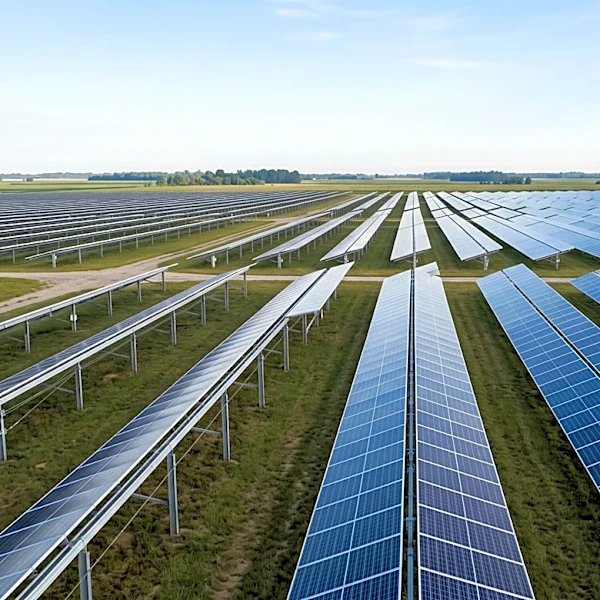
My philosophy has always been to keep the place busy and accessible, even if that means a thinner margin rather than charging higher prices that push away the customers who sustain us. Rising energy costs are making that harder every month. Our electric bills are up. Spiking fuel and transportation costs throughout the supply chain have pushed food prices up even more. I looked into solar panels to cut our energy costs, but withfewer tax incentives available,
due to Trump and Congressional Republicans’ destructive budget bill, I couldn't make the numbers work. When every major expense rises at once, an independent business runs out of costs it can absorb without cutting jobs, raising prices, or losing what makes it special.
I'm not alone. Household electric bills areup about 15 percent nationally since Trump took office, after spiking as high as 18 percent. Utilities have raised or sought rate increases totalingmore than $100 billion, hitting more than 116 million electric customers and 59 million natural gas customers in 49 states and the District of Columbia. Duke Energy customers face rate increases of $343.92 more per year by 2028, if that's your utility. For a property like mine, that touches everything: lighting and cooling guest rooms, refrigerating food, running a commercial kitchen.
It didn't have to be this way. In North Carolina alone,12 clean energy projects have been canceled, delayed, stripped of grants, or hit with layoffs, putting 9,935 jobs and more than $2.3 billion in investment at risk or on hold. When less power comes online, supply tightens and prices rise.
The pressure goes beyond electricity. The national average price of gasoline hit$4.09 a gallon in late August, up 37 percent since February andthe highest ever recorded for August. Since the war with Iran began, American households have spent an additional$50.1 billion on gasoline, more than $382 each. I don't run a fleet, but higher fuel prices reach me through every delivery. Natural gas is climbing too:residential prices rose 12 percent between May 2024 and May 2026, and thegas used to generate power rose about 20 percent. A restaurant can't stop using its ovens, refrigeration, and hot water. Energy is built into the cost of every meal.
Across all energy costs – gasoline, diesel, electricity, and natural gas – new nonpartisan analysis projects that Trump and Republicans’ recent anti-clean energy policy actions will cost North Carolina households an additional $34 billion for energy costs over the next 15 years – an average of $670 per household in 2035 and $770 in 2040.
It took me five years to turn a decommissioned jail into a place full of art, guests, meals, and jobs. I’m incredibly proud of our restoration of this historic building and the gathering place it has become for the Marshall community, but we can't keep absorbing costs we didn't create. We're asking for practical action. Washington needs to listen to small business owners and bring more energy online to bring costs down. Dependable, affordable power is what keeps businesses like mine alive.
Josh Copus is a ceramic artist and creative entrepreneur from Marshall, North Carolina, where he lives with his flower farmer wife Emily Copus. In 2016, Josh bought the Old Marshall Jail with a group of friends. They are currently in the process of readapting the space into a creative blend of residential apartments and commercial space. When he is not building and making things, Josh spends most of his time on his land stacking rocks, enjoying the satisfaction of freshly cut grass, operating the tractor, and constantly searching for interesting materials to build and make things with. Since moving to North Carolina in 1998 to attend Warren Wilson College, Josh has continued to study ceramics at a variety of schools and through countless hours of working with other artists throughout the world.
This article originally appeared on Asheville Citizen Times: Opinion: Rising energy costs are squeezing small businesses like mine