
Buncombe County is a place of contrasts. It is the largest county entirely in the Blue Ridge Mountains by both area and population, but also contains true wilderness.
We are blessed to have both the Craggy
Mountains and the Pisgah Ridge in our views. We have the broad valleys of Fairview and Big Sandy, the towering heights of Blackstock Knob and the precipitous Blue Ridge Escarpment. We have some of the wettest terrain in eastern North America at Mount Pisgah and the driest place in North Carolina at Dry Ridge in Alexander. We have the bright lights of Asheville and quiet Appalachian farm communities. To protect all of this vote “yes” on bonds this November.
The contrast between rural and urban makes Buncombe County a great place to live. Few communities combine cultural amenities the envy of cities ten times larger, with diverse outdoor recreation opportunities in local, state, and national parks.
But we can’t maintain our access to the best of both worlds without some thoughtful planning. These amenities continue to draw in new residents, and development will absorb rural areas without intentional action and investment. Appraised values of Buncombe County properties have increased by more than 50% since 2020, further pressuring landowners to cash in on their properties. Since about 85% of Buncombe County is privately-owned, funding for land conservation is vital to retaining the balance of urban services and the clean water, wildlife habitat, and beautiful scenery the area is known for. Increasing financial support for conservation efforts will allow people who want to keep land as farms and forests to get some financial return while providing clean water, wildlife habitat, scenery, and quality of life that all of us benefit from.
In addition to quality of life benefits, conservation land also provides a crucial buffer against natural disasters. Steep slopes modified by development are the number one cause of landslides, which have proven deadly during the increasingly severe storms resulting from global warming. Steep slopes and ridgelines are also the most fire prone parts of our landscape. Prioritizing mountain land for conservation rather than sprawling development keeps people further from high wildfire risk.
In the valleys, floodplains are our most fertile farmlands, but are dangerous places to build. Conserving farmland protects our food supply and also keeps people from building in areas with a high flood risk. Some people might bemoan the costs of funding conservation, but the cost of not conserving land is much greater. For example, the Open Space Institute has calculated that every dollar spent on land conservation results in five dollars in reduced flood damages.
Currently, just 18% of the land in Buncombe County is conserved in either public ownership or private conservation easements that protect farm and forest land and prevent subdivision and sprawl. The Buncombe County Board of Commissioners has set a goal to preserve 20% of the land in the county from development by 2030. That would require protecting just over 6,000 acres of land in the next three years.
The Buncombe County bond referendums will provide the necessary funding for this needed investment in farmland, and open space. Crucially, the bonds will also provide funding for housing, and while it may not be obvious to everyone, the issues of housing, sprawling development, and land conservation are linked. By investing in affordable housing within existing developed corridors, we can drive down the cost of housing and prevent sprawl. By preserving farm land, creating parks, and building greenways, we can ensure that the character of our mountain community is not lost. By putting forth bonds that address housing and open space, Buncombe County Commissioners are getting to the heart of the matter.
These bonds would secure $70 million towards those goals. While $70 million is a lot of money, it would only cost the median homeowner in Buncombe County one dollar a week—a steep bargain for protecting our high quality of life.
In the upcoming election, vote yes on the bonds. Doing so is a vote for our land and our people. Together we can make a meaningful and affordable investment that will improve our community, preserve its character, and make space for people and nature to thrive.
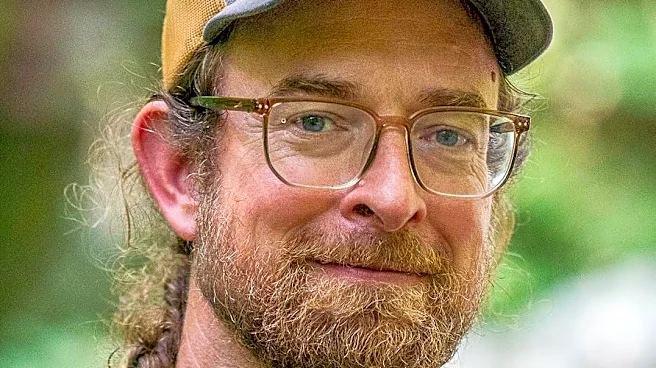
Josh Kelly is the Resilient Forests Program Director for MountainTrue.

This article originally appeared on Asheville Citizen Times: Opinion: Vote “yes” on bonds for open space and affordable housing