







ASHEVILLE - Asheville’s turn hosting the G20 Finance Track meetings is more than just a few days of hotel bookings, local protests and international attention — for three Western North Carolina business leaders, the gathering is also a chance to showcase a region still rebuilding from Tropical Storm Helene, to attract investment and to put local concerns about tourism, trade, infrastructure and workforce development before some of the world’s most influential economic policymakers.
The world checks in

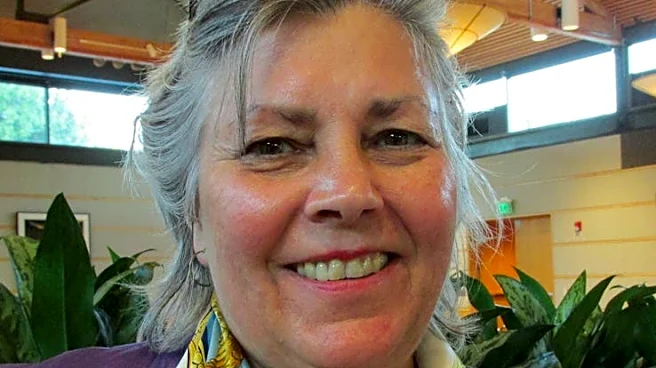
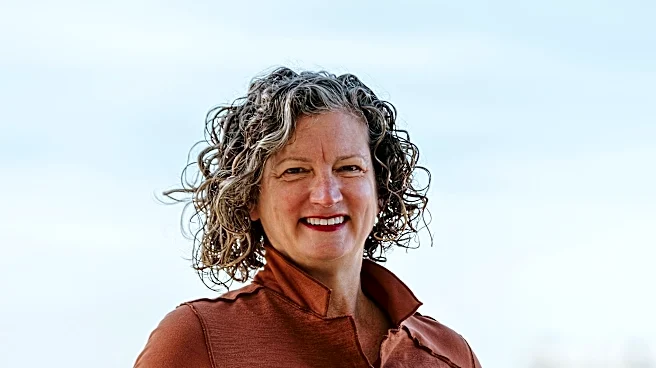
The immediate benefit begins with bringing visitors to Buncombe County and putting money into local businesses, says Explore Asheville's President and CEO Vic Isley.
Explore Asheville attracts conferences, sporting events and leisure travel to support local jobs and businesses.
Isley said the G20 finance track has grown from an estimated 500 attendees to roughly 1,000, making it about the largest event Asheville can accommodate with its available hotel rooms and meeting space. Preliminary estimates based on 500 attendees put direct spending between $1.5 million and $2 million, she said.
But Isley said the larger opportunity may be harder to quantify. The G20 will bring global media attention to a region that, nearly two years after Helene, is still trying to convince visitors that the region is open for business while reminding policymakers that recovery remains unfinished.
Isley said Explore Asheville has booked more conferences and events in Helene’s aftermath than during any comparable period since the organization began in 1983. She sees the G20 as part of an effort to push the visitor economy beyond recovery and into renewed growth, while making the recovery itself part of Asheville’s message.
“This gives us an opportunity as a community and a region to highlight the amazing progress that we've made because of the grit, gumption and determination of the people of Western North Carolina with the local, state and federal resources we have received to date,” Isley told the Citizen Times Aug. 28. “It also enables us to highlight the additional resources and infrastructure that's needed to bring us back even stronger than before.”
Building back, building forward

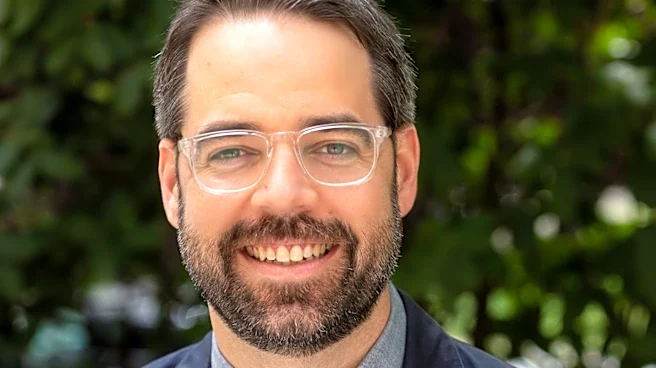
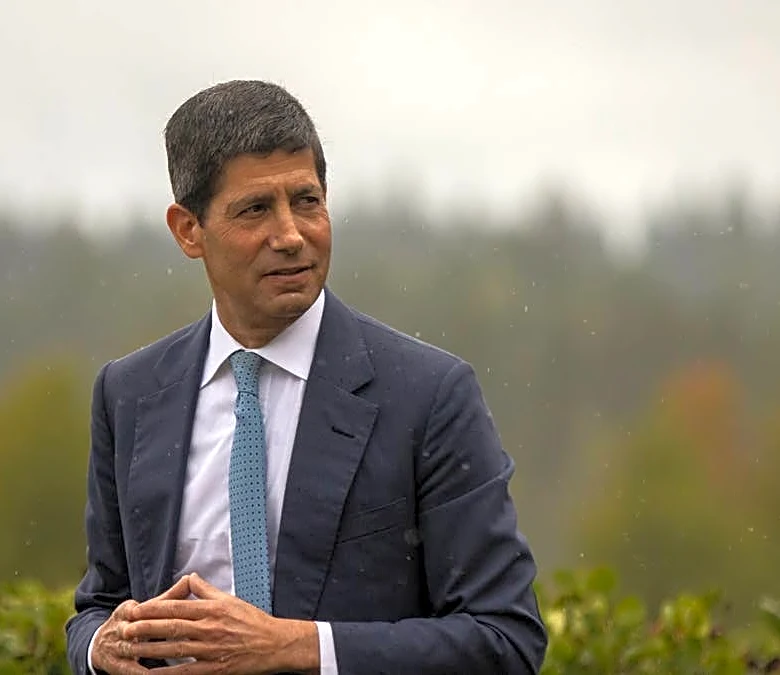
For John Anglin, business development manager at Branch, the G20 arrives against the physical reality of rebuilding WNC.
Branch is a 100% employee-owned general contractor with more than 1,300 employee-owners. In WNC, Anglin said its work is concentrated heavily in site development and transportation, including emergency rebuilding and permanent repairs after Helene.
Anglin also experienced the disaster from within Yancey County’s response. He served on the county incident management team for eight to nine weeks after the storm and said the scale of destruction made outside assistance indispensable. He cited an early estimate of $4 billion to $6 billion in damage in Yancey County alone, compared with an annual county budget of roughly $37 million to $39 million.
Nearly two years later, Anglin said frustration over the pace of recovery is understandable, but permanent reconstruction requires engineering, permitting and environmental work that cannot be completed as quickly as emergency access was restored. Against that backdrop, he sees the G20’s selection of Asheville as a signal that the region remains worthy of attention from policymakers and investors.
“Man, all of Western North Carolina — we need one another,” Anglin said.
For Anglin, recovery and future growth ultimately converge around workforce. Alongside his work at Branch, he is a Mayland Community College trustee and a member of the High Country Council of Governments Workforce Development Board. He said community colleges, universities and career training programs give the region an asset that should figure prominently in any discussion about investment after Helene.
Anglin pointed to transportation improvements, broadband expansion and the region’s institutions of higher learning as pieces of the economic foundation, but he said the most convincing case for WNC is the way residents responded when the storm tested that foundation.
“If there's one thing that I saw in the aftermath of this storm, it was that no one was complaining about how many hours they were working, how many hours they were volunteering, how much time and effort, blood, sweat and tears they were pouring into helping people,” Anglin said. “I think the testament of our region is the fact that we've got people that are resilient. But more than anything, I think we have the best workforce there is. Period.”
Patches, pesos and policy

The G20 agenda looks different from the factory floor in Weaverville.
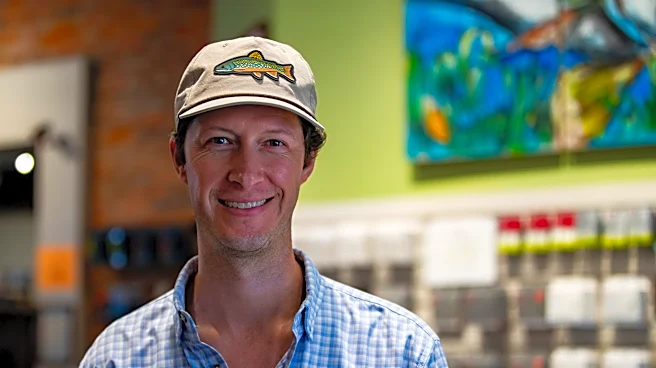
A-B Emblem has operated there since 1963, manufacturing embroidered emblems, patches and insignia for customers including scouting organizations, police departments, the U.S. military and NASA.
CEO Andrew Nagle said the family business employs 110 people in Weaverville and also operates factories in Mexico and China, giving it direct exposure to currency swings, tariffs and international banking rules — topics expected to be addressed when global finance ministers meet at the Omni Grove Park Inn Aug. 29-Sept. 1.
Nagle said changes in the Mexican peso can alter labor costs, while tariffs can determine whether customer orders are produced in China, Mexico or the United States. When tariffs on Chinese goods rose sharply, he said, A-B Emblem shifted some production to Mexico rather than passing the full cost increase to customers.
Helene offered the company a different lesson in economic resilience. A-B Emblem’s hilltop factory escaped flooding and structural damage but lost water, power and internet service. Nagle said company managers sat outside a Publix using its Wi-Fi to run payroll. After receiving permission to reopen, an employee repeatedly hauled water from Nagle’s home to keep factory toilets operating.

The plant was down six business days, but Nagle said A-B Emblem paid workers for the missed time anyway. The company later added Starlink service as an internet backup. Nagle said the same principles apply to international business, where companies and countries need alternatives when infrastructure, trade relationships or financial systems fail.
“I think we need to look at that,” he said. “I hope the G20 leaders look at that and go, ‘Yeah, we're kind of in this world together, it's one Earth. It's one world. Let's be good neighbors to each other.’”
Cory Vaillancourt is the Helene Recovery/Investigations Reporter for the Asheville Citizen Times. Find him on X at @The_CoryV or on Signal, via email at cvaillancourt@citizentimes.com or at 912-508-5640.
This article originally appeared on Asheville Citizen Times: Regional business leaders share expectations ahead of G20 in Asheville