






Two people in North Carolina have died due to West Nile virus, according to the state's Department of Health and Human Services.
An Oct. 9 Facebook post from the agency noted that the two adult deaths were reported in central North Carolina. The post also noted that older adults and individuals with underlying health conditions are at increased risk for severe outcomes and death.
People with certain medical conditions, including cancer, diabetes, hypertension and more, are also at greater risk, with the U.S. Centers for Disease Control and Prevention noting that one in 10 people who develop severe illness caused by West Nile virus die.
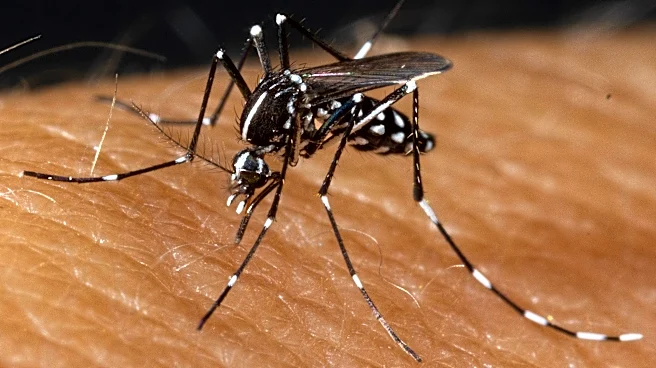
West Nile virus is most commonly transmitted through the bite of an infected mosquito. There are no licensed vaccines
or medicines are available to prevent or treat West Nile virus disease in humans. Here's what else to know in N.C. following the recent deaths.
Is West Nile virus in NC?
Yes. The N.C. DHHS reported the state's first 2026 case of West Nile virus in a news release on Aug. 5. The first case occurred in a resident of Gaston County, and a West Nile virus-positive blood donor was also identified in Mecklenburg County at the time of the news release.
How many West Nile virus cases have there been in North Carolina in 2026?
According to data from the CDC, a total of 11 human cases of West Nile virus have been confirmed this year.
North Carolina West Nile virus deaths reported
In an Oct. 9 post from the N.C. DHHS Facebook page, the agency confirmed that two adults from the central part of the state had died after contracting West Nile virus. The post noted that older adults and individuals with underlying health conditions are at increased risk for severe outcomes and death.
What states have West Nile virus?
According to CDC data updated Oct. 6, 44 states had reported human cases of West Nile virus this year so far, with a total of 1,172 human cases confirmed. The following states have reported 25 or more cases of West Nile virus this year:
- California - 250
- Arizona - 94
- Texas - 72
- New York - 58
- Colorado - 56
- Illinois - 55
- South Dakota - 54
- North Dakota - 49
- Utah - 48
- Nebraska - 45
- Pennsylvania - 27
West Nile virus symptoms
Previous N.C. DHHS news releases on West Nile explained that most people infected with the virus will not experience any symptoms. However, about one in five people infected will develop a fever and other symptoms, and about one in 150 will develop a serious neurologic illness.
The CDC lists symptoms associated with West Nile virus, including headache, body aches, joint pains, vomiting, diarrhea, rash and fatigue and weakness that can last for weeks or months.
Symptoms of severe illness caused by West Nile virus can include high fever, headache, neck stiffness, stupor, disorientation, coma, tremors, convulsions, muscle weakness, vision loss, numbness and paralysis.
How is West Nile virus treated?
No specific medicines are available to treat West Nile. Rest, fluids and over-the-counter medications can relieve some symptoms. In severe cases, patients may need to be hospitalized for supportive treatment.
How to prevent West Nile virus
In the agency's recent Facebook post confirming two North Carolina deaths caused by West Nile virus, the N.C. DHHS urged residents of the state to follow the following safety tips in order to limit the risk of contracting the virus:
- Use DEET or equivalent insect repellent on exposed skin
- Wear long sleeves and long pants while outdoors
- Choose permethrin-treated clothing
- Limit outdoor activity between dusk and dawn
- Use window and door screens to keep mosquitoes out
- Eliminate standing water to reduce mosquito breeding sites
Iris Seaton is the trending news reporter for the Asheville Citizen Times, part of the USA TODAY Network. Reach her at iseaton@citizentimes.com.
This article originally appeared on Asheville Citizen Times: Two people die in North Carolina due to West Nile virus