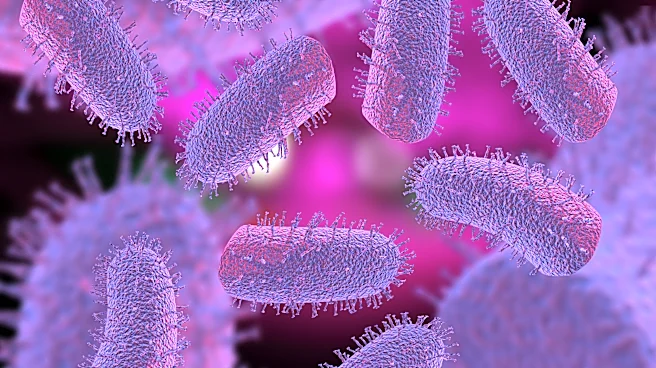









A North Carolina teen has died after contracting Naegleria fowleri, often known as the "brain-eating" amoeba.
The N.C. Department of Health and Human Services confirmed the teen had died Aug. 31, four days after a news release announced the case, as reported by the Citizen Times. The release stated that the patient was "critically ill," and contained information about Naegleria fowleri infections.
"Our hearts go out to this teen’s family, friends and loved ones as they navigate this difficult time," said State Epidemiologist Zack Moore, M.D., in the initial release. "While these infections are very rare, this is an important reminder that this amoeba is present in our state and across the U.S. There are steps people can take to reduce their risk
of infection while swimming during the warmer months."
The U.S. Centers for Disease Control and Prevention notes that infections often occur during long periods of hot weather. Here's what we know about the death, what else to know about the deadly amoebas in NC and more.
North Carolina teen dies of 'brain-eating' amoeba
A news release issued Aug. 27 by the state health department reported that a teen in central N.C. was "critically ill" with Naegleria fowleri. To protect the privacy of the family, the release noted that no further information would be issued. The teen's mother, Monica Mendoza, identified him as Moises Ponce Mendoza in an online fundraiser.
On Aug. 31, four days after the initial announcement, N.C. DHHS confirmed to USA TODAY that Mendoza had died of his infection.
“We extend our condolences to the family, friends and community impacted by this loss,” N.C. DHHS said in a statement to USA TODAY.
Where do brain-eating amoebas live? Are there brain-eating amoebas in North Carolina?
The CDC website states that Naegleria fowleri lives in soil and warm freshwater lakes, rivers, ponds and hot springs around the world. In the U.S., the amoebas are most often found in the southern states. The amoebas have also been found in tap water, poorly maintained swimming pools, splash pads and other recreational venues, though very rarely.
N.C. DHHS is working with the CDC and local health departments to investigate all possible sources of Mendoza's infection.

How do people get brain-eating amoeba infections?
Primary amebic meningoencephalitis or PAM is caused when water containing amoebas goes up the nose, allowing the amoebas to enter the brain. PAM cannot be contracted by drinking water containing Naegleria fowleri, and infected people cannot spread the infection to others.
The CDC website states that infections most often occur after someone goes swimming or diving in a lake, river or other fresh water during summer months. Long periods of hot weather resulting in higher water temperatures and lower water levels increase the risk of infection.
What are the first signs of brain-eating amoeba infection?
Naegleria fowleri earned its "brain-eating amoeba" nickname as it can infect the brain and destroy brain tissue. The CDC website states that the first symptoms of PAM can include:
- Headache
- Fever
- Nausea
- Vomiting
As the infection progresses, symptoms can also include stiff neck, confusion, lack of attention to people and surroundings, loss of balance and hallucinations. PAM progresses rapidly, usually leading to a coma and death after five days. Most patients die within 1-18 days after symptoms begin.
Monica Mendoza stated on a GoFundMe page that her son had become severely ill after developing intense headaches caused by the infection.
Can brain-eating amoeba infections be cured?
Though extremely rare - typically affecting fewer than 10 people a year in the U.S.- brain infections caused by Naegleria fowleri are nearly always fatal. More than 97% of people with PAM have died from the infection. The CDC website states that between 1962 and 2023, there were 164 reported cases of PAM in the U.S., with only four patients surviving the infections.
To minimize the risk of contracting PAM, the CDC suggests:
- Holding your nose or wearing a nose clip if you are jumping or diving into fresh water.
- Keeping your head above water at all times in hot springs.
- Avoiding digging in shallow water, as amoebas are more likely to live there.
- Using distilled or boiled tap water when rinsing your sinuses or cleansing your nasal passages.
Iris Seaton is the trending news reporter for the Asheville Citizen Times, part of the USA TODAY Network. Reach her at iseaton@citizentimes.com.
This article originally appeared on Asheville Citizen Times: North Carolina teen dies after contracting brain-eating amoeba