
While Buncombe County’s voters prepare to decide on approving $40 million in new bonds for affordable housing, county government has tweaked the rules for how it would manage those funds.
At its Oct. 6
meeting, Buncombe’s Board of Commissioners adopted a package of revisions to the county’s Affordable Housing Services Program. The program, overseen by the board and its Affordable Housing Subcommittee, awards money to developers and nonprofits in support of the county’s strategic housing goals.
Last year’s awards totaled over $13.3 million, with more than $9.9 million of those funds coming from bonds approved in 2022. Buncombe also allocates about $2.3 million annually toward the program from its general fund.
As presented to the commissioners by Jonathon Jones, the county’s community development analyst, the changes aim to make Buncombe’s housing awards more effective. For example, the new rules clarify that county funding is meant to be last missing piece of a project’s capital needs, in recognition that “incomplete funding plans represent high-risk projects.”
The most contentious change would require some developers to increase their annual loan repayments to the county once their projects started turning a profit. According to Commissioner Drew Ball, who voted against the new rules, builders of larger developments had expressed concerns about how those payments could burden their finances.
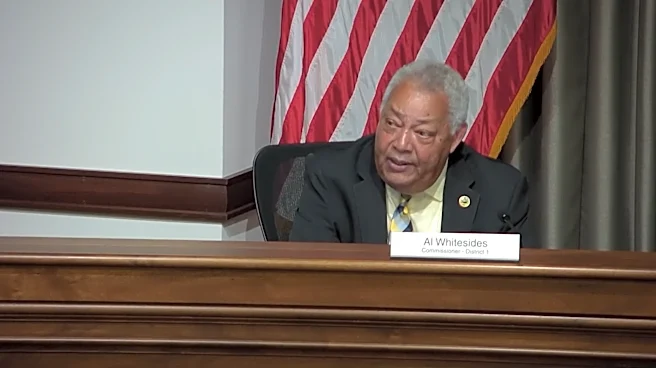
But Commissioner Al Whitesides argued that the change would strengthen the county’s case for being a good steward of taxpayer funds, especially in light of the pending bond referendum.
“When I go out and convince people to vote for the bonds, they’re voting for these bonds so that we use this money to really start to help affordable housing — and to reuse the money, not to tie it up forever,” said Whitesides. “I want to see it be repaid.”

The rules also require county loan agreements to match a developer’s initial plans for project size and pricing. “The new language is intended to make it clear applicants should not propose a certain number of units, receive a funding commitment, and then reduce the number of units or affordability mix later,” county staff wrote in response to questions from the Citizen Times.
Some changes apply to Buncombe’s grants for housing assistance, rather than loans for housing construction. The new rules allow nonprofits to use county money to support mortgages, not just rents, to prevent resident displacement.
Additionally, the changes set a firm cap of 10% for grant administrative costs. According to county staff, “a handful of projects have budgeted 11%-38%,” with the average administrative spend per grant about $9,300 over the last five years. The county is also eliminating the phrase “especially for BIPOC households” from its affordable housing goals, a change staff said was meant to comply with President Donald Trump’s executive orders.
Applications for the county’s housing grant program open Friday, Nov. 6; applications for the affordable housing construction loan program open Wednesday, Dec. 16. The Affordable Housing Subcommittee will make recommendations on which projects to fund in April, and the full Board of Commissioners will approve projects as part of the final county budget in June.
Daniel Walton is the City Government Watchdog Reporter for the Asheville Citizen Times. Email him at dwalton@citizentimes.com, and connect with him on social media through Facebook, Instagram, or Reddit.
This article originally appeared on Asheville Citizen Times: Buncombe County tightens rules for affordable housing support