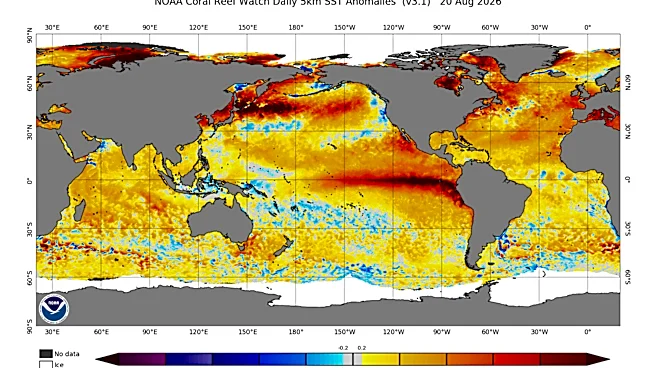






On June 11, the National Oceanic and Atmospheric Administration reported that an El Niño event had begun; though El Niño affects the Pacific Ocean, its impacts can be felt all over the globe.
NOAA explains that El Niño and La Niña are opposing climate patterns that break normal conditions of water and weather in the Pacific Ocean. The patterns have global impacts on weather, wildfires, ecosystems and economies. During El Niño, meaning "Little Boy" in Spanish, trade winds weaken and warm water is pushed back east, toward the west coast of the Americas.
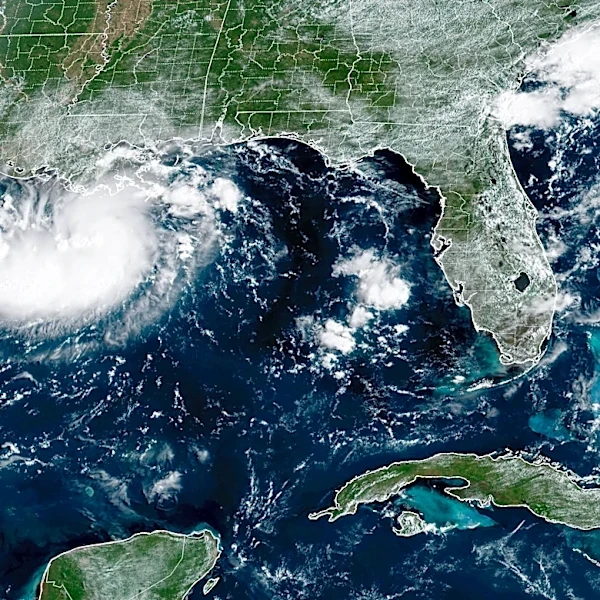
These conditions can affect the weather significantly. Warmer waters cause the Pacific jet stream to move south, causing the northern U.S. and Canada to become drier and warmer than usual. In the Gulf
Coast and Southeast, these periods are wetter than usual and have increased flooding.
Additionally, many climate scientists believe that this year's event could be well above average in strength. Here's what to know, including expected impacts in North Carolina as we move into cooler months.
Is it an El Niño year in 2026? Is there a 'super' El Niño coming in 2026?

Normally, El Niño is categorized by the NOAA as weak, moderate, strong or very strong. The NOAA and weather service announced on June 11 that El Niño had developed in the tropical Pacific, issuing an El Niño advisory. The same report noted that forecasters had predicted a 63% chance of sea surface temperatures exceeding two degrees Celsius (35.6 degrees Fahrenheit). If this threshold is surpassed, the El Niño event would be categorized as "very strong."
In fact, many scientists agree that a historically strong El Niño event may be coming this year, as reported by USA TODAY. Many news outlets have warned that this year's El Niño event could be a "super El Niño." Though the term "super" is not included in the official categorization, the term has grown on some climate scientists.
“Especially if this event meets or exceeds the peak levels seen in previous El Niño years, maybe we will need language to differentiate it,” said Emily Becker, a research professor at the University of Miami's Rosenstiel School, in a recent USA TODAY report.
As such strong events are still unusual, Adam Rainear, an associate professor of communication and media at West Chester University of Pennsylvania, noted, "we don't have a lot of comparisons for this situation."
"We've only had a few really extreme El Niños that we can point to," Rainear said. "Without a tangible way to create your comparison, how do you know if this El Niño is any worse?"
What is causing the strong El Niño event in 2026?
In further reports from USA TODAY, climate scientists noted global warming as a major factor in strengthening El Niño. Julia Cole, professor and chair of the University of Michigan department of earth and environmental sciences, said in a statement that findings showed more intense El Niño events recorded in the last 40 years are "not normal in the context of the last thousand years."
"We believe global warming is supercharging El Niño, and if that's true, then we expect stronger climate extremes that will amplify ecological, infrastructural and human losses," Cole said to USA TODAY. "No country has the resources to be fully protected from these impacts."
What does a strong El Niño mean for North Carolina? How does El Niño affect hurricane season?
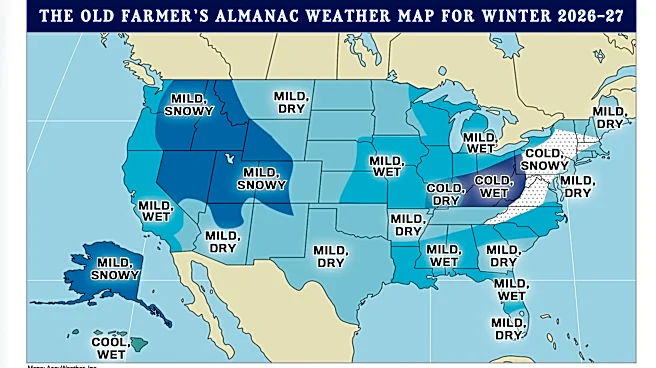
The NOAA notes that, as El Niño affects the Pacific Ocean, related temperature and precipitation impacts in the U.S. generally occur during the cold half of the year, defined as October through March. Wetter-than-average conditions along the Gulf Coast from Texas to Florida have occurred during more than 80% of the El Niño events in the past 100 years during these months.
According to N.C. State University, strongest impacts to the southeastern region of the U.S., including North Carolina, tend to come in December, January 2027 and February 2027, though El Niño can continue to impact regional weather for several months.
Iris Seaton is the trending news reporter for the Asheville Citizen Times, part of the USA TODAY Network. Reach her at iseaton@citizentimes.com.
This article originally appeared on Asheville Citizen Times: Will there be a 'super El Niño' this year? How it could affect NC