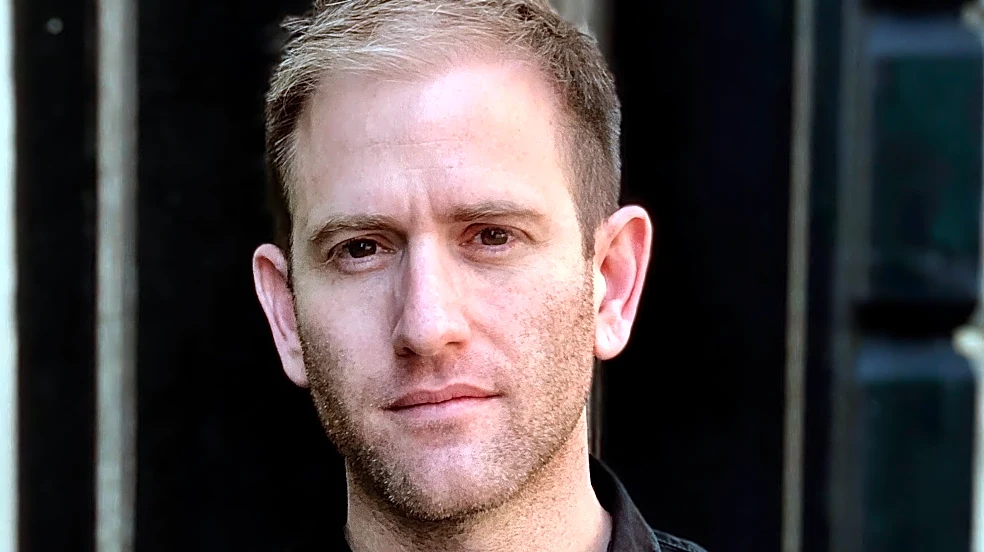








Tropical Storm Helene may have worsened Asheville’s struggles with homelessness and affordable housing, says Brian Goldstone. But the roots of those problems, according to the Pulitzer Prize-winning journalist, were growing well before the storm hit Western North Carolina — and are similar to issues he’s observed in cities all across the country.
Goldstone won this year’s Pulitzer in general nonfiction for There is No Place For Us: Working and Homeless in America, an exploration of how housing insecurity continues to deepen amid the nation’s economic growth. He’s coming to Asheville Thursday, Oct. 22, as the keynote speaker of the 2026 Justice Forum, hosted by nonprofit Pisgah Legal Services at the Thomas Wolfe Auditorium.
A Durham resident who
previously lived in West Asheville, Goldstone believes the region needs to think big, both about the causes of its problems and their potential solutions. Too often, he told the Citizen Times in an exclusive interview before his forum appearance, narratives around homelessness ignore the broader social context.
“The stories that we tell about why people are struggling — the victim blaming, the deflection, the wanting to talk about mental illness and addiction — make homelessness into an individual pathology, a problem of broken people rather than broken policies and broken systems,” said Goldstone. “The first thing that needs to be overcome are the stories we tell ourselves.”
A ‘hidden, invisible world’
At the core of Goldstone’s book, he explained, is the idea that recent economic growth has consolidated wealth for some people by pushing others to the margins. In developing cities like Atlanta, which he featured in a 2019 piece for The New Republic, he said “the precarity of people’s lives in general is being fueled by the ‘revitalization,’ the ‘renaissance,’ of urban space.”
While acknowledging that Helene has caused some bumpiness in the region’s economy, Goldstone argued that WNC’s underlying trends are similar to those elsewhere in the U.S. Wage growth isn’t keeping up with housing costs, particularly for service workers, even as developers continue to build new market-rate or luxury housing. Investors and private equity firms snap up homes to rent.
Tourism-heavy Asheville, Goldstone added, faces the additional issue of homes being used for short-term vacation rentals, further squeezing the housing supply. “There’s a lot of money continuing to be made while the people whose work is making the tourism economy possible are just struggling,” he said.
Goldstone said the way official statistics are compiled can downplay the scale of these issues. Buncombe County’s Point-in-Time Count, for example, only counts people as homeless if they are unsheltered or residing in a shelter or transitional housing. That approach ignores what he called a “hidden, invisible world of homelessness” — people living in tenuous situations like extended-stay hotels, vehicles, or doubled up with other families.

“That is not necessarily specific to the region, but there are cities that have been a lot more deliberate about widening the lens and widening the ways that we talk about homelessness,” Goldstone said.
‘It can be undone’
Goldstone also sees hopeful signs in the region’s homelessness response. He pointed to Buncombe County’s $6 million grant for Right at Home, a program that aims to prevent homelessness through rapid financial aid for people at risk of losing their home. And he praised his host, Pisgah Legal Services, for its efforts to protect tenants from landlords engaged in illegal practices.
The recent movement toward tenant organizing, as exemplified locally by the Asheville Area Tenants Union, was another of Goldstone’s bright spots. The group recently succeeded in getting Asheville City Council to pass “No Rent for Slumlords,” an ordinance that forbids landlords from collecting rent on properties deemed unsafe.
Those who profit off homelessness, said Goldstone, “are very clear about bringing legislation or killing any legislation that would threaten their business model. I think that tenants, and those who want to be in solidarity with tenants, need to be just as organized.”
Yet the author said that lasting solutions require large-scale government action. Cities can contribute through policy efforts like zoning reform; Asheville has recently been moving in that direction through its “missing middle” housing rules. But Goldstone said the millions of new housing units needed to address the country’s affordability issues will need federal backing.
America has made similarly ambitious investments before, he said, referencing the first public housing programs born out of the Great Depression. The nation could do so again.
“Homelessness, housing insecurity — this is not some permanent, inevitable feature of the American cityscape. As much as we have come to accept that it’s this kind of inevitability, it is man-made,” Goldstone said. “And it is really good news that all of this is engineered, because it means it can be undone.”
The Justice Forum at Asheville’s Thomas Wolfe Auditorium featuring Goldstone’s talk begins at 7 p.m. Oct. 22 and is free to attend with registration. A ticketed reception precedes the event at 5:30 p.m. Tickets are $125 and include food and beverages.
Those unable to attend the forum can register to livestream Goldstone’s remarks. Pisgah Legal Services is also organizing regional watch parties in Brevard, Burnsville, Cullowhee, and Hendersonville, all starting at 6:30 p.m. Oct. 22. More information is available online at PisgahLegal.org/2026-JusticeForum.
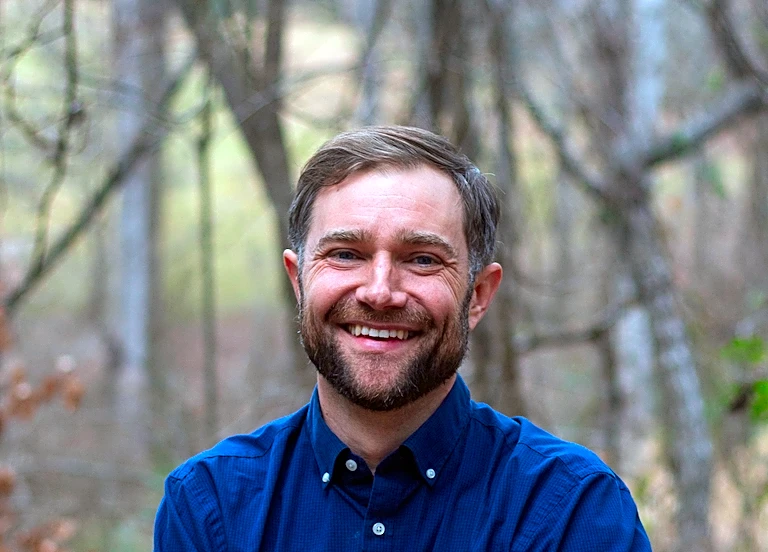
Daniel Walton is the City Government Watchdog Reporter for the Asheville Citizen Times. Email him at dwalton@citizentimes.com, and connect with him on social media through Facebook, Instagram, or Reddit.
This article originally appeared on Asheville Citizen Times: Pulitzer winner Brian Goldstone to speak on WNC homelessness