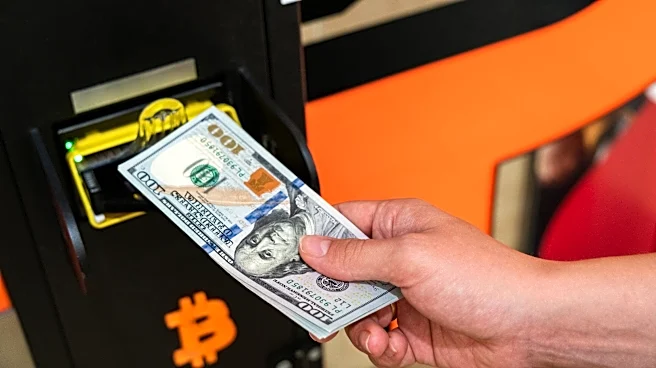










Buzz around new North Carolina laws on cryptocurrency ATMs has resurfaced due to a cautionary tale out of Johnston County in which a woman was scammed out of her life savings.
As reported by financial news website MoneyWise.com on Oct. 25, the Johnston County woman lost a majority of her savings after scammers, claiming they were local police, convinced her to feed thousands of dollars into a virtual currency kiosk.
A consumer alert issued by the N.C. Office of the Commissioner of Banks warned of similar scams, in which an individual is contacted by persons claiming the victim owes fines for a missing court date or jury duty that must be paid in virtual or cryptocurrency.
N.C. House Bill 920, signed into law in July by N.C. Gov. Josh Stein, aims
to limit such scams, creating firmer regulations around such kiosks, including a $2,000 daily limit for new customers and a 48-hour hold on transactions. Here's what to know.
What does NC crypto kiosk refund law do?
Signed July 7, N.C. House Bill 920 created the Virtual Currency Kiosk Consumer Protection Act, which creates firmer regulations around cryptocurrency ATMs (called "virtual currency kiosks") in the state.
In short, the act imposes stronger consumer protection rules on virtual currency kiosks by limiting transactions, requiring fraud warnings and waiting periods, capping fees, mandating refunds for some scam victims and giving regulators and local governments greater oversight.
When does the new North Carolina crypto kiosk refund law take effect?
Most provisions created by the law take effect Jan. 1, 2027.
Why did NC create new crypto kiosk laws?
The new law primarily aims to protect consumers from fraud and scams involving virtual currency kiosks, mandating a fraud-screening process and fraud warnings, refund rights for fraud victims, 48-hour holds on transactions by new customers, caps on fees and charges and more.
NC crypto kiosk scams: What to know
A consumer alert issued by the N.C. Office of the Commissioner of Banks warned residents of scams involving individuals contacting persons by telephone and claiming to be an employee of a government agency, law enforcement or the court system. The scammer then demands that fines for a missing court date or jury duty are due and must be paid in virtual or cryptocurrency.
The notice advises consumers never to use a crypto ATM or kiosk at the direction of a third party, as these requests are often part of a scam. If you're contacted about a supposed debt, fine or legal issue, verify it independently and report suspected fraud to law enforcement.
Iris Seaton is the trending news reporter for the Asheville Citizen Times, part of the USA TODAY Network. Reach her at iseaton@citizentimes.com.
This article originally appeared on Asheville Citizen Times: NC woman loses savings in crypto scam. New law could help-but not until 2027