



Tornado warnings hit several Western North Carolina communities on July 28, as severe storms pushed through the area around 7 p.m.
Storms raged through the western part of North Carolina and the Piedmont on Tuesday, July 28, bringing thunderstorms and wind that brought the threat of a possible tornado to communities. A severe storm warning hit Asheville and surrounding Western N.C. communities as winds and rain ripped through the area before heading further southeast.
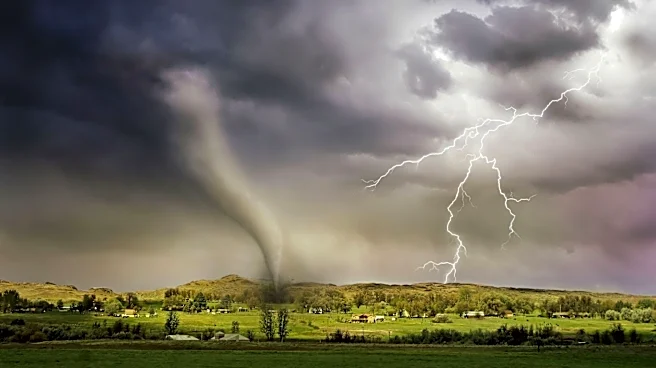
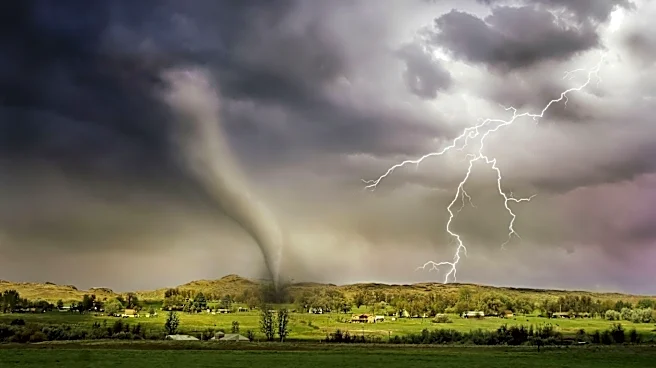
Neither a tornado watch nor a warning was issued for areas near Asheville; the National Weather Service did state that a tornado could occur as severe storms moved through the area early on Tuesday, July 28. As of 7:15 p.m, the weather service posted a photo of a funnel cloud spotted
near the Weaverville and Jupiter area.
Here's what you should know about the difference between a tornado watch and warning, as severe weather continues to affect the area.
What is worse, a tornado watch or tornado warning?
A tornado warning. The warning means the tornado is happening. Read below to learn more about the difference between the two.
What is a tornado watch?
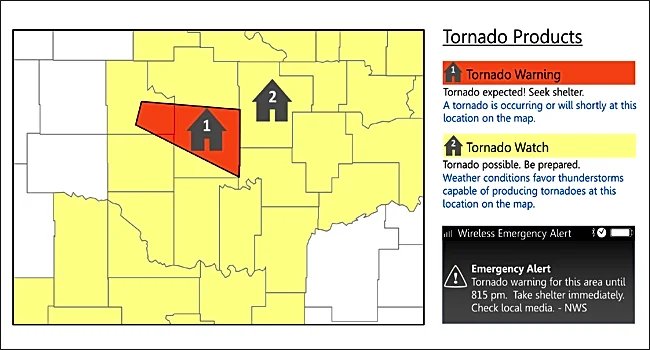
When a tornado watch is in place, tornadoes are possible in and near the watch area, according to the National Weather Service.
The National Weather Service suggests that people in the warning area review and discuss their emergency plans, check their supplies, and have a safe room in case the weather takes a turn for the worse.

What is a tornado warning?
When a tornado warning is issued, it means a tornado has been sighted or indicated by weather radar. There is imminent danger to life and property.
Here are some suggestions from the National Weather Service if a tornado warning is issued for your area:
- Move to an interior room on the lowest floor of a sturdy building
- Avoid windows
- If in a mobile home, a vehicle, or outdoors, move to the closest substantial shelter and protect yourself from flying debris
Warnings typically cover a much smaller area that may be impacted by a tornado, identified by a forecaster on radar, a trained spotter, or law enforcement watching the storm, according to the National Weather Service.
Tornado warnings are issued by your local forecast office.
What is a tornado emergency?
A step above a tornado warning, issued by the National Weather Service in “exceedingly rare” situations, when:
- A severe threat to human life or catastrophic damage is imminent or ongoing.
- Visual or radar evidence, such as a reliable source confirming a tornado, or radar picking up the signature of a ball of debris inside the tornado.
This article originally appeared on Asheville Citizen Times: Funnel cloud seen in Western NC. Difference between tornado watch vs. warning