








On July 2, 2026, I received an email from the Social Security Administration titled “Making Life More Affordable for America’s Seniors.” I thought it was funny to receive an email like this since I’m not a senior yet, but as someone who works with many patients and families who rely on Social Security and disability benefits, I read it carefully.
I expected useful information from the federal agency responsible for helping millions of Americans understand their benefits. Instead, I found a message that mixed legitimate service improvements with political promotion, exaggerated the meaning of a tax deduction and concluded with the campaign-style declaration that “America’s seniors are winning.”
Government agencies owe the public something better.
I am the executive director of a North Carolina nonprofit serving people living with cancer. Many of the people we encounter depend on Social Security retirement or disability benefits while managing serious illness, medical expenses and disruptions to their employment. For them, SSA communications are not ordinary political emails. They are supposed to be reliable explanations from the agency administering benefits essential to their financial security.
The most troubling statement in the email claimed that more than 35 million seniors had received “an average of $7,500 in relief” through a new tax provision.
That language could easily lead someone to believe that the typical qualifying senior saved $7,500 in taxes. That is not what the underlying figures mean.
The IRS explains that the law created an additional deduction of up to $6,000 for an eligible individual age 65 or older, or up to $12,000 for a married couple when both spouses qualify. The deduction begins phasing out when income exceeds specified limits. The $7,500 figure nevertheless refers to the average amount deducted from taxable income—not the amount seniors actually saved in taxes or received as a payment.
A tax deduction is not the same thing as tax savings or a payment. A deduction reduces the amount of income subject to taxation. Its actual value depends upon a person’s taxable income, filing status, eligibility and tax bracket. Calling an average deduction “relief” without explaining that distinction materially exaggerates what many seniors received.
The law also did not change the formula determining how much of a beneficiary’s Social Security income is taxable. Some beneficiaries will continue paying federal income tax on part of their benefits, depending on their benefits and other income.
At the time the email was sent, SSA cited similarly dramatic claims about its operations, including a 30 percent reduction in field-office wait times and a 75 percent reduction in the average time required to answer calls to its National 800 Number. Those percentages were supported by SSA’s June performance report: average telephone answer time had fallen from 34 minutes in 2024 to approximately eight minutes, while average field-office waits had declined from approximately 30 minutes to roughly 21 minutes.
Those are meaningful improvements, and SSA employees deserve credit. SSA subsequently reported that the National 800 Number's average answer time fell further, to 0.6 minutes in July 2026, compared with 34 minutes in fiscal year 2024.
But even accurate percentages require context. A 75 percent reduction sounds amazing, but telling beneficiaries that telephone waits declined from 34 minutes to eight allows them to understand what actually changed! Saying that a disability backlog decreased by a particular percentage is incomplete without acknowledging how many claims remain unresolved and how long applicants still wait.
Government communication should help people understand reality, not merely present the most flattering version of it.
The July email subsequently drew scrutiny from five U.S. senators, who questioned both its accuracy and its political messaging. Their concerns underscore a larger issue: Americans should be able to trust official government communications without having to independently verify their claims.
The deeper concern is the email’s partisan tone. It repeatedly credited President Trump personally, it characterized administration policy as an unquestioned victory and told recipients that “America’s seniors are winning.” Whatever you think of the president or the legislation, that language belongs in a political campaign message, not in an official communication from the agency that administers Social Security.
This distinction matters because our public trust is fragile. Beneficiaries need to believe that SSA information is accurate no matter who controls the White House. When an agency adopts partisan slogans or blurs the difference between a deduction and actual savings, it undermines that trust.
SSA should continue reporting actual improvements. It should also explain policy changes in plain language, provide meaningful context for statistics, and distinguish clearly between deductions, benefits and actual financial savings.
Most importantly, it should communicate as a public institution serving every American—not as an advertising arm for any administration.
Seniors, disabled people and families navigating serious illnesses should NOT have to fact-check their government to understand their benefits. Accuracy, context and political neutrality are not optional niceties. They are essential public services that we deserve.

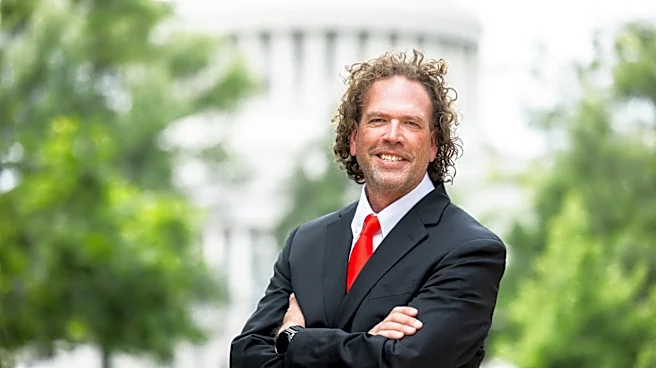
Kenny Capps, JD, MPH, is the founder and executive director of Cancer Active, Inc., a North Carolina nonprofit working to improve quality of life for people living with and after cancer. He lives in Black Mountain.
This article originally appeared on Asheville Citizen Times: Opinion: Social security beneficiaries deserve information, not political advertising