






The Arizona Biltmore resort has a long and storied history in the Valley. I only remember visiting it once, to see a Randy Newman concert.
But long before I watched Newman perform “I Love L.A.,” the Arizona Biltmore had been welcoming guests for nearly a century.
According to the resort's website, the idea for a hotel was conceived by Warren and Charles McArthur, who moved to Arizona from Chicago in 1910. The brothers first ran a tour company from a refurbished Dodge truck they called “The Wonderbus.”
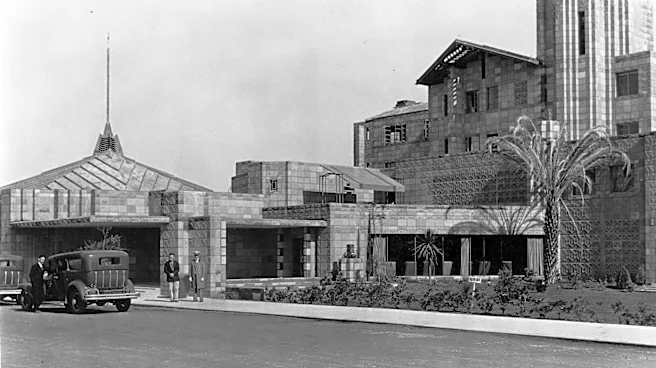
By 1924, the brothers wanted to put Arizona on the map as a tourist destination. Their vision for the Arizona Biltmore was heavily influenced by famed architect Frank Lloyd Wright.
Construction began in 1928. According to the resort, “The Arizona Biltmore
had over 250,000 blocks, 33,000 pounds of copper in the roof and the second largest gold leaf ceiling in the world.”
The hotel opened its doors on Feb. 23, 1929. That day, an article in The Arizona Republican, now The Arizona Republic, ran under the headline, “Phoenix Heralded Around World As Biltmore Opens Today.”
The article went on to describe the hotel this way: “Inside and out, the new Arizona Biltmore Hotel, which opens officially to the public tonight is one of the most beautiful and finely appointed hotels in the country.”
The hotel commemorated the grand opening with three days of celebrations.
On July 13, 1929, The Republican ran another front-page headline: “Wrigley Takes Over Biltmore Hotel Control.” The article announced that William Wrigley Jr., the “world famed sportsman and chewing gum manufacturer,” would take ownership of the hotel.
Despite opening just months before Black Tuesday on Oct. 29, 1929 — the day that marked the start of the Great Depression — the hotel continued to thrive.
By the 1940s, according to an Arizona Republic article, “Celebrities from the East come to escape snow-bound homes. Others prominent in the motion picture and entertainment world come from California to bask under constantly sunny skies in moderate temperatures.”
Celebrity guests included Fred Astaire, Bob Hope, Marilyn Monroe, Bing Crosby and Irving Berlin ― who was rumored to have written the song “White Christmas” while lounging by the pool.
"Even a young John Fitzgerald Kennedy stayed there just after World War II, recovering from wartime injuries," The Republic reported in 2004.
Monroe, who was no stranger to Arizona, also filmed scenes for “Bus Stop,” the 1956 drama that ultimately earned her a Golden Globe nomination, in Phoenix.
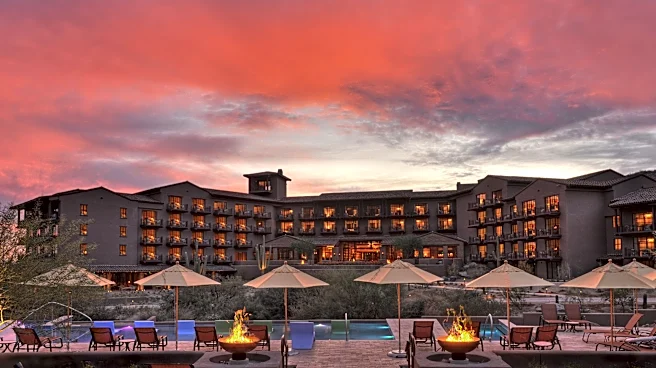
Today, the resort sits on 39 acres just south of the Phoenix Mountain Preserve, with a legacy that stretches far beyond its desert grounds.
Nearly a century after it opened, the Arizona Biltmore remains one of the Valley’s most recognizable landmarks — a place where architecture, celebrity lore and Phoenix history still converge.
Katherine Chircus was born and raised in Scottsdale and is a digital operations manager for The Arizona Republic. Send tips on Arizona history items to kfritcke@azcentral.com.
This article originally appeared on Arizona Republic: How the Arizona Biltmore became a desert icon