



The arrest of a Tempe Union High School District security officer accused of spying on female students is raising questions about Arizona privacy laws and what obligations schools have when surveillance cameras remain active in spaces used as changing rooms.
Arizona schools can legally use security cameras on their campuses, but students are protected under law in areas with a reasonable expectation of privacy.
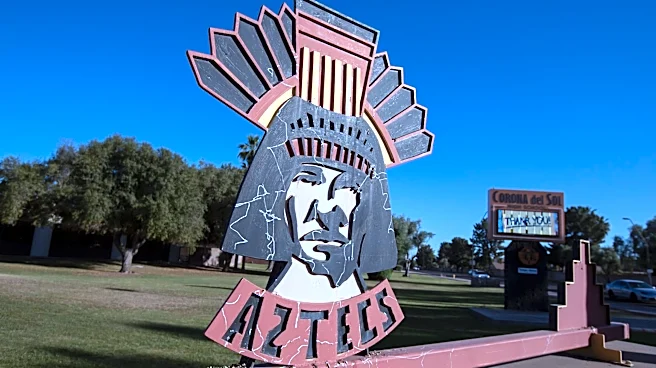
Prosecutors say Antony Cruz, 28, downloaded videos of female students in a changing room at Corona del Sol High School in south Tempe. The district said girls were changing in a dance room while the locker room was undergoing renovations. Police believe cameras in the makeshift changing room were "inadvertently" left on.
Arizona does not
have a law that specifically mandates security cameras in schools, and the Arizona Department of Education does not provide any guidance or policies when it comes to managing security cameras, ADE spokesperson Doug Nick said.
That means districts are left to navigate state and federal law.
Dance room functioned legally as locker room, expert says
Tempe Union's governing board policy delegates decisions about school safety technology to the superintendent rather than specifying where the cameras can be placed and who has access to the footage, district spokesperson Megan Sterling said.
But the district still has to be in compliance with state law and would not pass any policies in violation of state law, Sterling said.
Arizona state statute says it is illegal to film someone without their consent "in a restroom, bathroom, locker room, bedroom or other location where the person has a reasonable expectation of privacy and the person is urinating, defecating, dressing, undressing, nude or involved in sexual intercourse or sexual contact."
Tracy Pearl, a technology and law professor at Arizona State University, said that, if schools were to film in private areas like a bathroom or locker room, they would have to get consent from the people being filmed or their parents.
Even though the girls were not changing in a locker room, the dance room essentially became a de facto locker room, meaning the normal surveillance laws would apply. The district would be responsible for ensuring the girls had privacy if they were directed by district personnel to utilize the dance room as a changing area.
"That's where you do have legal obligations to either make sure that there are not cameras in that space, to post notice that there are cameras in that space and to get consent from anybody who is going to be filmed by those cameras," Pearl said.
Sterling said she could not answer who directed the girls to change in the dance room since the investigation is still ongoing. The district does not have cameras in any designated changing areas, she said.
The district has an obligation to follow laws and regulations related to security cameras. But it also has the right to supervise its employees, Pearl said. Districts would typically have a destruction policy regarding how much content is saved from the cameras and when it's destroyed.
"There's a question as to who has access to that footage. What happens to it? Does it get destroyed after a certain amount of time? And how do we know that that's happening? Is it saved on servers?" Pearl said.
Sterling said that security footage is generally stored for 30 days before it is deleted per internal policies and procedures.
"Best practice whenever somebody has security cameras in a place being frequented by a lot of people — particularly minors — would be having policies in place that are being reviewed, having oversight of who's getting access to the footage and why and what they're doing with it," Pearl said.
What happened at Corona del Sol?
According to the district documents, Cruz had been working as a security guard since 2022, switching jobs to surveillance officer in June 2026. He had no disciplinary record in his personnel file and performed well in his reviews.
Cruz is facing seven counts of voyeurism after the footage was found during a district audit. According to police documents, he did not tell anyone about the cameras being left on and instead watched the footage for weeks in July and downloaded clips ranging from four minutes to two hours.
Tempe police said investigators were working to identify and contact people who may have been affected, and will reach out directly to parents if they determine their child was involved.
Cruz has hearings scheduled for Aug. 28 and Aug. 31.
This article originally appeared on Arizona Republic: Tempe security guard arrest raises questions about school surveillance