

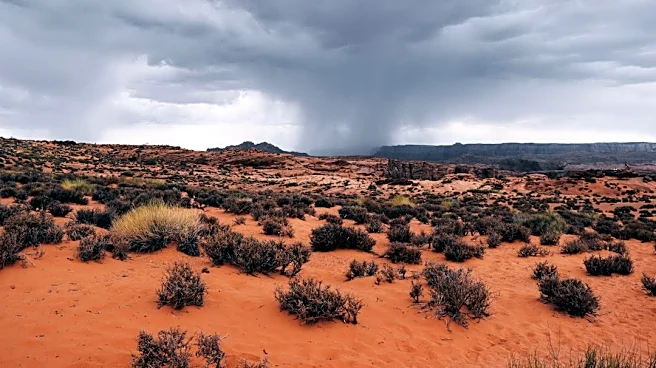
Monsoon 2026 has officially come to a close, and it has been a wild ride all over Arizona. Despite some healthy skepticism, the season performed relatively well across Phoenix and Arizona as a whole.
At Phoenix Sky Harbor International Airport, the recent rainfall from Hurricane Polo pushed the official precipitation totals just over the finish line of average monsoon rainfall. The airport gauge recorded 2.46 inches of rainfall from June 15 to Sept. 30, just barely over the average of 2.43 inches.
However, that does not account for the wide range of values seen across the Valley — totals range from just over an inch to over half an inch:
- Youngtown –1.06 inches
- Surprise – 2.05 inches
- Tempe, ASU – 2.39 inches
- Goodyear – 2.56 inches
- Scottsdale Airport –2.86 inches
- Casa Grande – 3.75 inches
- Apache Junction – 4.2 inches
- Buckeye - 4.29 inches
- Picacho – 6.85 inches
- Carefree – 7.85 inches
Areas with less rainfall are somewhat scattered across metro Phoenix. While many events tended to favor the
East Valley, north Phoenix and the nearby higher elevations, parts of the West Valley held their own — especially locations farther north or west, where they could catch activity that passed the periphery of the city.
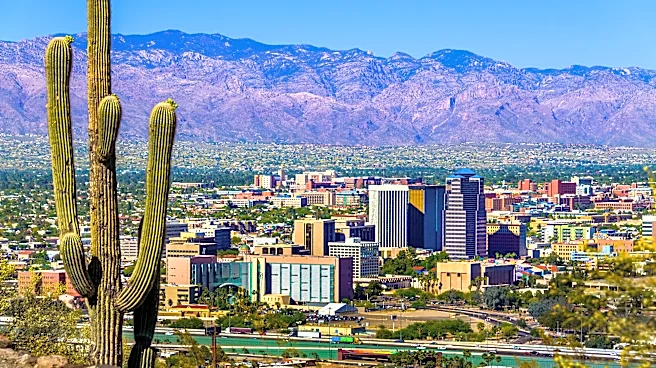
Our neighbors in Tucson share a similar story. The Tucson airport received 5.73 inches of rain, 0.03 of an inch more than the monsoonal average. Southeast Arizona overall received more consistent rainfall throughout the season that kept Tucson on track and higher elevations soaring above average. Areas to the west and east of Tucson, in Pima and Cochise counties, saw rainfall from 8 to 15-plus inches.
A lot of the best rainfall happened along the Mogollon Rim and northern Arizona. The largest city, Flagstaff, received 8.34 inches of rain, nearly three-quarters of an inch higher than average. Some other totals along the Rim and to Phoenix’s north include:
- Prescott – 10.06 inches
- Payson – 10.67 inches
- Globe – 11.28 inches
- Heber – 12.8 inches
- Mount Baldy – 17.3 inches
Most of Arizona high terrain performed quite well, from around the North Rim of the Grand Canyon and down to the Sky Islands.
Much of Arizona saw above average rainfall, especially in north Arizona east of Flagstaff, northwestern Arizona near Nevada, the lower deserts west of Phoenix, most of Pinal County, and far southeast Arizona.
If you want to read more official data on rainfall, dew points and even lightning strikes, head to the National Weather Service's monsoon tracker page. You'll notice that you weren't crazy: The humidity really was that high this year.
It’s been hard to ignore the powerful El Niño as its strength has consistently made headlines, but it definitely played a part in the late monsoon, namely in the movement of moisture from former cyclones Marie and Polo. It’s difficult to specifically quantify how much rainfall it brought, but most of Arizona seeing a near- or above-average monsoon was equally likely given historical data.
Keep your fingers crossed to keep the good streak going — long range forecasts continually show confidence in above average rainfall for Arizona through the fall and into the winter.
Meteorologist Tevian Whitehurst covers extreme weather and climate for The Arizona Republic and azcentral.com. Follow him at @TevianWX on Instagram and Facebook (Meteorologist Tevian Whitehurst).
We want to see your weather photos: Send to weatherpix@arizonarepublic.com, or on Instagram @azcentral or TikTok @azcentral. Attach your photos and tell us all about what's pictured. They may appear in an online story or in the newspaper.
This article originally appeared on Arizona Republic: Arizona's 2026 monsoon has come to a close. So how did it go?