



Earlier this week, I watched a video that stopped me cold. Felix Contreras got emotional while introducing Los Tigres Del Norte, the latest band on NPR's Tiny Desk. Felix is co-creator and co-host of Alt.Latino and my friend.
I met Felix years ago through NPR’s Next Generation Radio. I was an intern at NPR, and Next Gen Radio is an incredible program that recruits and trains a diverse group of young people for careers in broadcast journalism.
It's been a few years since I have visited with Felix, and yet I know him as one of the kindest people you will ever meet. In that video, his voice is shaky. I broke down crying. I could feel some of the weight he was carrying. I was gutted.
While introducing the band, Felix said, "Our community is under attack
and it's not the first time." He pointed to the changing border in 1848 and a post-World War II deportation campaign whose official name included an anti-Mexican slur. "It takes away our humanity," he said. "For as long as I can remember, these gentlemen have been giving us back our humanity."
So many of our community members, our friends and our neighbors carry that weight too.
This feeling, this pure emotion that Felix so courageously shared, is what I feel for our communities. It's the same. We are all connected. This feeling and sense of injustice are what motivate me to work so hard this election. I want to see change.
That video clip and the band's performance have been viewed over 20 million times on NPR's Instagram and the number is growing. It's not hard to see why.
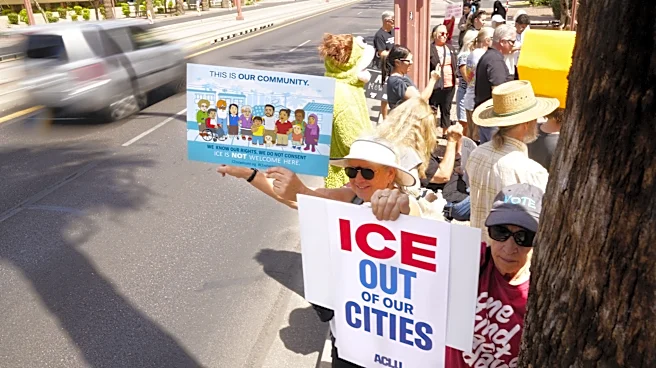
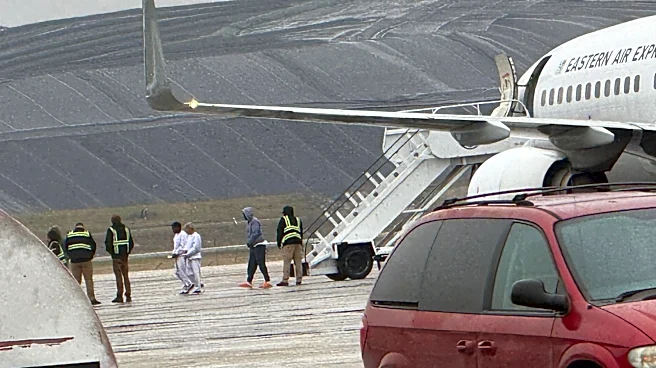
The Arizona Republic and other outlets have documented how immigrants, or even those perceived to be immigrants, are being treated: people taken off the street and children separated from their parents without any kind of humanity. It is horrendous, and we should all be angry. Then we should use that anger and frustration to vote to move our elected leaders.
I work in tribal communities. That doesn't make me disconnected from other Black and Brown communities, or from anyone who is struggling. And this fight has already reached us.
In early 2025, a colleague of mine on the Navajo Nation, an elder and culture keeper named Lucy Ben, called me in a panic. Her grandson, a Navajo citizen, works in construction in Phoenix. He had been caught in an immigration raid at his job site.
Lucy told me her grandson watched six of his coworkers being taken into custody. She said he was held and questioned for hours and told her that he tried to explain that he was Native American and asked to retrieve his identification and paperwork from his car, but officers wouldn’t let him leave where he was standing. He didn’t know what would happen to him, or whether he would be taken away with the others.
That fear should strike anyone as wrong. It is especially infuriating for Indigenous people, the first people of this land, to be treated as if we don't belong here. But you don't have to be Indigenous to see the wrong in human beings being taken while their families have no idea where they are.
He called his mother and grandmother in Chinle right away. They alerted me and other colleagues. We were told to immediately notify tribal authorities, state authorities and our elected officials, and document everything. He was eventually released. But that fear isn't going anywhere.

Since then, stories have circulated about Native people being swept up or detained. Some are true and some are not, and we owe it to one another to check the facts. But it is real that Native people have been stopped, raising serious concerns about racial profiling of people working alongside other people of color in hospitality, food service, construction, and other critical jobs.
Black and Brown people in this country have always faced attacks like this. Over generations, we found ways to protect one another, to stay safe and, at times, to win justice. Now those protections are being thrown out the window. It isn’t fair, and it isn’t right. We must stand together and with each other once again.
I’ll be honest about my anger. In my worst moments, I’ve caught myself wondering what it would feel like if the people cheering this on were the ones rounded up and shipped off to a country they’d never known. The videos out there are showing the impact and aftermath of deportation. They're sent to where they have no family, no language, no connection, nothing, and are made to start over on their own. But I know that isn’t the answer. Answering cruelty with cruelty only creates more of it. We have to work this out together, because no one should be taken from their family this way.
That’s why this is the moment for everyone to speak up. Before Nov. 3, learn where your candidates stand on immigration enforcement and vote. Vote early. Call or write your representatives and ask what they are doing to make sure no one is detained without due process. If you work alongside immigrant coworkers, learn your rights and theirs and help them. Know who to call and help protect our communities.
It’s hard to see these stories. It’s harder when you know the people in them and impossible not to feel something and want to do something.
So thank you, Felix Contreras. Thank you, Lucy Ben, and thank you to her grandson for sharing his story. And to my colleagues and friends in the Latino community: I feel you. My community and I are with you, and I love you.
None of us should be dehumanized or made to feel like we are nothing. We have contributed too much, and we matter too much.
Keep fighting the good fight. Stay safe. Vote for change.
Jaynie Parrish, Navajo Nation, is the founder and director of Arizona Native Vote, a nonprofit helping to boost Native American civic participation.
This article originally appeared on Arizona Republic: Stop dehumanizing our communities. This is everyone’s fight | Opinion