






More and more people have gotten sick from jalapeños and lettuce across the United States, spurring recalls for parasites and bacteria causing diarrhea and stomach-related illnesses.
Since May 1, the Centers for Disease Control and Prevention has received reports of 15,716 laboratory-confirmed cases of cyclosporiasis acquired in the United States due to a large outbreak from iceberg lettuce produced in Mexico.
Since July 21, 431 reported cases of salmonella have been recorded by the CDC due to an outbreak from jalapeños also produced in Mexico.
The CDC has recalled several products containing these two produce, even containing the spread of bacteria in restaurants across the United States.
Here's what to know about both recalls and what contaminated
produce should be avoided.
What jalapeños are recalled?
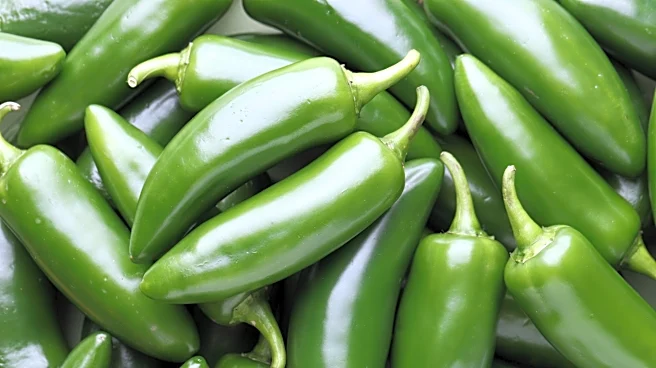
The salmonella outbreak has been linked to jalapeños grown in Sinaloa, Mexico, and distributed by Coast Citrus Distributors. U.S. restaurants, including Chipotle and Qdoba. Salsas and dips including jalapeños have also been pulled from grocery stores across the United States.
Products from Taylor's Fresh Foods, Whole Foods Market and NatureBest were recalled from grocery stores across the country, according to an Aug. 19, 2026, U.S. Food and Drug Administration report, as well as jalapeños distributed by Dairyland Produce LLC, doing business as Hardie’s Fresh Foods.
Although products containing the jalapeños linked to the salmonella outbreak have been found and recalled in several stores across the nation, none were found in Arizona stores. Chipotle and Qdoba have also switched their suppliers away from the contaminated jalapeños, so there were no current risk from these restaurants, according to the FDA.
The U.S. Department of Agriculture’s Food Safety and Inspection Service has also released a public health alert for meat and poultry containing the contaminated jalapeños; however, no Arizona stores have been affected.
Is it safe to eat jalapeños now?
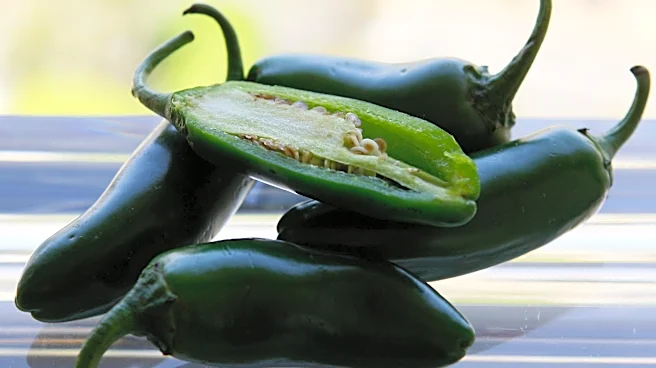
Jalapeños are safe to eat as long as they are not from Sinaloa, Mexico, and distributed by Coast Citrus Distributors, as these specific produce were included in the current investigation.
Products with jalapeños from Taylor's Fresh Foods, Whole Foods Market and NatureBest, as well as jalapeños distributed by Dairyland Produce LLC, doing business as Hardie’s Fresh Foods, are part of the contamination and are recommended by the FDA not to be consumed.
Chipotle and Qdoba also use jalapeños distributed by Coast Citrus Distributors, but have changed products and suppliers. Chipotle has not used jalapeños from Coast Citrus Distributors since July 20, and Qdoba has ceased using the product since July 28. The FDA does not consider this to be an ongoing risk at either of these restaurants.
How do jalapeños get salmonella?
There are multiple ways the jalapeños could have contracted salmonella, including a contaminated water supply, soil, animals or human handlers. Since jalapeños are often eaten fresh, the bacteria is less likely to be killed and is likely to spread.
Is lettuce safe to eat now?
You do not necessarily need to avoid all lettuce. The CDC says the specific Taylor Farms iceberg lettuce recalled on July 17 should not be eaten, but the recalled products had best-by dates that have now passed and should generally no longer be in stores or restaurants. The CDC also says that the lettuce-linked outbreak is only one of several cyclospora clusters occurring across the country.
The Arizona Department of Health Services says people in Arizona do not need to stop eating fruits and vegetables and that most produce in Arizona grocery stores is safe.
Why are people saying not to eat bagged lettuce?
People are particularly concerned about bagged lettuce because many individual leaves are mixed and processed in large facilities. If one contaminated leaf enters a batch, the parasite could potentially spread to other leaves in the same bag.
However, this does not mean that every bag of lettuce is contaminated. The FDA's investigation specifically identified iceberg lettuce from Taylor Farms de Mexico as the source of the current lettuce-linked outbreak and recalled particular products. The FDA also emphasized that the investigation is ongoing. In other words, the concern is about specific recalled or potentially implicated products, not every bag of lettuce sold in the United States.
Which states have the lettuce outbreak?
As of the CDC's Aug. 5 update, the lettuce-linked cyclospora outbreak involves 15 states: Illinois, Indiana, Kentucky, Michigan, Ohio, West Virginia, Kansas, Oklahoma, Pennsylvania, Missouri, Arkansas, Iowa, Nebraska, New Hampshire, and North Carolina. The outbreak had reached over 6,300 reported illnesses, over 200 hospitalizations, and two deaths.
The CDC reported over 10,400 laboratory-confirmed domestically acquired cases in 47 states from May 1 through Aug. 3, plus more than 12,200 additional cases that were not yet laboratory-confirmed or still needed investigation. Those numbers include illnesses that may have come from sources other than the recalled lettuce.
How many cases of cyclosporiasis are there in Arizona?
According to Maricopa County’s website, Maricopa County has reported 45 confirmed cases as of Aug. 20.
This article originally appeared on Arizona Republic: Is it safe to eat jalapeños now? Lettuce? What to know in Arizona