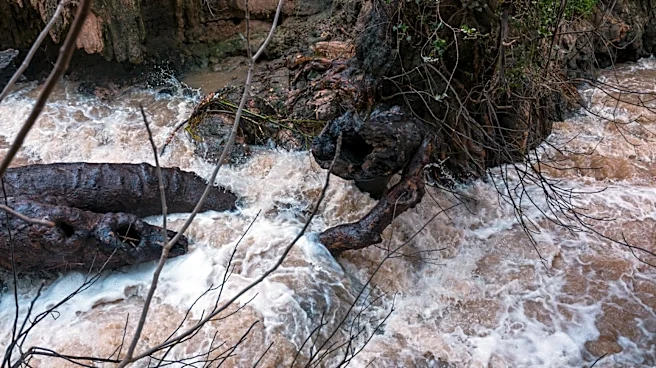



The search continues in the Grand Canyon as one person remains unaccounted for after fatal flash floods hit the park on Aug. 29.
On Aug. 31, the National Park Service announced two bodies were found after the floods.
The names of the victims, who were both men, were not being released by the Park Service at the families' request, said Dave Black, who served as the incident commander during the flooding.
Rangers spent hours working through hundreds of calls, permit records and vehicles left at the North and South rims to determine who had made it safely out of the Canyon.
A Texas-based chiropractor, Dr. John Giusti, was identified as a victim by several news outlets and a GoFundMe created by his brother-in-law.
While one person remains unaccounted
for, officials said the count only covered people through the park's permit system. Because day hikers can enter a Canyon without a permit, it's unknown how many day hikers were still missing.
Officials are asking anyone with information about those who may have been hiking from the North Kaibab Trailhead to Phantom Ranch, Bright Angel Campground and "The Box" area north of Phantom Ranch to call the tip line at 888-653-0009.
A U.S. Border Patrol technical search team arrived on Aug. 31 and was expected to deploy on Sept. 1 while local and state agencies continue to assist with the search. Human remains detection dogs will also be assisting with the search, Black said.
Coconino County Sheriff Bret Axlund said crews also planned to use a drone and technology capable of detecting Bluetooth devices.
How many people were evacuated during the flood?
Black said the flood stranded 82 people in the Canyon. Forty-five were evacuated the day of the flood, and 37 were evacuated the next day.
Thirty people were unaccounted for on Aug. 30, Black said. But rangers searching the Canyon cut that number down to 1 by Aug. 31.
Black said nine investigators — both from the Sheriff's Office and the National Park Service — were assigned to look into tips about anyone who may still be in the Canyon. The line has received hundreds of tips that investigators were still working through, and it hasn't been determined how many day hikers could still be missing, Black said.
Where did the flash flood happen at the Grand Canyon?
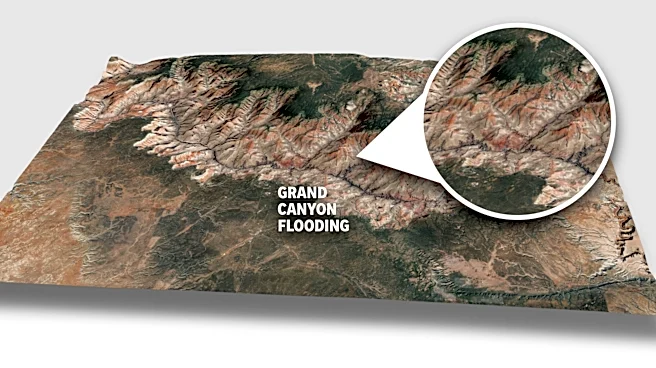
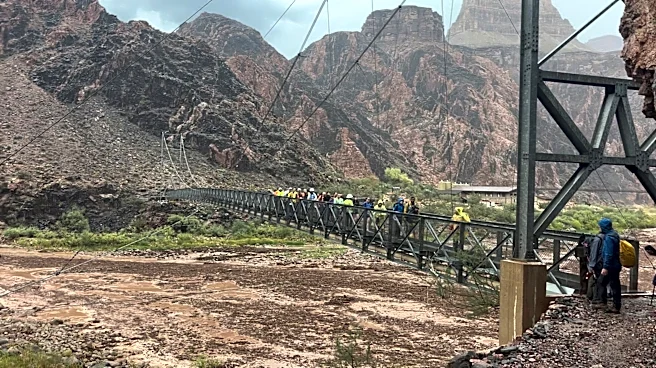
The flash flood happened in Bright Angel Canyon and the Phantom Ranch area at about 2:30 p.m. on Aug. 29, according to park officials.
Deputy Superintendent of Grand Canyon National Park Brian Drapeaux said that rain on the North Rim caused flooding, which then triggered a gauge system in Bright Angel Creek to alert the park of rising water levels. The system went offline as the water picked up speed, at which point the park began evacuations.
Phantom Ranch is an area at the bottom of the Grand Canyon. "The Box" is a narrow section of trail north of Phantom Ranch with tight Canyon walls.
Is the Grand Canyon open?
All overnight guest lodging was halted in the Canyon beginning Aug. 31. Some hotels impacted include Phantom Ranch, El Tovar, Bright Angel Lodge and Yavapai Lodge.
Those who had reservations at the Yavapai Lodge through Sept. 4 were being relocated to The Squire at Grand Canyon on the South Rim, according to a spokesperson for Delaware North, which owns both hotels. Those with reservations after Sept. 3 would be contacted with other options based on availability.
Both the North Rim and South Rim were open, Drapeaux said. Lodging in nearby Tusayan was also still open.
Closures also remained in place around Bright Angel Campground and the North Kaibab Trail.
Stage 4 water restrictions were implemented on the South Rim beginning Aug. 31 as a result of damage to the park's waterlines. Only "dry camping" is permitted, with spigot access turned off at campgrounds on the South Rim. Faucets in the bathrooms remain operational.
Fires are not currently allowed in the South Rim or inner Canyon.
Black said the Colorado River was closed as a result of the flood, which he described as "fairly unprecedented." The river reopened to rafters at around noon on Aug. 30, Black said.
What got damaged during the flood?
Officials noted extensive damage to the park's Transcanyon Waterline. Drapeaux said miles of the pipeline may have been destroyed, although crews were expected to begin inspecting the line from the ground on Sept. 1.
The Transcanyon Waterline is a 12.5-mile pipeline installed in the 1960s that pumps water from Roaring Springs on the North Rim to the South Rim. The waterline has experienced over 85 major breaks since 2010, leading the National Park Service to invest over $208 million in rehabilitating the waterline. The repairs were expected to be completed in 2027 before the flood, and it's unclear exactly how damaged the waterline is.
The South Rim had about two weeks of water in storage at the time of the flood. Officials planned to stage portable water tanks around Grand Canyon Village for firefighting while they assessed the damage.
The flood also wiped out infrastructure like bridges and hiking paths around the inner Canyon.
This article originally appeared on Arizona Republic: 2 dead as search for missing hiker continues at Grand Canyon