









Arizona knows heat. But in recent years, even long-time residents have felt the difference between a hot summer day and the kind of extreme heat that stretches household budgets, tests local infrastructure and makes reliable electricity a matter of public safety.
That is why Arizona utilities are increasingly using flexible technologies like battery energy storage to support rate affordability and to strengthen the electric grid as extreme weather events become more frequent.
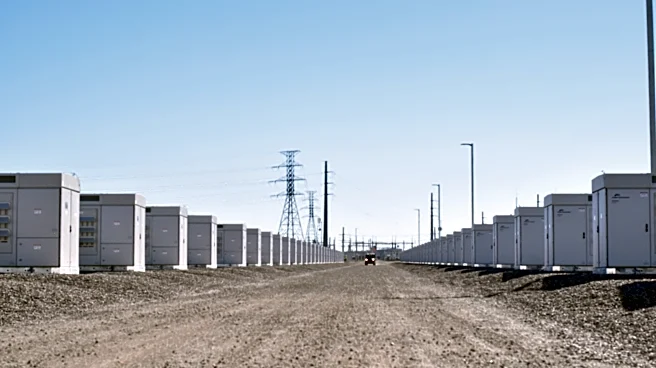
Battery storage helps utilities store lower-cost electricity when it is available and deliver it back to the grid when families, small businesses, hospitals and schools need power most. In Arizona, that often means the early evening hours, when air conditioners are still
running hard and the grid is under the greatest strain. For Arizona residents, the value proposition is straightforward: when demand spikes, electricity can become more expensive and harder to secure. Without enough flexible resources like battery storage, utilities must rely on higher-cost, Western region market purchases or make significantly larger infrastructure investments sooner than otherwise needed.
Grid reliability and affordability are not separate issues. When the grid is stressed, the costs show up somewhere: in emergency purchases when supply is tight and competition spikes prices, infrastructure upgrades, outage risks and ultimately in customer bills. In reality, a more flexible grid is a more affordable grid.
Battery storage is such a dynamic tool because it can begin discharging almost instantaneously. That speed is valuable during sudden grid events, equipment failures, unexpected demand spikes or extreme weather. In Texas, an independent analysis found that battery storage helped save more than $750 million in day-ahead market costs during a January 2024 winter freeze by providing essential grid services and freeing up other generation to meet critical needs. Arizona weather events may differ from Texas, but the lesson is relevant: fast, flexible resources can help keep energy reliable and costs in check during stressful conditions.
Arizona utilities clearly understand this. APS reported a new all-time peak demand record of 9,164 MW on Aug. 2, 2026 in the 6 p.m. to 7 p.m. hour (quite tellingly, on a Sunday, when many Valley businesses are closed); and Salt River Project broke its previous record, hitting a 9,072 MW peak in the 5 p.m. to 6 p.m. hour. Both utilities have made significant commitments to include battery energy storage in their resource plans: APS committed to procuring 3,000 MW through 2027, and SRP selected 4,700 MW of battery storage in its 2023 and 2024 resource solicitations. These are crucial investments in the kind of grid Arizona communities will need as the state grows, as new businesses connect to the system and as summer peaks become more demanding.
For Arizona, the practical case is simple. Battery storage can help keep the lights on during extreme heat. It can help reduce reliance on expensive emergency power. And it can provide utilities with a flexible tool that responds in the moments when the grid needs help most. Arizona’s economy does not have the luxury of standing still. The state is growing, summers are demanding, and families expect reliable and affordable power when temperatures climb. Battery energy storage is a common-sense infrastructure investment that can help Arizona meet that moment.
Victor Flores is a retired APS and SRP executive.
This article originally appeared on Arizona Republic: Battery storage can help keep Arizona power affordable | Opinion