





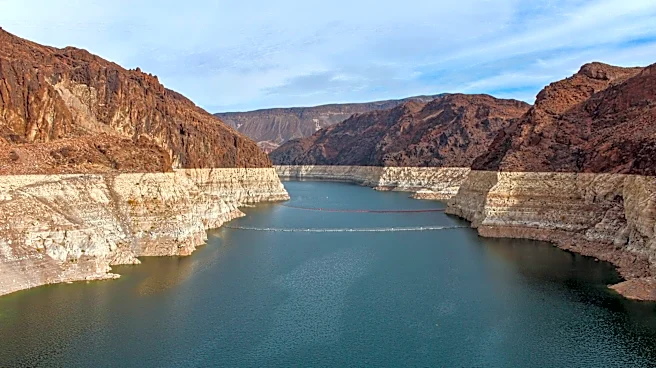
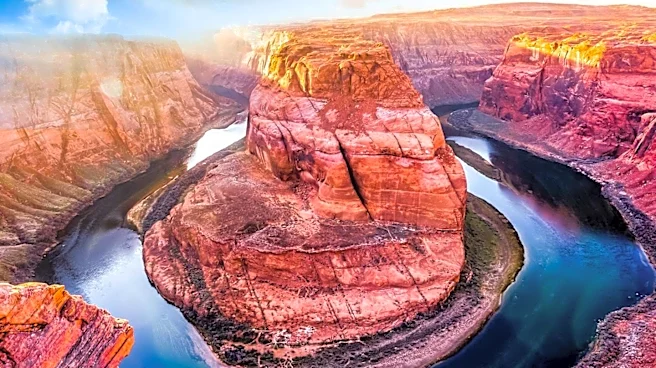
Arizona continues pressing its case against potentially “catastrophic” cuts in its water supply, asserting that the federal government’s developing plan for the Colorado River ignores critical legal requirements to deliver water to the Southwest.
As the U.S. Department of the Interior this week puts the finishing touches on rules that will determine the next two years of supply for Arizona, California and Nevada, Arizona Water Resources Director Tom Buschatzke wrote to warn officials that they're not following the law and could set off a court battle if they doesn’t change course.
In a 10-year framework, the agency says it may reduce deliveries to the three states by up to 3 million acre-feet a year if conditions are poor enough to require it.
Buschatzke wrote to Interior on Aug. 10 to say that such a massive cut ignores the 1922 Colorado River Compact, and that “Arizona reserves the right to seek the resolution of its Compact rights in an appropriate judicial forum.”
The compact promised the three states comprising the river’s Lower Basin 7.5 million acre-feet a year, a figure that those states have offered to dip below, but by a lesser amount than what the government may authorize — and only if the four Upper Basin states also commit to mandatory cuts.
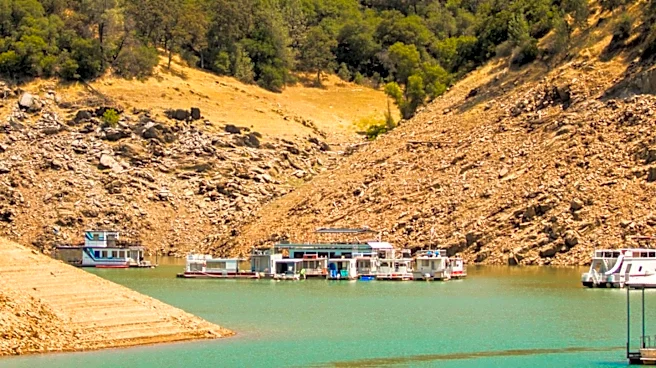
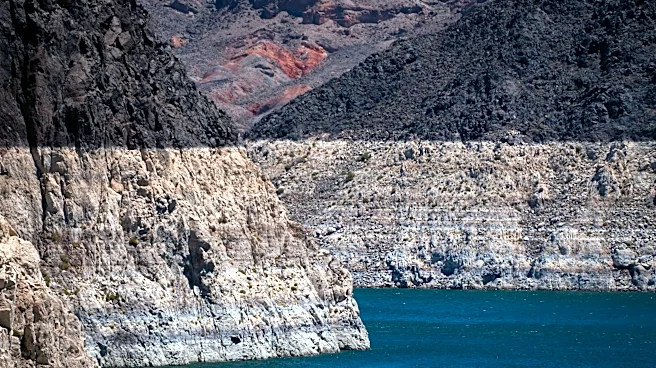
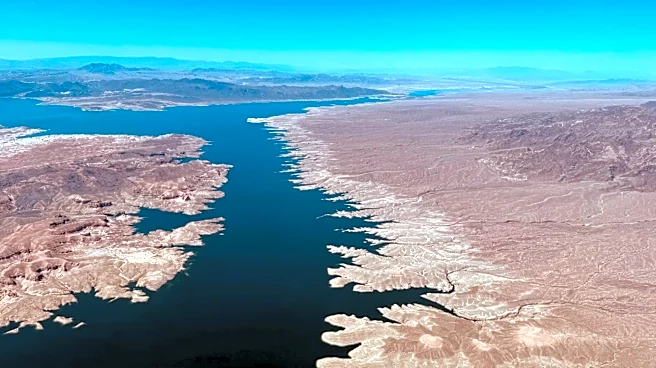
So far those states haven’t agreed, and they have argued that they can’t be blamed for violating the compact when it’s climate change and the Lower Basin’s overuse that drained water from Lake Powell and Lake Mead. The lack of a basin-wide agreement led the Interior Department to devise its own plan.
How much will the feds reduce water supplies?
Getting the Lower Basin 7.5 million acre-feet traditionally has required releasing more than 8 million acre-feet from Lake Powell, so there’s enough extra to satisfy Mexico’s needs. The new federal plan envisions releases of as little as 5 million acre-feet in bad years, or as much as 12 million in exceptionally wet years. The government’s new plan says it may use Upper Basin reservoirs to aid in deliveries to Lake Powell, but does not specify how much.
“Arizona expressly reserves its rights to demand that the party States and the federal government adhere to the Colorado River Compact and the Law of the River, in terms of both the party States’ water usage and the federal government’s operation of federal facilities upstream of Lees Ferry,” Buschatzke wrote in his letter to Andrea Travnicek, the assistant Interior secretary overseeing the development of the new rules to govern the river.
“Arizona recognizes that the Department has broad authority to establish operational guidelines for Colorado River infrastructure,” he wrote. “But that authority does not displace the legal obligations imposed by the Compact.”
Interior Department officials did not immediately respond to a request for comment.
As of Aug. 12, it remained unclear how much of a supply cut the states would face for the first two years under the new system, 2027 and 2028. Arizona and its Lower Basin partners had proposed cutting back by 1.25 million acre-feet a year during that period and incentivizing users to save still more. Interior is expected to announce a two-year operations plan this month and then update it to match current conditions every two years.
The three states only offered those cuts for a two-year period to enable continued negotiations for a longer-term deal between all seven states, Buschatzke said, one that would satisfy the compact’s requirements. They had not intended to make a running offer to last the length of the federal plan’s 10-year framework.
“Arizona does not agree to a preferred alternative framework of longer than two years,” he wrote.
Arizona says plan could inflict 'catastrophic' harm
A deputy assistant secretary called in to a Glen Canyon Dam environmental advisory committee meeting in Flagstaff to speak on behalf of Travnicek, whom he said remained busy in talks over the two-year guidelines.
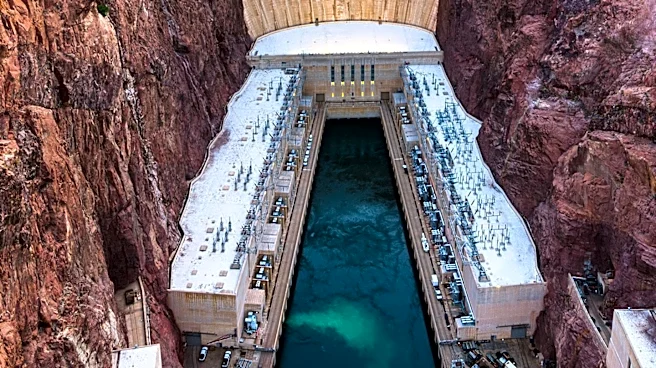
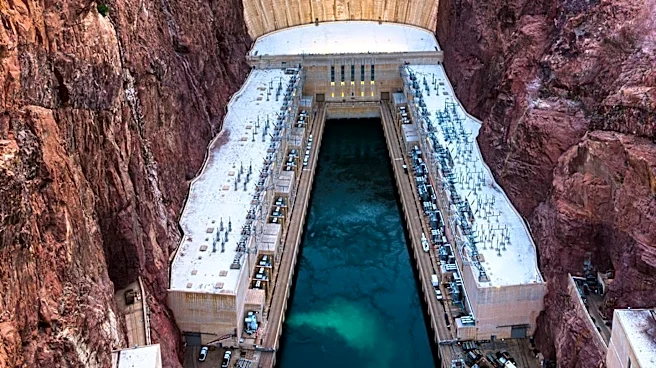
Those rules will “respond to hydrologic conditions and provide flexible tools to protect critical infrastructure at Glen Canyon Dam (and) Hoover Dam, while incorporating the voluntary arrangements submitted from the Lower Basin states and feedback from the Upper Division states, tribes, and stakeholders,” Deputy Assistant Secretary Dustin Sherer said. “Together, they provide for reliable operations of the Colorado River system, delivery of vital water supplies, while preserving the flexibility necessary to respond to basin states' voluntary actions, consensus directives, and the continued prolonged drought.”
While Interior has not said it will immediately impose 3 million acre-feet of cuts — only that it could do so if conditions require it over the next decade — Buschatzke wrote that such a slashing of the Lower Basin’s share of the river is out of line when Interior is only seeking voluntary reductions from the upstream states, and only up to 200,000 acre-feet.
“Reductions of the magnitude under consideration by the Department far exceed what the Lower Division States have offered and, if ever implemented, would inflict catastrophic harm on Arizona’s citizens without any corresponding mandatory contribution from the Upper Division States,” Buschatzke wrote. “… Shortages may not be imposed on the Lower Basin to absorb a deficiency that exists because the Upper Division States have not met their delivery obligations or that releases from the (Upper Basin reservoirs) could remedy.”
Interior has said it will issue its two-year guidelines in August, in time to direct dam releases when the new water year begins on Oct. 1. States and tribes initially expected the announcement at the start of the month, but on Aug. 12 the wait and the behind-the-scenes discussions continued.
Brandon Loomis covers environmental and climate issues for The Arizona Republic and azcentral.com. Reach him at brandon.loomis@arizonarepublic.com.
Environmental coverage on azcentral.com and in The Arizona Republic is supported by a grant from the Nina Mason Pulliam Charitable Trust.
Follow The Republic environmental reporting team at environment.azcentral.com and @azcenvironment on Facebook and Instagram.
This article originally appeared on Arizona Republic: Arizona warns feds of 'catastrophic' harm from Colorado River plan