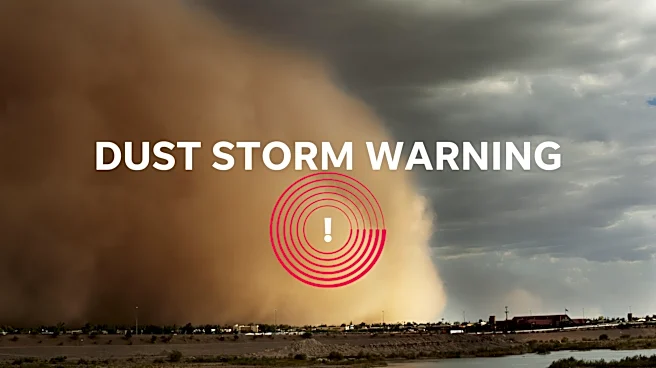



A dust storm warning was issued by the National Weather Service in Tucson at 5:40 p.m. on Sunday, Aug. 23. This warning applies to Pima.
The National Weather Service warns: "Motorists should not drive into a dust storm. PULL ASIDE STAY ALIVE!"
For the latest watches and warnings, see our weather page.
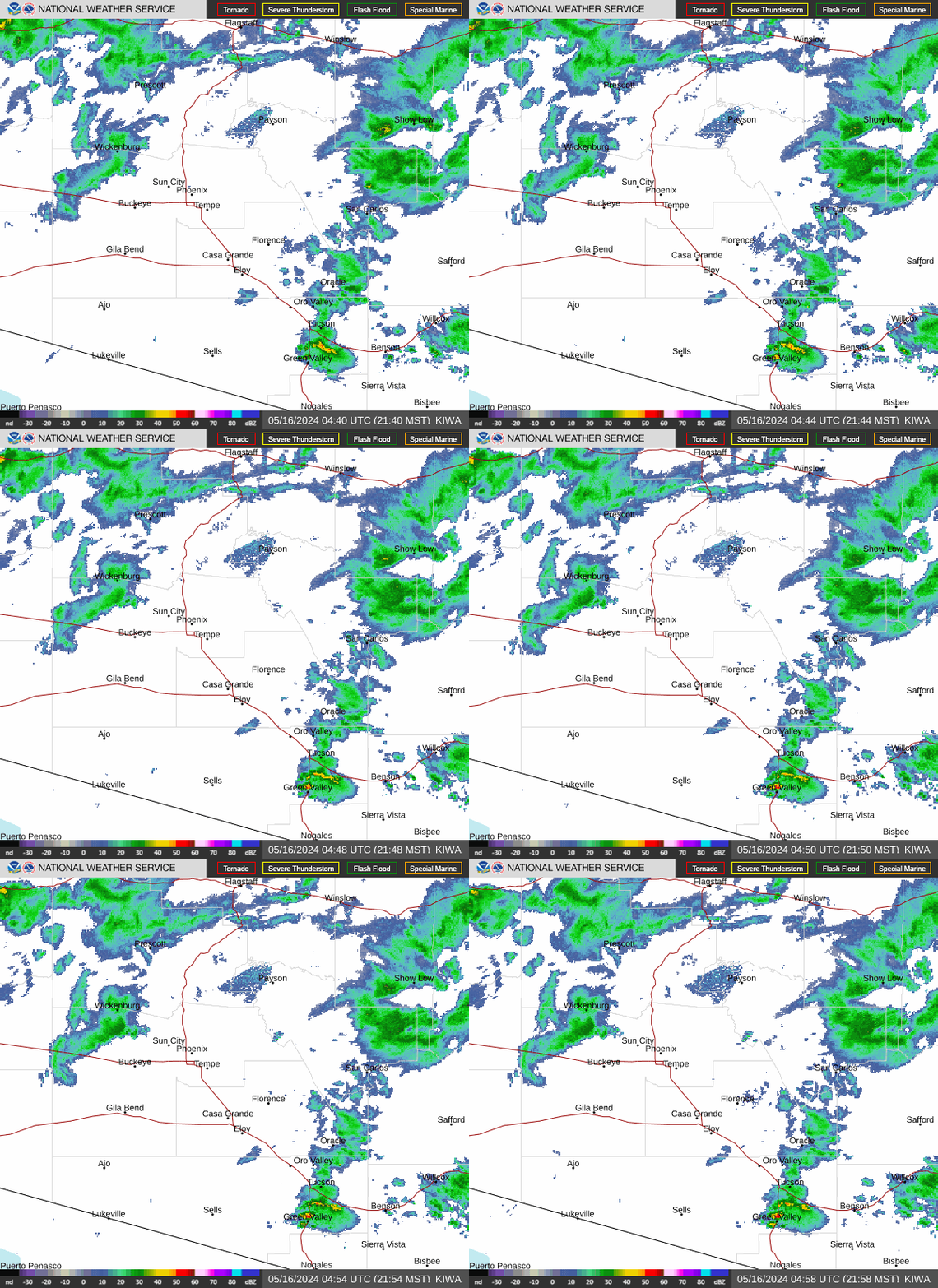
See weather radar for Pima County
What are weather service meteorologists saying?
At 5:40 p.m., the weather service issued a statement:
"The National Weather Service in Tucson has issued a Dust Storm Warning for Central Pima County in southeastern Arizona, until 6:45 p.m. MST. At 5:40 p.m. MST, a wall of blowing dust was located along a line from 13 miles north of Arivaca to near Three Points, moving west at 10 mph.
HAZARD: Less than a quarter mile visibility with strong winds in excess of 50 mph.
SOURCE: Detected by National Weather
Service meteorologists.
IMPACT: Dangerous, life-threatening travel. Locations impacted include: Sells, Three Points, Topawa, San Isidro, Kitt Peak, Ali Chukson, South Komelik, Fresnal, San Pedro, Choulic, Queens Well, Coldfields, South Comobabi, Comobabi, Santa Rosa Ranch, Fresnal Canyon, Artesia, Pan Tak and Ali Molina. This includes the following highways: Route 86 between mile markers 113 and 159. Route 286 between mile markers 12 and 45.
Why is a dust storm called a haboob?
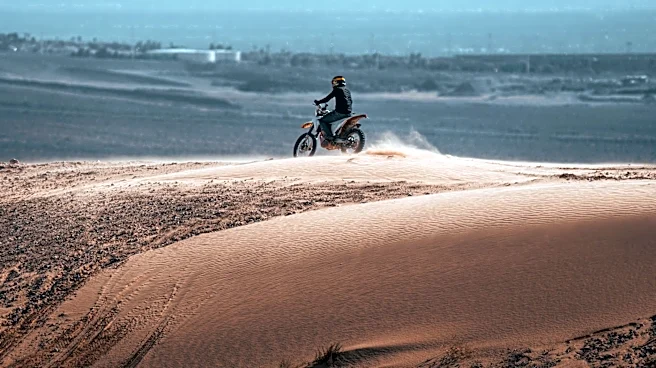
A "haboob" typically occurs in Arizona during the monsoon. From June to September, large dust storms can occur across the state as high winds pick up loose dust.
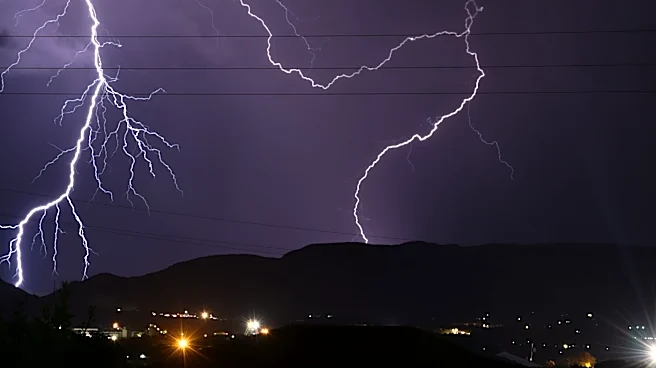
They form when cold downdrafts from thunderstorms slam into the hot desert floor, spreading out in all directions. This rush of air can stir up large amounts of dust, lifting it into the air and pushing it forward as a wall that can stretch for miles and reach thousands of feet tall.
"Haboob" is an Arabic word that translates to "big, blasting winds," according to Andrew Deemer, a meteorologist from the National Weather Service in Phoenix and former linguist.
- Terminology: When did we start using haboob to describe dust storms in Arizona?
How long does a haboob usually last?
Haboobs are usually short-lived but can be powerful. They typically last a few minutes up to an hour, depending on conditions like wind speed and available dust. Stronger downdraft winds and loose, dry soil can impact how much dust is lifted into the air.
While a wall of dust can pass through in a few minutes, lingering dust and reduced visibility can persist for an hour or more, especially if multiple storm outflows combine.
What should I do in a dust storm if I am driving?
The Arizona Department of Transportation's "Pull Aside, Stay Alive" campaign aims to protect drivers caught traveling during a dust storm.
If you encounter a dust storm, immediately check traffic around your vehicle and begin slowing down. Do not wait until poor visibility makes it difficult to safely pull off the roadway. Completely exit the highway if you can.
Do not stop in a travel lane or in the emergency lane. Look for a safe place to pull completely off the roadway. Turn off all vehicle lights, as other drivers could use your lights as a guide and possibly crash into your parked vehicle.
Set your emergency brake and take your foot off the brake. Stay in the vehicle with your seat belt buckled and wait for the storm to pass.
Drivers of high-profile vehicles should be especially aware of changing weather conditions and travel at reduced speeds.
More information on dust storm safety can be found at PullAsideStayAlive.org And safety tips for driving in rainstorms can be found at azdot.gov/monsoon.
This weather report was generated automatically using information from the National Weather Service and a story written and reviewed by an editor.
See the latest weather alerts and forecasts here.
This article originally appeared on Arizona Republic: Dust storm warning issued for Pima County