



Leer en español
As September arrives, Mexicans both at home and abroad prepare to celebrate one of the nation's most cherished traditions: "El Grito de Independencia", the historic call that sparked Mexico's fight for independence more than 200 years ago.
Each year on the evening of Sept. 15, the symbolic cry echoes from the balcony of the National Palace in Mexico City and is reenacted at Mexican consulates and embassies around the world, bringing communities together in a shared expression of national pride.
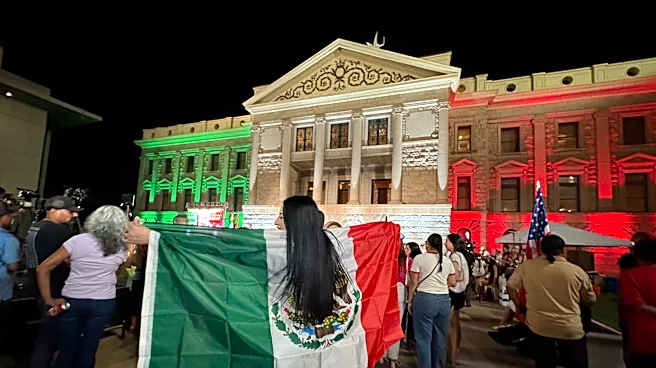
In Arizona, where more than 2 million residents identify as Mexican or Mexican American, accounting for over a quarter of the state's population, Independence Day celebrations continue to grow in prominence. This year, communities across
the Valley hosted their own versions of the historic ceremony, including a large-scale event at the Arizona state Capitol led by Jorge Mendoza Yescas, Mexico's consul general in Phoenix.
While many outside Mexico associate Mexican celebrations with Cinco de Mayo, September is actually the country's most patriotic month. Two dates in particular hold special significance: Sept. 15, when the famous "Grito" is delivered, and Sept. 16, Mexico's official Independence Day.
So, when is Mexico's independence celebrated, and why are these dates so important? Here's everything you need to know.
When is Mexican Independence Day?

In Mexico, Sept. 15 and 16 are dates that go hand in hand when commemorating the fight for independence.
On the night of Sept. 15, the traditional "Grito de Independencia," which translates to Independence Battle Cry, takes place in a ceremony officiated by leaders nationwide. This cry honors the "Grito de Dolores", the Cry of Dolores, that the Catholic priest Miguel Hidalgo gave in the early morning of Sep. 16, 1810, when he called on all Mexicans to take up arms against the Spanish army and gain their independence.
Sept. 16, however, is officially considered Mexico's Independence Day.
What is the origin of the Mexican 'grito'?
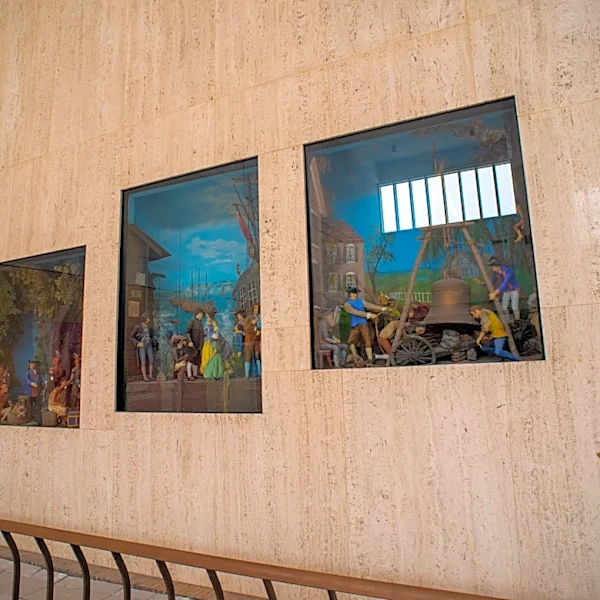
The ringing of the bells of the church of the town of Dolores Hidalgo and the infamous "Grito de Independencia" marked the beginning of the independence movement against the Viceroyalty of Spain.
Miguel Hidalgo gathered the people of Dolores Hidalgo by ringing the bells of the central church in the early morning of Sept. 16, 1810. The mass turned into a speech by the parish priest in which he proclaimed the independence of his people, calling for a fight and giving "El Grito de Independencia" — "Long live America! And death to the bad government!" — while holding the banner of the Virgin of Guadalupe, known as the Patron Saint of Mexico and considered a mother to all Mexicans.
Have story tips on Latino communities in the Valley? Reach La Voz reporter Nadia Cantú at nadia.cantu@lavozarizona.com or X @Nadia_Cantu.
This article originally appeared on Arizona Republic: Why do Mexicans celebrate independence twice? What to know about Sept. 15 and 16