






At least five fraternities remain under investigation at the University of Arizona as officials have paused activities for all fraternities at the school.
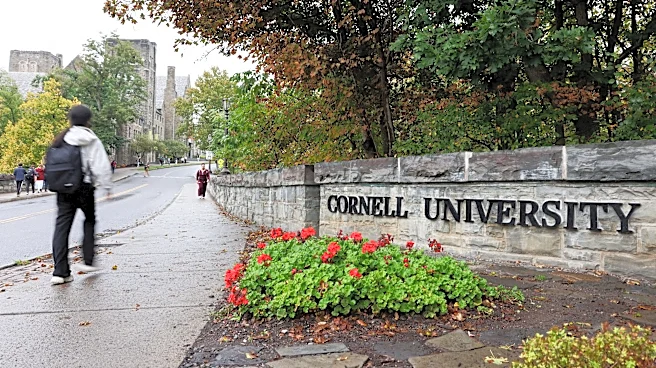
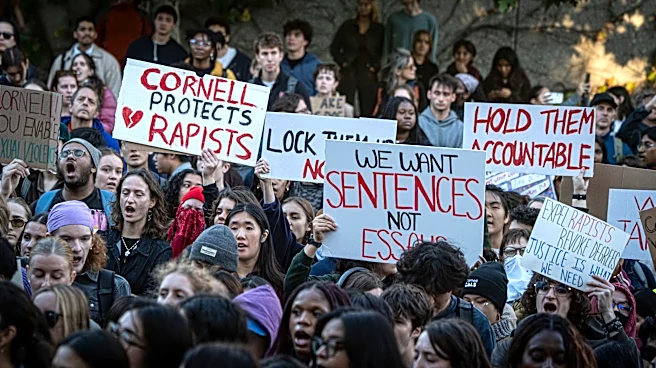
The investigations are playing out as a national reckoning over the safety and value of Greek life plays out, spurred by an alleged sexual assault at a Cornell University fraternity in 2024. UA officials pledged to fully investigate recent complaints against multiple fraternities, noting it would take time to work through a backlog of reports.
UA placed four fraternities on suspension in a matter of days at the end of September and the beginning of October. In total, five fraternities have been barred from hosting or sponsoring events since the start of the fall semester. Only organization business
meetings are allowed during the suspension.
The university also placed all fraternities on an interim activities suspension. The Dean of Students Office is at capacity for the number of cases it can simultaneously investigate, according to Chrissy Lieberman, the UA dean of students. Fraternities that were in good standing beforehand will have the suspension lifted once its adviser attends a meeting with Lieberman.
"The number of cases under investigation and the severity of the concerns is egregious," Lieberman wrote in an Oct. 5 letter to the Greek life community.
Sept. 2: Sigma Tau Gamma placed on suspension over hazing allegations
The Dean of Students Office placed the Sigma Tau Gamma fraternity on an activities suspension weeks into the fall semester. The notice came before the official rush season, when potential new members seek to join Greek life groups on campus.
According to the office's notification letter, the school received a report alleging that new members of the fraternity were forced to eat live goldfish and drink large quantities of alcohol in fall 2025. The complaint further alleges they faced screaming, degradation and threats as part of hazing.
Sept. 30: Two more fraternities suspended over alleged misconduct
At the end of September, two more fraternities were placed on an activities suspension over reports about their behavior during or after fraternity recruitment.
The Zeta Psi fraternity is accused of allowing multiple members to drink alcohol and use drugs during dry recruitment events. Another fraternity, Zeta Beta Tau, received a letter that same day, alleging the group hosted an "unruly gathering," to which the Tucson Police Department and the University of Arizona Police Department responded. The complaint claims the gathering caused significant traffic, putting UA students and the local community at risk.
Oct. 2: Fourth fraternity investigated over reported assault
UA received a report that on or about Oct. 1, a member of the Delta Kappa Epsilon assaulted another member, resulting in hospitalization. The complaint claims that no fraternity members contacted police or emergency medical services.
Delta Kappa Epsilon remains on an activities suspension as the investigation continues.
Oct. 5: UA receives report of another assault at fraternity
UA received a series of complaints about the Delta Chi fraternity in September, ranging from unregistered events with alcohol to an alleged assault on a UA student.
On or around Sept. 16, Delta Chi was accused of hosting an unregistered social event with alcohol. It was later reported to the University of Arizona Police Department and dean of students that a fraternity member assaulted another UA student, according to an October notification letter to the fraternity.
On Sept. 20, university police responded to a potential drug overdose at the fraternity involving a Delta Chi member. A few days later, police responded to the fraternity again, this time for a possible noise complaint. Police said the fraternity was hosting another unregistered event with alcohol present.
The complaint also alleged new members were being hazed using tactics involving alcohol, calisthenics, degradation and yelling. Delta Chi has been placed on an activities suspension pending an ongoing investigation.
Each of the claims against the fraternities will be investigated by the university. If the complaints are found to be true, the university can take action by placing a fraternity on probation or, in more severe cases, revoking official university recognition and barring it from using any UA resources.
Helen Rummel covers state politics and higher education for The Arizona Republic. Reach her at hrummel@azcentral.com. Follow her on X, formerly Twitter: @helenrummel.
This article originally appeared on Arizona Republic: A timeline of the misconduct allegations facing UA fraternities