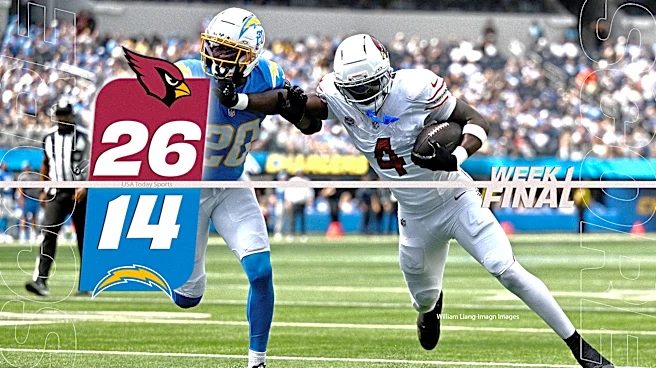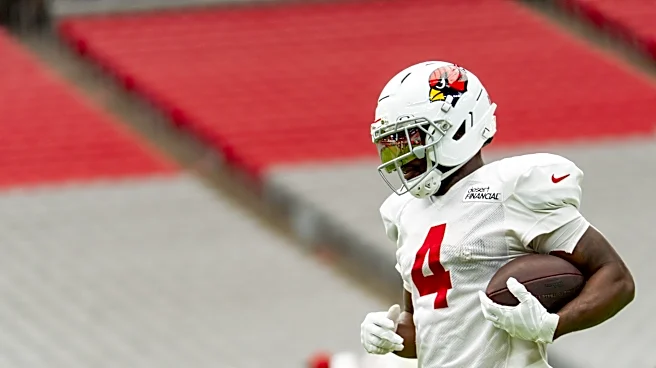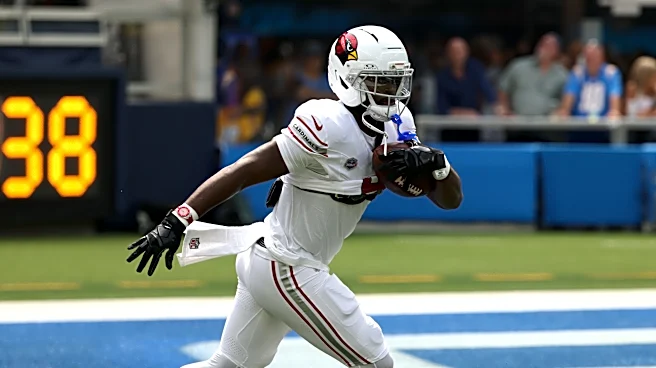

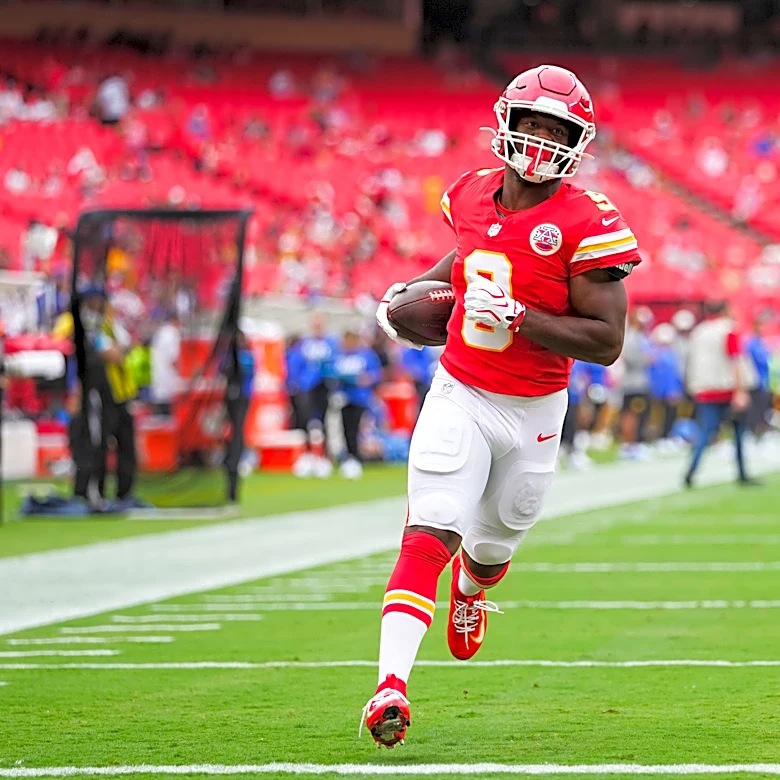
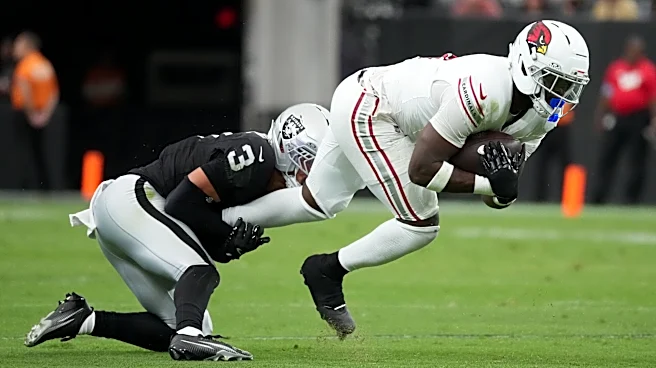

In the first game of his NFL career, Jeremiyah Love showed all the ability that made him the No. 3 overall pick.
Of his 41 rush yards, 38 were after forcing a missed tackle — of which he had six on 11 carries. All told, he gained 10 yards over expectation, based on Next Gen Stats’ player tracking data. Among 44 qualified rushers in Week 1, only nine gained more yards over expectation per carry.
But for all that Love showcased, his snap share was still eye-opening — especially for fantasy football owners who invested an early-round pick in the rookie.
Love played just 43% of snaps, compared to 59% for Tyler Allgeier (and 4% for Bam Knight). And Allgeier led the way in carries, 17 to 11. The split even favored Allgeier in the red zone, where the veteran
saw seven snaps to Love’s six.
The lone area in which Love had an advantage was in the receiving game, but even there, the difference was minimal. Love earned four targets to Allgeier’s two, but both players ran 15 routes and finished with two catches.
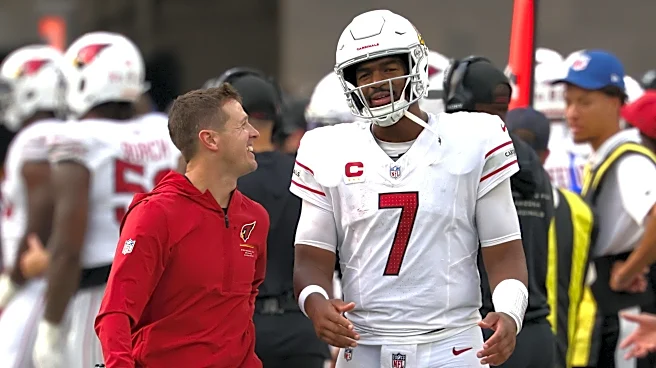
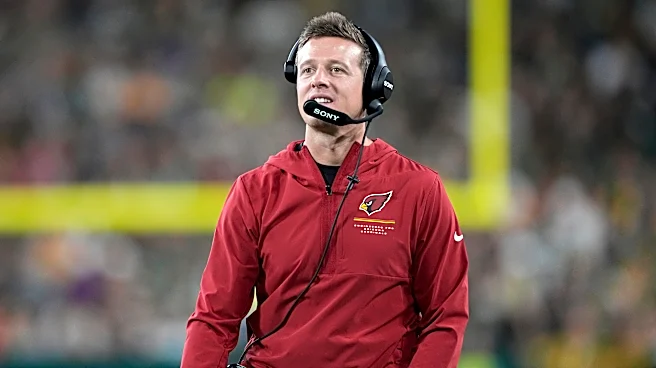
On Monday, Sept. 14, head coach Mike LaFleur was asked whether the running back split was due to the high ankle sprain Love suffered four weeks ago, in preseason.
“It was more how the game went,” LaFleur said. “We didn't necessarily have a pitch count, per se.”
After all, both running backs were useful, with Allgeier gaining 61 yards on 17 carries. And — perhaps more importantly — their skill sets complement each other.
While 29.4% of Allgeier’s carries came against stacked boxes, per Next Gen Stats, none of Love’s did. That makes sense, given Allgeier is the more physically imposing back, while Love is more elusive in space. It stands to reason, then, that the Cardinals would continue to split up their backfield moving forward.
That said, LaFleur did acknowledge that Love’s injury may have played some role in his lighter workload.
“Just like any of our guys that haven't practiced in three, four weeks, we were naturally kind of monitoring that,” LaFleur said. “… I thought that was a fair amount (of snaps), given that he hasn't really practiced in three or four weeks.”
LaFleur explains Marvin Harrison Jr. role
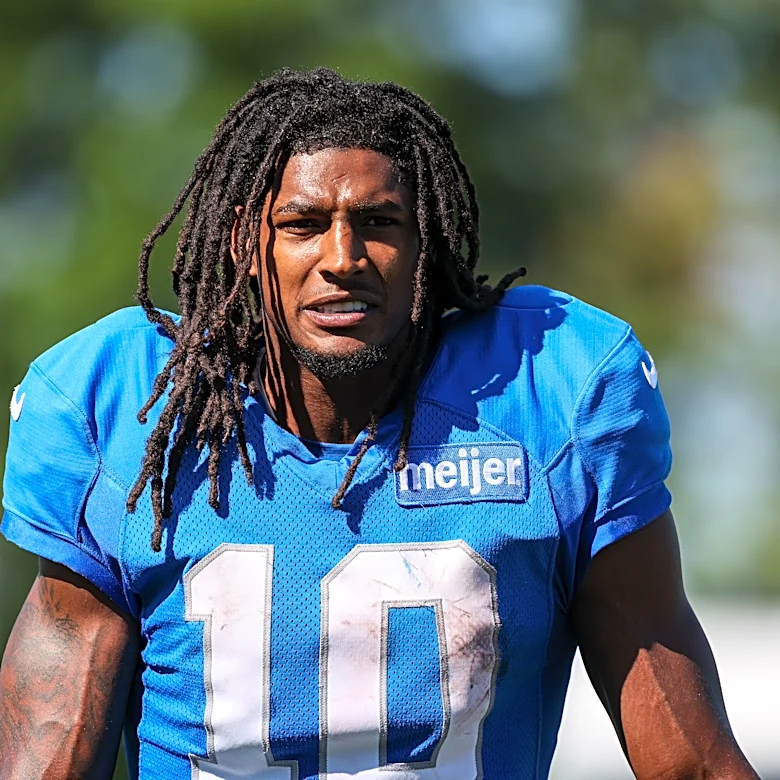
Another player with a lighter workload than many expected was wide receiver Marvin Harrison Jr.
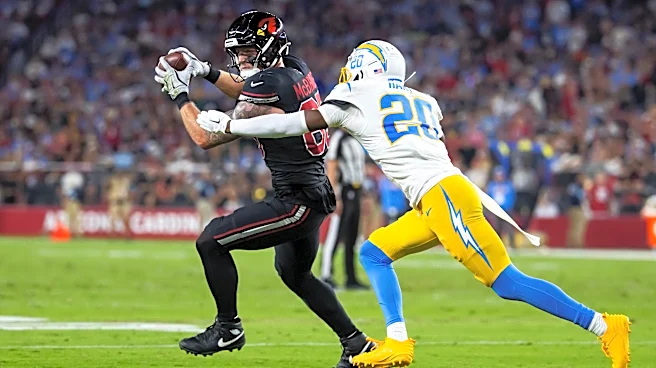
Harrison ran a route on 84.6% of the Cardinals’ dropbacks. Both Michael Wilson (92.3%) and Trey McBride (87.2%) were more involved.
The actual production was even more jarring. Harrison caught just one pass on three targets, although that lone reception did go for 33 yards on a well-executed go route.
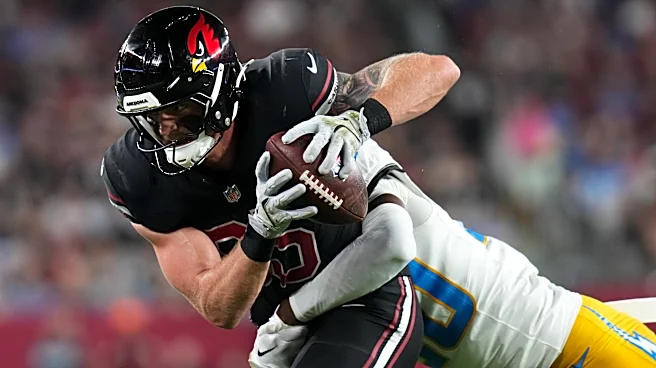
McBride (nine catches on 13 targets), Kendrick Bourne (eight on eight) and Wilson (five on seven) finished the day with significantly more production than Harrison.
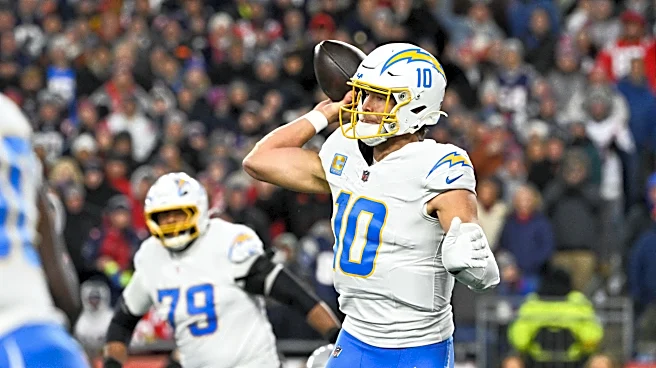
It’s not just that Harrison finished with meager stats. According to Fantasy Points Data, he was Jacoby Brissett’s first read on just two dropbacks. That indicates that the Cardinals’ game plan was not designed around him, at least not against the looks that the Chargers were showing.
As he did with Love, LaFleur played down concerns about Harrison’s usage.
“I wouldn't look too much into the targets. It was just how the game unfolded,” LaFleur said. “We're always gonna do what we think is best, in terms of putting our players in positions to be successful that makes sense against the coverages and scheme that we're going against.”
But given that Wilson outperformed Harrison for much of last season, this situation is worth monitoring.
Plus, there’s this tidbit: During training camp, Harrison was the primary receiver in 13 personnel (one running back, three tight ends) looks. Against the Chargers, Wilson ran three routes on those plays to Harrison’s two.
It could simply be that Wilson has done more to earn the trust of this coaching staff than Harrison has, all while McBride remains the Cardinals’ undisputed top pass catcher. Or maybe this was just a Week 1 blip.
This article originally appeared on Arizona Republic: LaFleur explains light usage for Jeremiyah Love, Marvin Harrison Jr.