



Cities and utilities across metro Phoenix will be hit in different ways by the 760,000 acre-feet in water cuts from Central Arizona Project's Colorado River water supply.
The challenge will depend, among other things, on how much of their water comes from the CAP, their priority for Colorado River water, how many customers they serve, the diversity of that utility's water portfolio, and whether they have the pipelines, wells and treatment plants to transport and use other sources of water.
Not all Valley residents receive Colorado River water in their tap — some are served groundwater, water from the Salt and Verde rivers, or a mix of those.
In varying degrees, about 3.5 million customers from 19 towns and cities get CAP water after it goes through
surface-water treatment plants.
About half a dozen other cities and utilities have an allocation to Colorado River water but exchange it, lease it, or store it underground to pump at a later time. Phoenix, for example, sends nearly half its allocation to taps and banks the rest; Tucson and Marana send nearly all their CAP water to the aquifer and pump it later from wells to serve residential customers.
It's unlikely residential customers will see the effect of the Colorado River water cuts in their taps in 2027 but, to different degrees, they could see it in their bills.
The U.S. Department of the Interior announced on Aug. 21 that for the next two years, Arizona will take an annual cut for 760,000 acre-feet of water. Arizona's CAP is entitled to 1.6 million acre-feet of water a year, but was already taking less than 1.2 million acre-feet due to severe drought conditions.
Bigger cuts could be ennacted by the feds in the years to come.
Where do you get your water from?
Arizona draws water from four main sources: groundwater, Colorado River water, water from in-state rivers and reservoirs, and treated wastewater, also called effluent or reclaimed water.
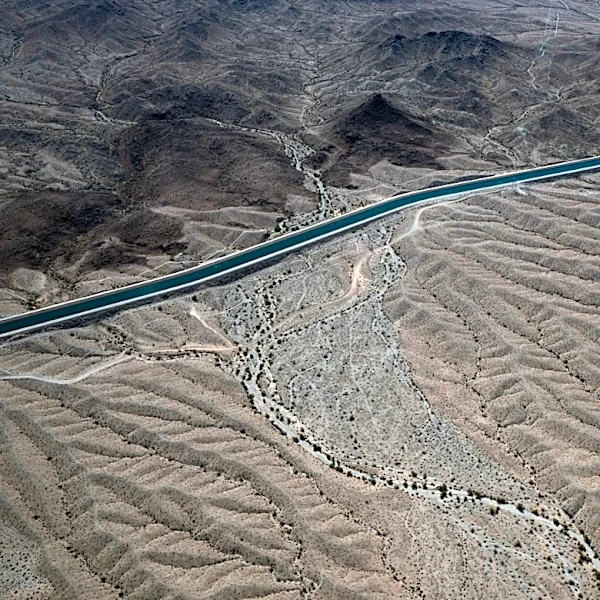
Water transported through the CAP Canal makes up about 36% of the water used in Arizona, 40% is pumped from aquifers, and about 20% comes from reservoirs in the Salt and Verde Rivers. Reclaimed water or effluent is the only source that isn't yet treated and sent to residents' taps. It makes 5% of the water used in Arizona and goes to aquifer recharge, industrial cooling, parks and outdoor landscaping, golf courses, and agriculture.
Most of rural Arizona relies exclusively on groundwater but cities in metro Phoenix, areas of Pinal County and the greater Tucson area have access to a combination of several water sources.
While there are 24 cities in Arizona with an entitlement to water from the CAP, the amount varies widely and not all of them use it to serve residential water users and businesses. Some utilities send CAP water to golf courses, recharge it in the aquifer for later use, lease or exchange it with other users.
Cities and utilities who rely on the CAP for tap water deliveries operate surface water treatment plants to bring Colorado River water to potable standard. When CAP allocations drop, water systems with the highest percentage of CAP water sent to taps are more likely to face challenges in the short term, as they will have to pivot fast in times of shortage, according to experts from ASU’s Kyl Center for Water Policy.
Some water providers have a system of wells that can pump banked CAP water and groundwater when shortage comes. Others have long-term leases with tribes for high-priority CAP water, so shortage plans are unlikely to affect their Colorado River supply.
Annual reports of tap water deliveries, submitted by utilities to the Arizona Department of Water Resources and aggregated by the Kyl Center, show that between 50% and 100% of the tap water in Tonto Hills, Anthem, Apache Junction, Cave Creek, Scottsdale, Chaparral City, Carefree, Mesa and Glendale comes from the CAP system.
To varying degrees, cities have backup supplies or groundwater to make up for CAP cuts.
Some cities won't have to transition to other water sources yet, because they had a CAP allocation that exceeded demand, or have partnerships that shield them for now — many cities and utilities have long-term leases with tribes, which have higher priority to the CAP.
Cities turn to backup supplies, partnerships
Even if delivery is not affected right away, the loss of CAP water is bound to change Arizona's water future.
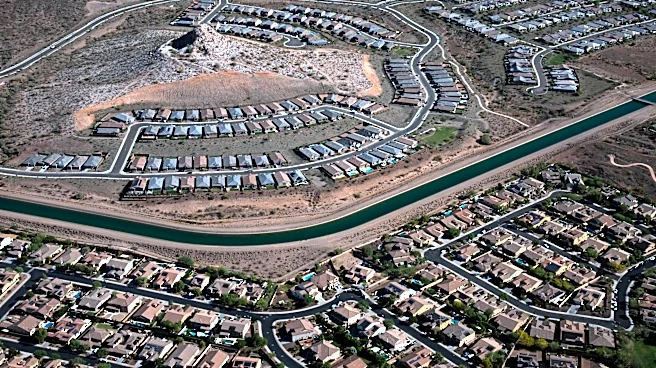
Arizona's biggest cities have relied on the Colorado River to meet their customer needs and to recharge their groundwater resources since the arrival of the CAP Canal in the late 1980s. The canal and imported river water were Arizona's "aquifer savings plan."
As less Colorado River water is available, cities will go back to pump from the aquifers. Most have banked Colorado River water underground for decades, as well as treated wastewater, and will start recovering it to make up for cuts.
Tribes, cities, private utilities, investment firms and government entities have rights to recover about 14 million acre-feet of Colorado River water, and sometimes highly-treated wastewater, that was either recharged into the aquifer or traded with an irrigation district in exchange for credits.
Cities and utilities with the largest customer base, face the biggest challenge when it comes to volume but often have decades of planning and a more robust budget for new infrastructure. Small water systems can be more nimble to change and their needs can be absorbed by bigger providers or through exchanges — however, costs are spread over a smaller customer base, which could lead to larger increases in water bills.
Cave Creek, for example, serves about 2,000 acre-feet of water annualy to its customers. That's only 0.6% of the water that Phoenix delivers in a year to taps. The town, on the north end of the Valley, will turn to a small amount of banked river water and an exchange for CAP water with Phoenix, Peoria and Surprise, for backup.
Water providers that don't directly use CAP water for tap deliveries are still vulnerable to shortage in the long term.
Over the last three decades, many cities have stored in the aquifers whatever CAP water they were not using. Those water savings won't be getting any bigger.
For the next two years, water providers in Arizona will have not only less CAP water to treat and send to taps, but less river water to recharge and bank underground. An analysis by the ASU Kyl Center for Water Policy concludes that, in the long run, the effects of Colorado River cuts will fall on local aquifers.
Clara Migoya covers agriculture and water issues for The Arizona Republic and azcentral. You can send your story tips or comments to clara.migoya@arizonarepublic.com
This article originally appeared on Arizona Republic: Here's how much of your tap water comes from the Colorado River