





A flash flood warning was issued by the National Weather Service in Phoenix at 10:09 a.m. on Thursday, Sept. 24. This warning applies to Maricopa and Pinal.
The National Weather Service warns: "Turn around, don't drown when encountering flooded roads. Most flood deaths occur in vehicles."
The warning comes after FAA ordered a ground stop for Phoenix Sky Harbor International Airport
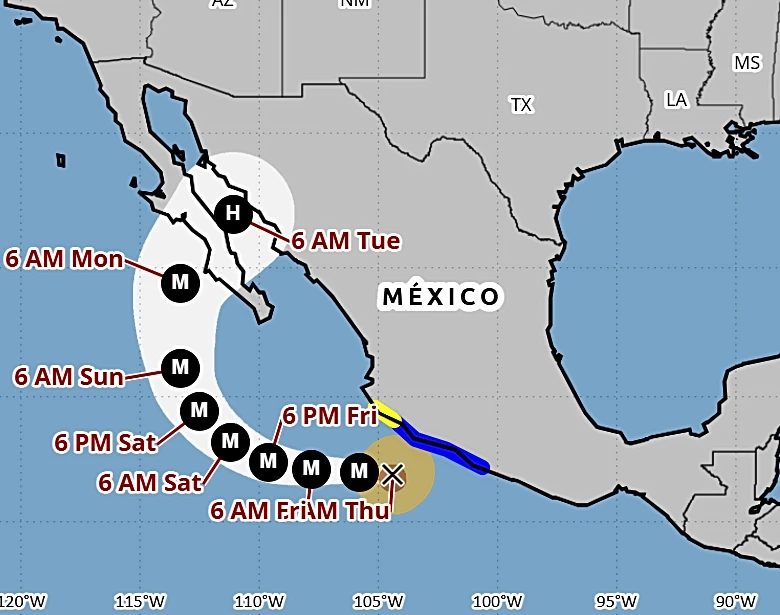
because of thunderstorms in metro Phoenix.Meanwhile, Polo in the Pacific Ocean went from a measly tropical storm to a monstrous, Category 5 major hurricane, one of the fastest rapid intensifications ever recorded. The track heading into the weekend shows Polo moving northwestward away from southwestern Mexico’s coast. That could bring more moisture into the Southwest
and Arizona.
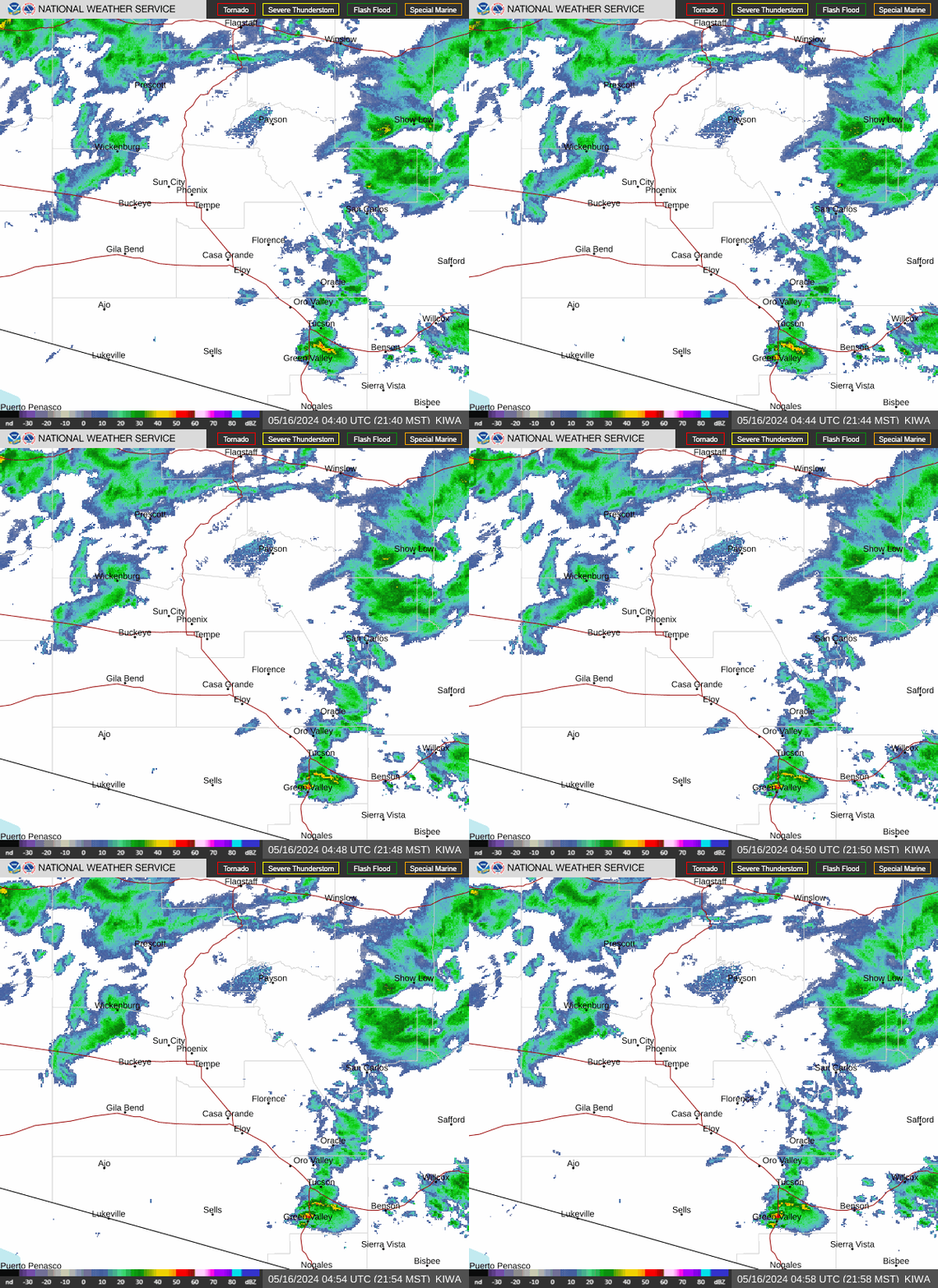
See weather radar for metro Phoenix
What are weather service meteorologists saying?
At 10:09 a.m., the National Weather Service issued a statement:
"The National Weather Service in Phoenix has issued a Flash Flood Warning for: Maricopa County in south central Arizona, Pinal County in southeastern Arizona, Until 1:15 p.m. MST. At 10:09 a.m. MST, Doppler radar indicated thunderstorms producing heavy rain across the warned area. The expected rainfall rate is 0.5 to 1.5 inches in 1 hour. Additional rainfall amounts of 0.5 to 1 inch are possible in the warned area. Flash flooding is ongoing or expected to begin shortly.
HAZARD: Life threatening flash flooding. Thunderstorms producing flash flooding.
SOURCE: Radar indicated.
IMPACT: Life threatening flash flooding of creeks and streams, urban areas, highways, streets and underpasses. Some locations that will experience flash flooding include: Estrella, Sonoran National Monument, Estrella Sailport, Bosque and Mobile."
What is a flash flood?
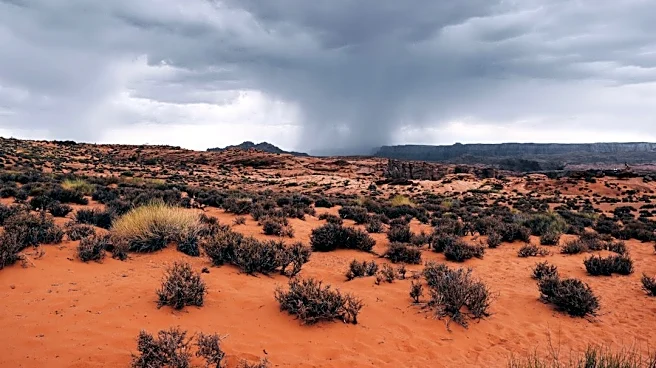
Arizona's desert landscape is highly prone to flash flooding. A flash flood is a flood caused by heavy or excessive rainfall in a short period of time, generally less than six hours, according to the weather service.
A flash flood can be sudden and violent and take just minutes to develop. Even if skies are clear overhead, rainfall upstream can funnel into dry riverbeds and create dangerous flows miles away.
How much water is needed to cause a flash flood?
It doesn't take much water to trigger a flooding event in the desert: An inch of rain or less in an hour is often enough to cause a flood. How quickly and where rain falls determines flooding more than rain totals.
Desert soils struggle to absorb water, especially after extended dry spells. The surface can become almost waterproof, causing runoff.
Topography also plays a role, as steep canyons, mountains and dry washes are susceptible to floods. Areas impacted by wildfires are more at risk, as the flames can burn the top layer of the soil, preventing absorption and increasing runoff.
What's the difference between a flash flood watch and a flash flood warning?
A flash flood watch means conditions are favorable for flash flooding to develop, but it isn't happening yet. In Arizona, this often happens when monsoon storms or heavy upstream rainfall could send sudden surges of water through washes, canyons or urban areas.
During a flood watch, it's important to monitor local forecasts and alerts, plan evacuation routes in case flooding begins, move vehicles out of low-lying areas and avoid recreation in areas that could fill with water quickly.
A flash flood warning is more urgent, meaning flooding is impending or already occurring. Warnings are typically issued when rainfall is recorded at levels that can suddenly overwhelm desert drainage or when flooding has already been observed.
Tips for staying safe during a flood warning in Arizona
- If advised to evacuate, do so immediately.
- Do not walk through floodwater. Just 6 inches of floodwater can sweep you off your feet if it is moving swiftly.
- Turn around, don't drown: Never attempt to drive through a flooded street; instead, turn around and find an alternative route. Just 12 inches of water can carry away smaller vehicles, and 2 feet can carry away SUVs and trucks. Most flood-related deaths are caused by people driving through water.
- Watch out for fire hazards and move to higher ground.
- Pay attention to weather notifications and road closures.
- Do not allow children to play in flowing water. Waters can hide rocks, trees and debris.
This weather report was generated automatically using information from the National Weather Service and a story written and reviewed by an editor.
See the latest weather alerts and forecasts here
This article originally appeared on Arizona Republic: Flash flood warning issued for metro Phoenix after monsoon storms