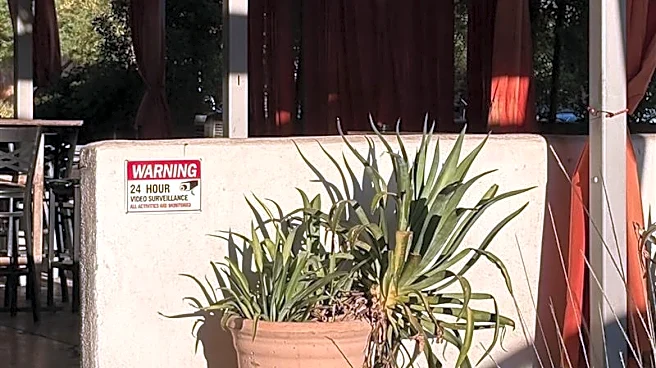




Outside popular midtown Phoenix gay bar Kobalt, signage alerts visitors they are under camera surveillance. The warning was all the more urgent a day after the deadly triple shooting at a gay bar only 116 miles south.
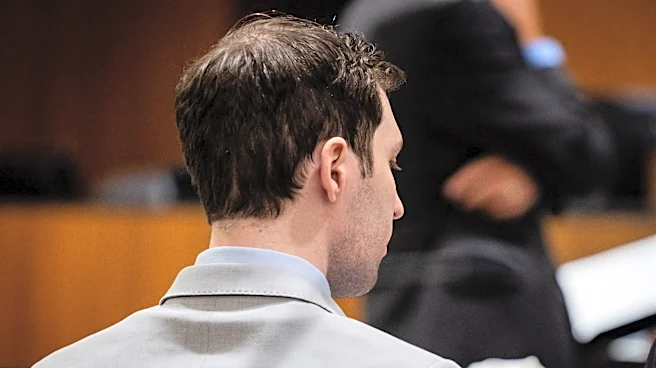
Suspect Ousman Ceesay, 44, died from a self-inflicted gunshot wound after fatally shooting Cameron Davis Capara, 33, and Vincent Anthony Siqueiros, 42, just past midnight on Aug. 31, outside Venture-N, a bar in the area of Mabel Street and Stone Avenue. Capara and Siqueiros died at the scene, and Ceesay died at a hospital.
The shooter did not know his victims, according to Tucson Police Department spokesperson Officer James Horton.
A note found at Ceesay's home indicated "the shooting was a targeted attack motivated by hate toward
the LGBTQIA+ community," read a Sept. 1 statement from Horton. Tucson police said initial evidence indicated Ceesay shot Capara and Siqueiros in the bar parking lot, and the suspected shooter had a note with a list of other businesses "associated" with the LGBTQ+ community. Tucson Police Chief Monica Prieto described the shooting on Aug. 31 as a "bias-based" crime.
Since June 1, 2022, there have been 54 anti-LGBTQ incidents in Arizona with 11 of those in Phoenix, according to the Gay & Lesbian Alliance Against Defamation’s (GLAAD) hate and extremism-tracking ALERT Desk.
Owners of some of Phoenix's most beloved LGBTQ+ nightlife establishments have long been concsious of the dangers bias crimes pose to their businesses. Security steps have been an innate part of operations.
On the afternoon of Sept. 1, Kobalt owner Jeff Perales said his bar, located within the Park Central complex off Central Avenue and Thomas Road, increased security more than a year ago. Additional training for bar staff and the posting of the security camera sign came nearly a year ago after a man was arrested on suspicion of making a terrorism threat against another Phoenix gay bar.
Perales and his staff agreed that security measures would not become an overt part of the attendees' experience at the establishment, which regularly draws large crowds for nationally celebrated drag performers.
"Just be vigilant and try to not let the people who are trying to instill fear in us win," Perales said about what measures were taken.
Phoenix Police Department spokesperson Mercedes Fortune said on the evening of Sept. 1 there was no indication of threats in the area. She said there will be officers doing additional patrolling around LGBTQ-friendly businesses and other gathering sites.
Still, the loss of life at what was considered a safe space for LGBTQ+ community members in Arizona, weighed on Audrey Corley. The owner of one of the country's last remaining lesbian bars, Boycott on 7th and Glenrosa avenues, Cooley took to social media Sept. 1 to quell safety concerns.
"At Boycott, we'll do everything to protect our guests like we always do. Safety is of the (upmost) priority — always," Cooley said in a video shared on Facebook and Instagram.
John King opened Charlie's Phoenix in 1984 with security concerns from the beginning. The gay tavern, located on Camelback Road and 7th Avenue, was built to thwart potential attacks, King said. Charlie's, according to King, was targeted by individuals who would toss bricks and exploding firecrackers.
For King, those were projectiles that could potentially hurt patrons as badly as gunfire. Then, the 2016 massacre at Orlando gay nightclub Pulse happened — the deadliest shooting in U.S. history at the time.
"What happened in Pulse was an eye-opener to all of us," King said.
The Pulse shooter used a semiautomatic rifle and a handgun to kill 49 people and injure another 58. The use of a semiautomatic prompted more handheld metal detector screenings at Charlie's, King said.
Whatever measures Phoenix's gay bar owners have taken and will take, Perales considered there was a greater responsibility at play, namely political rhetoric targeting LGBTQ+ people.
"People in positions of power who are merely saying it because they're trying to gain a vote and scare people into voting for them, not realizing they're actual people — their daily lives where these things are affecting them and they're the most vulnerable in our society," Perales said. "We should be doing and saying things to protect them, not doing and saying things that instill fear in people that will cause them to be in harm's way."
Have a news tip? Contact The Arizona Republic and azcentral.com at newstips@arizonarepublic.com.
This article originally appeared on Arizona Republic: Phoenix gay bar owners talk safety worries after fatal Tucson shooting