


The only pipeline transporting water across the Grand Canyon won’t make any deliveries to residents and visitors of the South Rim until around Thanksgiving, park officials say after flash floods damaged the water line in August.
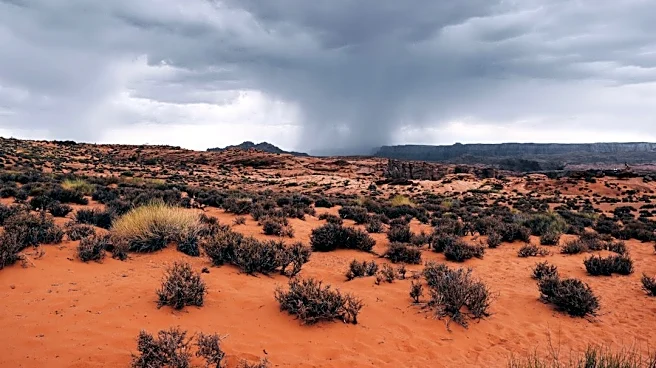
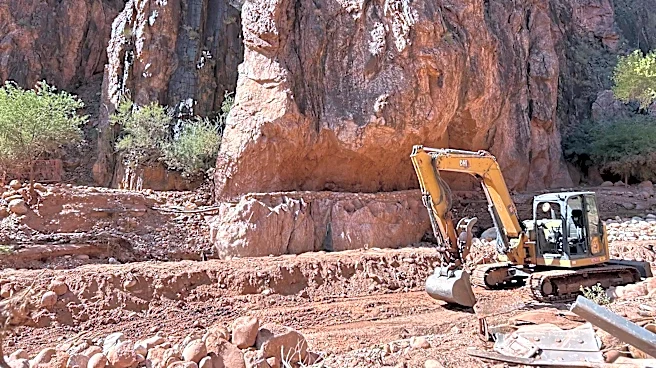
Roughly 40% of the 12.5 mile Transcanyon Water Line between the North Rim and Phantom Ranch was affected by floods that tore through the canyon on Aug. 29. Critical water pumps in Bright Angel Creek and Roaring Springs both sustained significant damage, according to the National Park Service in an advisory issued Sept. 19.
Park officials will start drawing water again from Bright Angel Creek by Nov. 16. Once the intake pumps start flowing it will take about 45 days to refill water tanks at the South Rim.
In the meantime,
the park is working on an agreement to haul 200,000 gallons of water a day to replenish the depleted storage tanks and sustain operations through November.
"We're currently in Stage 4 water restrictions which means the people who live and work at Grand Canyon are conserving water," said Mindy Riesenberg, the chief communications officer at the Grand Canyon Conservancy, the park's official nonprofit partner. "We have to be very frugal with water."
Where does water for the South Rim come from?
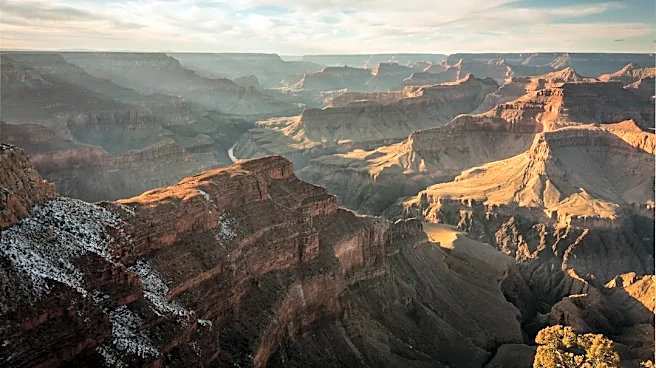
The Transcanyon Water Line, which has long outlived its life expectancy, is plagued by complications. Built in the 1960s, the pipeline captures water at Roaring Springs 3,500 feet below the North Rim. From there, water is pumped over the Colorado River in a pipeline suspended on the Silver Bridge, up to Havasupai Gardens and finally to the 1,600 residents of Grand Canyon Village and the park’s visitors.
It’s a feat of engineering that’s endured over 85 breaks just since 2010, according to the NPS. For years, the park service has been managing complex updates to fortify the pipeline. But maintaining the water line is costly and difficult. A single break in the line can cost over $25,000. Often, areas in need of repairs are only accessible by helicopter.
When floods swamped the canyon at the end of August, park officials were just a month away from finishing a $200 million upgrade that started in 2023 to relocate water intake from Roaring Springs to Bright Angel Creek, shortening the length of the water line. That improvement, along with a new water treatment facility and helipads, is meant to secure the canyon’s water needs for the next 50 years.
Crews are working to set-up a temporary intake pump at Bright Angel Creek after flooding wiped out multiple bridges and damaged other infrastructure, said Incident Commander Dave Black. Much of the new pipeline on the south end of the canyon was not damaged by the floods.
The South Rim had only two weeks of water stored in its tanks on Aug. 31, according to the park’s deputy superintendent, Brian Drapeaux. Currently, park officials are working on an agreement to bring in 200,000 gallons of water a day to sustain the Village until the water line is restored in November. Under the Stage 4 water restrictions, park operations and residents use about 137,000 gallons a day, NPS said in a release on Sept. 19.

What's open at the Grand Canyon?
While water restrictions are in place, the Grand Canyon’s in-park lodges, including El Tovar Hotel and Kachina Lodge, are closed to overnight stays until Oct. 31, according to park officials. Campgrounds remain open but visitors must bring their own water; water spigots at campsites have been turned off.
This isn’t the first time complications with the pipeline have derailed business-as-usual at the canyon, but the closures are still rare. The park has only suspended overnight stays at its hotels twice before.
In December 2025, breaches on the water line closed the park’s lodges. One year prior, a line break along the North Kaibab Trail prompted park officials to shutter hotels and campsites for the first time.
"This is a community that's very resilient to water restrictions," Riesenberg said. The Grand Canyon Conservancy is working to deliver thousands of gallons of drinking water to the South Rim community.
"The people who live and work here are the people who welcome the millions of visitors to Grand Canyon every year, right?" she said. "You can't separate the Grand Canyon from the rangers, from the hotel employees, from the Grand Canyon Conservancy staff, from the educators and families, and all of the other people who make this community work."
Riesenberg, who encourages visitors to come to the national park even in the midst of the restrictions, said caring for the Grand Canyon means supporting it through a crisis.
"The Grand Canyon is open," she said.
Though overnight lodging at the park remains closed, the Grand Canyon is still accessible to visitors. Nearby Tusayan is not under water restrictions and its hotels are open to visitors. Up to date information about specific closures can be found on the park's website.
Sarah Henry covers environmental issues for The Arizona Republic and azcentral. Send tips or questions to sarah.henry@arizonarepublic.com.
Environmental coverage on azcentral.com and in The Arizona Republic is supported by a grant from the Nina Mason Pulliam Charitable Trust.
Follow The Republic environmental reporting team at environment.azcentral.com and @azcenvironment on Facebook and Instagram.
This article originally appeared on Arizona Republic: Why the damaged Grand Canyon water line is still out of order