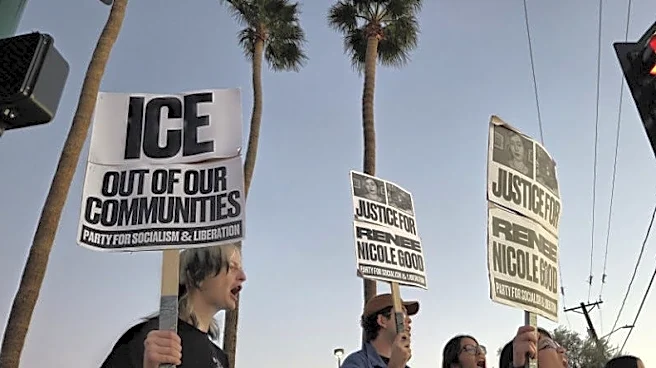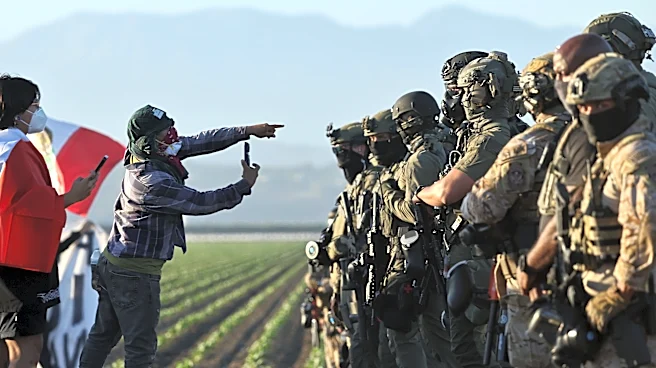





The food Americans eat depends on farmworkers, many of whom are undocumented. But a new survey by a farm labor group found that a vast majority of farmworkers are afraid to go to work because of the Trump administration's immigration crackdown and some are even skipping work when they hear of possible ICE raids.
Ninety-two percent of the 2,250 farmworkers, many of them undocumented, surveyed by the United Farmworkers Foundation, said that immigration raids and deportations have affected their employment.
In addition, the farm workers mentioned having to take days off during days of heavy enforcement, said Jonathan Angulo, the author of the report, which was released July 30.
The survey also found that 88% of farmworkers said they fear being detained
or deported because of the rise in ICE raids during the Trump administration's immigration crackdown. Ninety percent said they worry about family separation because of deportations, the survey said.
"Since Trump's immigration crackdown began early in 2025, farmworkers report (ICE raids) have had a severe impact on their employment," Angulo, a UFW Foundation research and policy analyst fellow, said during a news conference.
The Trump administration's immigration enforcement disruptions to the agriculture labor force come at a time when farmers are already facing critical labor shortages that threaten the nation's food supply, and have caught the attention of lawmakers in Congress.
In June, Rep. Glenn Thompson, R-Pa., who chairs the House Agriculture Committee, introduced bipartisan legislation aimed at shoring up the agricultural labor force by expanding the H-2A program to allow temporary farmworkers from other countries to work in the United States yearly instead of seasonally.
"When I visit our dairy farms and ask them what is the thing that keeps you up at night, the answer that I get the most is that our immigration system is completely broken and it's hurting our dairy farms who can't get access to the labor they need," Rep. Josh Riley, D-N.Y., a co-sponsor, said during a news conference to introduce the bill. "It's hurting our dairy farmworkers who are more vulnerable than they've ever been and it's hurting working families by raising the costs of groceries."
The legislation, called the Securing Agriculture's Workforce Act, is supported by the American Farm Bureau Federation, the largest organization representing farmers and ranchers.
"America’s farmers are facing a labor crisis," the Farm Bureau said in a statement in support of the bill. "Continued agriculture workforce shortages threaten farmers’ ability to grow the food families rely on."
In recent years, farmers increasingly have turned to the H-2A program to bring in temporary workers to fill labor shortages in the agriculture industry. In 2024, more than 300,000 H-2A visas were issued, according to Thompson's office, a 2,766% increase in the number of H-2A visas issued in 1996.
The legislation is intended to address concerns by farmers that the program is too cumbersome and expensive, Thompson said in a statement posted on his website.
The bill expands access to the program for year-round operations, controls costs to restore certainty to balance sheets, and streamlines the interactions of the government agencies administering the program, the statement said.
“It’s time to bring the H-2A program into the 21st century,” Thompson said in the statement. “Producers have been sounding the alarm for years that Congress needs to address the workforce crisis we have on our hands in farm country. The H-2A visa program is woefully outdated, and it no longer meets the needs of American agricultural production.”
The survey of 2,250 farmworkers conducted by the UFW Foundation, however, suggests the legislation falls short of addressing many of the major concerns of farmworkers, many of whom have lived and worked in the country for years, or decades, yet lack papers and the ability to legalize their immigration status.
Seventy-six percent of farmworkers said they desire protections from deportation and detention and 53% said they hope for a pathway to legal status and eventual U.S. citizenship, the survey found.
Of those surveyed, 80% said they have lived in the United States for more than 10 years and 41% for more than 20 years.
"Undocumented workers are saying they want protections for themselves and their families from detention and deportation," said Erica Lomeli Corcoran, UFW Foundation’s CEO during the news conference. "They want full legal policies in the agricultural industry to sustain. They want to keep working as farmworkers. And long to earn, the safety and protections only general immigration reform can offer.
For the survey, the UFW Foundation identified farmworkers through UFW data bases and those who chose to respond did not share names and personal details, including their immigration status.
The survey was conducted in June 2025 in response to ICE raids targeting agricultural sites in California. It took about a year for the UFW Foundation to collect, analyze the data and write the report, said Maybe Alfonzo, a UFW Foundation spokeswoman based in Phoenix.
The majority of farmworkers who responded are from California, but the survey also included farmworkers from Arizona and 14 other states, the survey said.
About 40% of farmworkers in the United State are undocumented, according to estimates by the U.S. Department of Agriculture.
Arizona has about 83,000 seasonal farmworkers, said Alfonzo, citing USDA estimates.
About 65,000 work in Yuma County, where about 90% of the lettuce and other greens sold in the United States in winter is grown, Alfonzo said.
While several immigration raids targeting agriculture sites took place in California in 2025, Alfonzo said she had not heard of any immigration raids targeting farms in Arizona.
Still, the raids in neighboring California sparked fear among farmworkers in Arizona, who saw them on the news and on social media, Alfonzo said.
Farmers in Yuma County are heavily dependent on the H-2A program, Alfonzo said. About 49,000 of the 65,000 farmworkers are seasonal workers, many of whom cross the border daily with visas from Mexico to work on farms in Yuma County, Alfonzo said.
But a sizable share of the agriculture labor force in Arizona is undocumented or have family members who are undocumented, Alfonzo said.
Farmworkers, including those who work in the fields of Yuma County, "do the backbreaking work of keeping America fed," Rep. Adelita Grijalva, D-Arizona, said in a written statement in response to the UFW Foundation's survey.
"These are demanding jobs that simply cannot be filled by U.S. workers alone. Yet despite being indispensable to our food supply and economy, they are being targeted by this administration’s cruel immigration raids," Grijalva said. "That approach is not only inhumane — it also undermines our agricultural economy and threatens our food supply. Congress must finally pass comprehensive immigration reform that includes a pathway to citizenship and meaningful protections against worker exploitation for the farmworkers our country depends on.”
Grijalva expressed concerns about the Securing Agriculture's Workforce Act.
She said she appreciates efforts to address agricultural workforce needs, but is worried the legislation would weaken wage protections and expand the H-2A program without sufficient safeguards against worker exploitation.
The bill also "fails to provide an earned pathway to citizenship for the longtime farmworkers our communities rely on,” Grijalva said.
Homeland Security Department says worksite raids protect public safety
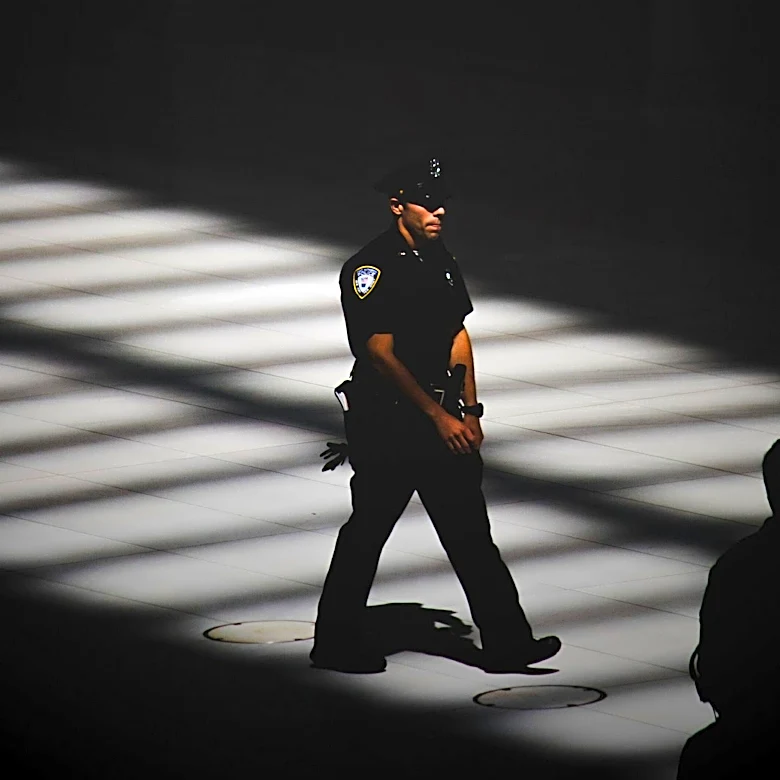
Immigration enforcement at worksites is "a cornerstone" of the U.S. Department of Homeland Security's efforts to protect public safety, national security, and economic stability "while rescuing individuals who may be victims of labor trafficking or exploitation," a Homeland Security official said in a written statement.
The department is conducting law enforcement activities across the country that target criminals such as murderers, rapists, pedophiles, gang members and terrorists, the official said.
"These operations target illegal employment networks that undermine American workers, destabilize labor markets, and threaten American communities," the official said.
At a recent worksite operation at a marijuana facility in California, law enforcement rescued 14 children from potential forced labor, exploitation, and trafficking, the official said. Authorities also detained "multiple criminal illegal aliens including a pedophile," the official said.
Employment of undocumented workers incentivizes dangerous and illegal practices, including Social Security fraud, the official said.
During a recent worksite operation in Nebraska, many of the workers used stolen Social Security numbers and identities to unlawfully obtain wages, health benefits and employment authorization, the official said.
"Behind every stolen social security number uncovered these operations is a real American — mothers, fathers, students, and disabled workers — now facing devastating financial, emotional, and legal fallout," the official said.
This article originally appeared on Arizona Republic: Farmworkers afraid to work during immigration crackdown, survey finds