



In the last month, four communities representing more than 650,000 Arizona residents have dropped their Flock contracts after overwhelming public pushback. From progressive suburbs to deep-red rural counties, concerns about surveillance have emerged across Arizona. This fall, voters have the opportunity to take that message statewide by voting yes on Prop. 319.
Prop. 319 is a legislative referral that gives voters the choice to rein in the use of automated license plate recognition (ALPR), the same technology used by Flock. Fundamentally, the referral would ban cities and towns from installing new traffic photo-enforcement systems, which increasingly include ALPR technology. Communities that already use these systems can continue for now, but
they’ll have to put the issue before voters in the November 2028 election to keep them.
Prop. 319 slows the advance of ALPR surveillance
As technology evolves and local governments outsource their work, photo-enforcement systems look very different than in past decades. In many Arizona cities, these systems are run by a third-party contractor that has access to your name, address, plate data and personal information. While local contracts generally prevent the system vendor from outright selling your information, data breaches and corporation-friendly courts make those protections fairly weak.
Opponents of Prop. 319 will say there is a difference between old-fashioned photo cameras and Flock-style surveillance. While many local officials claim that photo-enforcement systems only take pictures when a car is breaking the law, marketing materials from ALPR companies make clear that isn’t always true. Any technology that tracks the movement of cars and people throughout our streets is prone to abuse, as we’ve seen from recent cases where police officers used Flock cameras to stalk their ex-wives or investigate women seeking an abortion.
Police openly defend the use of ALPRs as tools for mass surveillance beyond traffic control. That fact should concern anyone opposed to government surveillance. Prop. 319 will give voters the choice to stop police from monitoring them for traffic violations, an important step toward giving citizens the power to decide how we are policed.

There are better ways to manage traffic
There's no question that traffic enforcement is important to encourage safer driving behaviors. During this year's legislative session, Democrats tried to work with Republicans on legislation that would have limited the use of ALPR technology while protecting old-fashioned traffic cameras. Traffic cameras also offer an alternative to direct interaction with police, something that matters especially to communities of color that have been targeted by generations of overpolicing.
But the reality is that Arizona's current photo-enforcement regime has become deeply regressive, with the greatest burden falling on those who have the least. In neighboring New Mexico, traffic tickets start as low as $25 and increase based on the severity of the violation. In contrast, drivers in Phoenix can face fines as high as $250 for a first-time, low-level offense. For someone earning minimum wage, that's two full days of pay.
When Prop. 319 was moving through the legislature, cities and towns argued that it would hurt local revenues. In practice, very little ticket revenue stays local. In Paradise Valley, for example, 40 percent of ticket revenue goes to the state, 33 percent goes to direct operating costs (likely the third-party vendor) and 12 percent funds court and police costs. That leaves just 15 percent of every ticket as direct revenue for the town. Relying on tickets for revenue also creates a perverse incentive to put cameras where they catch the most drivers, not where safety risks are highest. The solution to local budget shortfalls should be better allocation of state funds, not regressive ticketing systems that increasingly risk public privacy.
There are also other options to consider. When the city of Phoenix lengthened yellow traffic lights, red light violations fell by 60 percent. Simple steps, including radar-operated speed reminders and installing more street signs in school zones, can also make a big difference.
Saying 'no' to surveillance
Safety matters. Privacy matters, too.
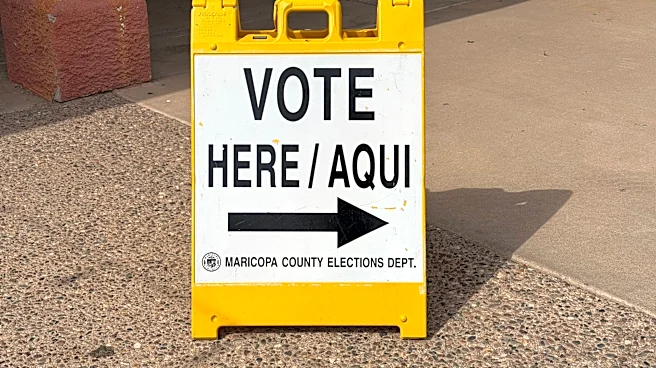
In Arizona, we have the tools to manage traffic safety and prevent accidents without resorting to mass surveillance. By passing Prop. 319, we can send a message that personal freedom is still at the heart of Arizona’s political identity, no matter where we live, who we are or who we’re voting for in November.
Katie Gipson McLean is a fourth-generation Arizonan, a public defender in Phoenix, and a local school board member.
This article originally appeared on Arizona Republic: Surveillance isn't safety. Prop. 319 gives voters a choice | Opinion