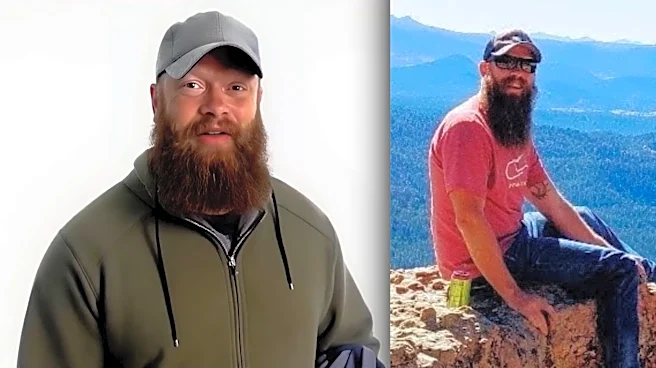



An AI video depicting the dead victim of a road rage shooting used at a sentencing hearing was “fundamentally unfair,” the Arizona Court of Appeals found.
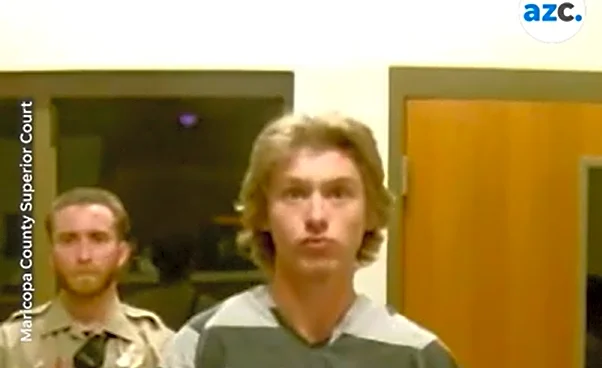
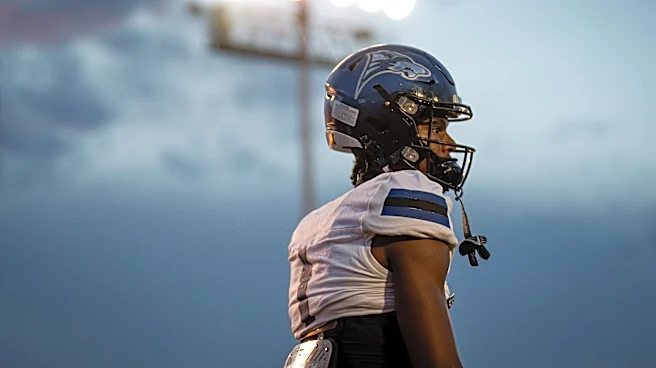
The Court of Appeals vacated a 10.5-year manslaughter sentence and ordered the resentencing of Gabriel Horcasitas, who was convicted in the shooting death of 37-year-old Chris Pelky.
Judge D. Steven Williams wrote in his opinion, released Sept. 30, that the AI video was not reliable and that it caused unfair bias against Horcasitas.
It was a historic decision as “no Arizona case has addressed the admissibility of an AI-generated depiction of a victim offered as victim impact evidence,” Williams wrote in his opinion.
Horcasitas challenged an AI-generated video played during his sentencing hearing
in May 2025 that recreated Pelky’s appearance and voice to the Court of Appeals, just six days after. He also challenged the admission of text message evidence he could have used for his defense, which the court rejected and affirmed the conviction.
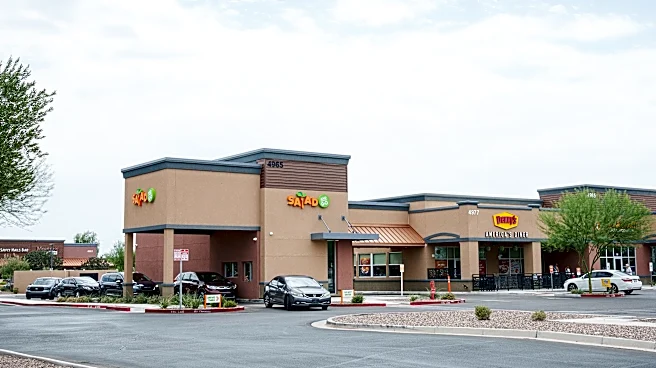
In November 2021, Pelky was fatally shot during a road rage incident in Chandler. Horcasitas was later convicted of manslaughter and pled guilty to one count of endangerment.
Historic opinion on AI-generated video played in court
Sentencing hearings give family members and friends of both the victims and the accused a chance to be heard by the judge. The judge then typically considers the statements when deciding the sentence.
Numerous family and friends of Pelky spoke, the court opinion stated. At the end of those statements, the AI video played, making the “AI victim” the last one to address the judge.

In the video, it explained the “AI victim” was a “version” of Pelky recreated with his picture and voice profile, the court’s opinion read.
The AI video claimed it was a “true representation” of Pelky, the court document read. The video was mixed with real video recordings of Pelky, including him fishing.
Maricopa County Superior Court Judge Todd Lang reacted to that video with appreciation, saying he felt it was “genuine.”
“I loved that AI. Thank you for that, and as angry as you are and justifiably angry as the family is, I heard the forgiveness and I know Mr. Horcasitas appreciated it, but so did I,” he said during the hearing.
Lang told Pelky’s family the video allowed him to “speak from his heart.”
Horcasitas argued the AI video impacted his due process and affected the judge’s decision, the opinion stated. He accused the video of conveying “an authority and authenticity” that had a “psychological impact” on the sentencing judge, court records stated.
Arizona state prosecutors disagreed, saying the AI video was reliable because it depicted what Pelky’s sister “believed” he would say.
Judge Williams noted victim impact presentations have wide discretion and there is no simple test to determine when it crosses the line between permissible and infringing on an accused’s due process.
However, “the AI video crossed that line,” Williams wrote.
He wrote it “clearly impacted the sentencing judge” and that there was “no question it played a role.”
“And on this record, the judge’s consideration of the AI video so prejudiced Horcasitas as to render the sentencing procedure fundamentally unfair,” Williams wrote in his opinion.
What comes next?
Horcasitas was expected to be resentenced for the manslaughter conviction, although it was not immediately clear when that would be scheduled.
He had received a 10.5-year sentence at the May 2025 hearing, which was the standard recommended term for manslaughter in Arizona. Sentencing terms for manslaughter range between seven and 21 years in the state.
State prosecutors must file a motion for reconsideration by Oct. 15 or a petition for the Arizona Supreme Court to review the case by Oct. 30.
Have a news tip? Contact The Arizona Republic and azcentral.com at newstips@arizonarepublic.com.
This article originally appeared on Arizona Republic: AI video of shooting victim that played at AZ sentencing is ruled 'unfair'