


For children of immigrants, deportation is never just about immigration status. It is the fear that one day the people who taught us what home means could be told they no longer belong in the only place we know as home.
When parents live with the fear of deportation, their children inherit that fear, even when those children are citizens, college graduates, educators, community leaders or people who have spent their entire lives building Arizona.
Prescott’s recent immigration roundups demonstrate that there is a particular kind of fear that only children of immigrants understand: the fear of losing a parent not because they stopped loving you, not because they abandoned you, not because they died, but because the government decided they no longer
belonged here.
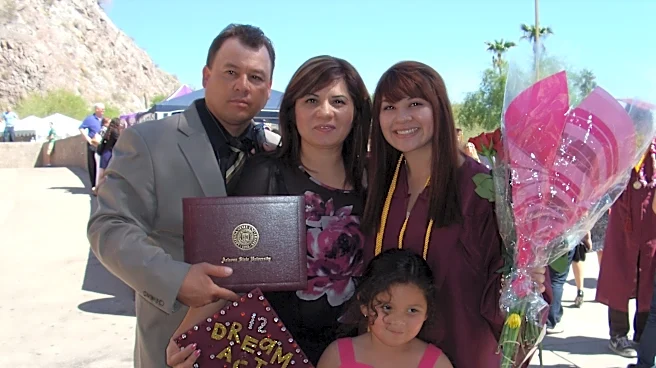
I know this fear because I am a child of immigrants. I grew up with sweaty hands and a fast-beating heart rate every time I would hear the word immigration. Yet, my parents taught me to love the Grand Canyon, a place I took for granted as a little girl. We would often make a road trip to the Grand Canyon as our bi-annual "vacation." The truth is we would visit that place to see my grandparents, who worked as a dishwasher and a domestic worker in one of the most beautiful places on earth. My parents who sacrificed everything, and made family Arizona road trips as magical as they could be are the reason why I became a first-generation college graduate and the founder and CEO of an Arizona nonprofit. My parents' migration story is also part of Arizona's story.
Children of immigrants, like my younger sister, who are often U.S. citizens, learn to ask questions other children don't have to ask: What if mom doesn't come home? Who would pick up my little brother? How would we pay the rent? Who would take care of my grandparents? What happens to the family business? Do I go with my parents? Do I stay because I was born here? How do you explain to a child that their parent is being taken away while also telling them they are safe? As an older sister, who was just 21, I had to figure it out to bring comfort while sharing the hard news that Dad was not coming home.
What if the person who taught you to drive, helped you with homework, cooked your favorite meal and worked every day to give you a better life suddenly became the person everyone was telling you to be afraid of?
What if you were born here, but your sense of safety depended on whether your parents could stay home?
What if the people who taught you to love Arizona were told they didn't belong in it?
For many children of immigrants, these aren't hypothetical questions. They're the questions we learn to carry quietly. The truth is, as a child of immigrants, you don't have to be undocumented yourself to live with this fear.
I have learned that immigration policy doesn't stop at the border, a courthouse or a detention center. It walks into classrooms. It sits beside students at lunch. It follows families to parent-teacher conferences. It shows up when a young person can't concentrate in math class because all they can count are the minutes wondering whether their parents will be home when they get there.
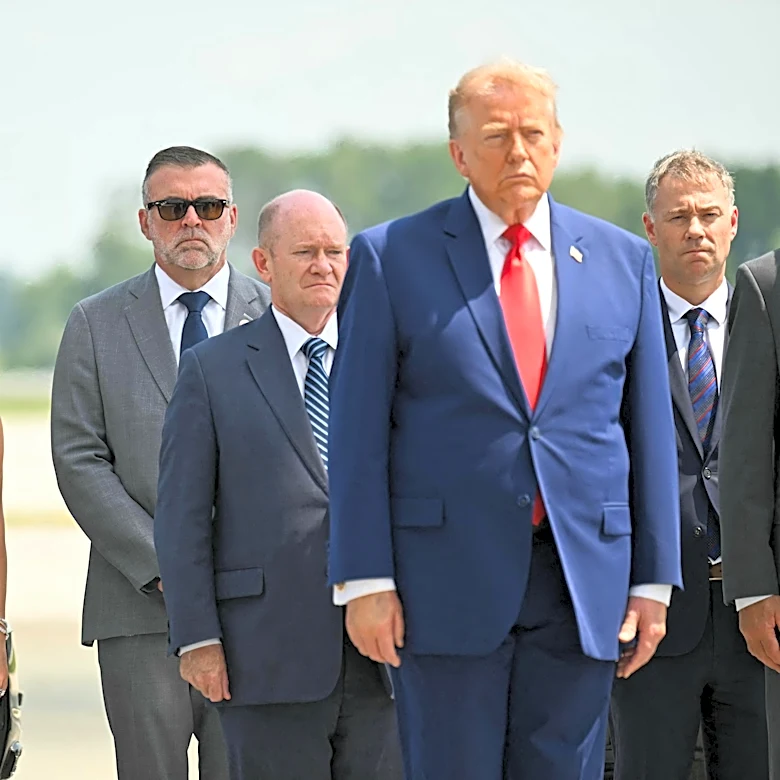
The heart-wrenching reality is that children are often the invisible people in immigration policy. The government may count an arrest or deportation as a number toward their quota. Stephen Miller was unequivocal: Immigration and Customs Enforcement officers would seek to arrest 3,000 or more immigrants per day, a staggering target that he said was necessary to carry out President Donald Trump’s mass deportation agenda. But the reality is: one parent can represent an entire family.
What kind of Arizona do we want? Do we want an Arizona where children grow up; families buy homes; parents work; students graduate; people start businesses; young people are civically engaged; families build community; grandmothers and grandkids go to church together; generations put down roots?
What does it mean to tell a child that Arizona is their home while simultaneously telling their parents that they may not be allowed to remain in it?
We can’t forget the fundamental truth that parents are parents. Children are children. And that family separation has real human consequences.
Maybe being an Arizonan isn't about asking whether someone's parents were born here. Maybe it is about asking what people are willing to sacrifice to make a better future here, in the Grand Canyon State.
We should be asking what kind of country requires children to rehearse the possibility of losing their parents.
We should be asking what kind of Arizona we want to leave our children.
Because when a parent is deported, it isn't only an immigrant who leaves Arizona. A piece of a child's sense of home leaves with them.
Reyna Montoya is founder, CEO and board member of Aliento, serving students, "Dreamers," and immigrant families in Arizona. Montoya is a regular contributor to The Republic Viewpoints section and serves on The Republic's Community Advisory Board.
This article originally appeared on Arizona Republic: My parents built a home here. Why that still shapes my fears | Opinion