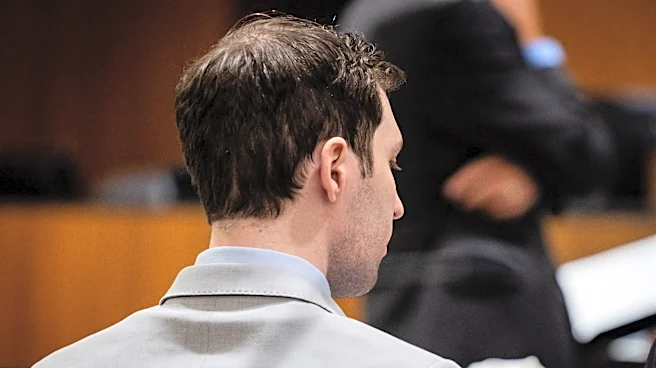


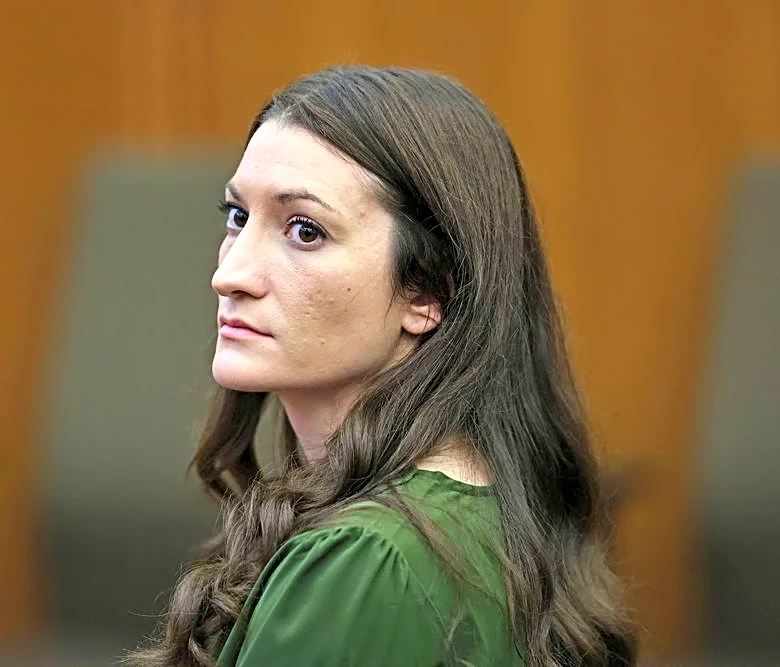

Tyler Robinson is expected back in a Utah courtroom Sept. 1 as attorneys make final arguments over whether he should stand trial in the killing of conservative commentator Charlie Kirk.
Prosecutors accused Robinson of climbing onto a rooftop at the Utah Valley University’s Losee Center on Sept. 10, 2025, and firing the shot that killed Kirk as he spoke to a crowd at a Turning Point USA event.
Kirk founded Turning Point USA, the conservative organization based in Phoenix. Prosecutors claim Robinson targeted him because of Kirk’s political expression.
Fourth District Court Judge Tony Graf is scheduled to hear oral arguments beginning at 9 a.m. Arizona time. Graf already heard five days of testimony in July. The hearings gave the public a look at the evidence
prosecutors say ties Robinson to Kirk’s killing.
For the case to move forward, prosecutors have to establish probable cause or enough evidence to support a reasonable belief that the crimes occurred and that Robinson committed them.
If Graf finds prosecutors met that burden, Robinson can be ordered to stand trial on some or all of the charges. If prosecutors failed to meet it on a charge, that charge can be dismissed.
Robinson, 23, faces seven counts, including aggravated murder, felony discharge of a firearm causing serious bodily injury, two counts of obstruction of justice and two counts of witness tampering. He is also charged with committing a violent offense in the presence of a child.
Prosecutors are seeking the death penalty.
What evidence was presented against Tyler Robinson?
During the July hearings, prosecutors walked Graf through campus surveillance footage, witness accounts, DNA evidence and records they say tracked Robinson’s movements before and after the shooting.
Investigators testified that surveillance video showed a man moving toward the Losee Center roof shortly before Kirk was shot and running from the rooftop afterward. A rifle wrapped in a towel was found north of the campus. Investigators also described messages they said referred to retrieving and hiding a rifle, engraving bullets and changing clothes.
An FBI report introduced during the hearing said DNA found on the towel wrapped around the rifle was likely to have come from Robinson and his roommate.
Robinson’s attorneys pointed out the limits of the evidence. An FBI forensic analyst acknowledged the DNA results were not an “absolute identification” and could not establish when the DNA was deposited or how it got there. Defense attorneys also emphasized that investigators could not identify the rooftop figure from the surveillance video alone and questioned witnesses about other guns found on campus and gaps in security at Kirk’s event.
After the weeklong hearing, Graf allowed both sides to submit written arguments before returning Sept. 1 for final arguments. The court set aside about four hours for the hearing.
This article originally appeared on Arizona Republic: Charlie Kirk murder case nears decision on trial for Tyler Robinson