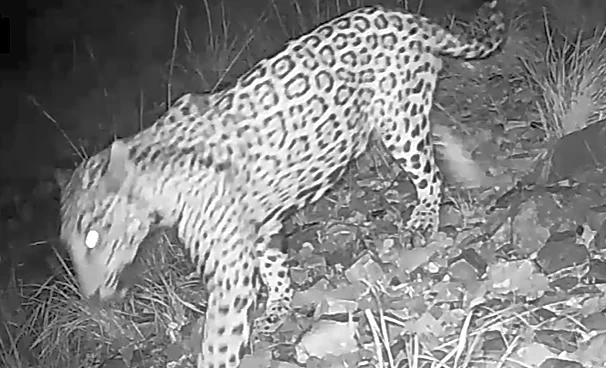






An endangered — and familiar — jaguar was spotted roaming through Arizona’s San Rafael Valley not far from where construction crews were building dozens of miles of a new border wall.
The jaguar, nicknamed Cinco by the University of Arizona’s Wild Cat Research Center, was the fifth to be spotted in the state since the research program started 15 years ago. The male cat was first seen on camera last November, after he traipsed across Arizona's border with Mexico. He showed up again this spring.
New trail camera footage from the Center for Biological Diversity revealed that Cinco is still meandering through the state’s southern mountains and valleys.
“Each new video of Cinco is a glaring reminder that jaguars need to move freely between the U.S.
and Mexico and that Trump’s border wall is a deadly threat to their continued existence in Arizona,” said Russ McSpadden, Southwest conservation advocate for the organization, in a press release.
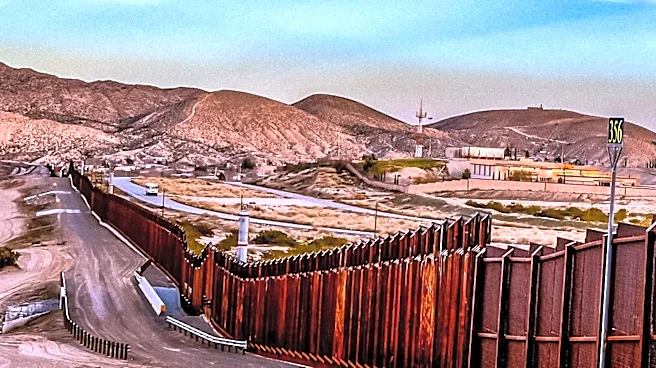
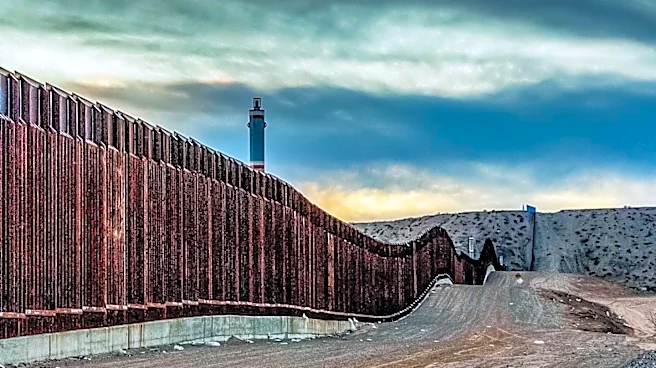
Since last fall, a contractor hired by the federal government has been installing 30-foot metal bollards across a 27-mile stretch of the San Rafael Valley. Eventually, the wall could span across 1,591 miles of the Southwest’s border.
The San Rafael Valley is part of the jaguars’ historic range and reaches across the border into Mexico. During the first Trump administration, it was left unwalled. For over a year, wildlife conservationists, biologists, Indigenous leaders and local ranchers have warned that the new wall would prevent wildlife, like Cinco, from moving across the border entirely.
'Edge populations' are hardy, researchers say
In 1997, jaguars were recognized as an endangered species after losing much of their habitat to development and fragmentation. Long ago, their range extended nearly as far as the Grand Canyon. These days, southern Arizona is the farthest reach of their northern territory. Jaguars like Cinco are living on the edge, but they are part of a larger population in Mexico.
The recent sightings of Cinco suggest that he is expanding his range. Fringe populations are important for long-term adaptation and survival, Susan Malusa, a biogeographer and co-coordinator of the wild cat center, told The Arizona Republic last December.
“These edge populations are very hardy,” she said. Arizona’s dispersing jaguars have traversed snowy mountains and arid desert.
Data collected in the past showed jaguars appearing every few years, but lately they have been showing up more often. Cinco was spotted on the university’s trail cameras on three days this year in February and March. The Center for Biological Diversity’s footage shows Cinco roaming around this summer in June and July.
“As a species listed under the Endangered Species Act, repeated detections over time provide meaningful evidence of continued presence and landscape use, a positive signal for a species in recovery,” Malusa said.
But recovery is complicated. Rising temperatures, decreasing prey and drought could all be factors driving jaguars north.
Double wall threatens habitat, activists say
Another threat looms. In 2025, President Donald Trump announced a national emergency at the U.S.-Mexico border, paving the way for former Department of Homeland Security Secretary Kristi Noem to waive cornerstone environmental laws meant to protect people, wildlife and the environment.
Now, construction crews are building not just one, but two, rows of parallel bollards. The secondary wall, commissioned by the president, will cover 653 miles of the border, including the San Rafael Valley. U.S. Customs and Border Protection has shared plans for 300 miles of secondary wall in Arizona, about 80% of the state’s southern boundary.
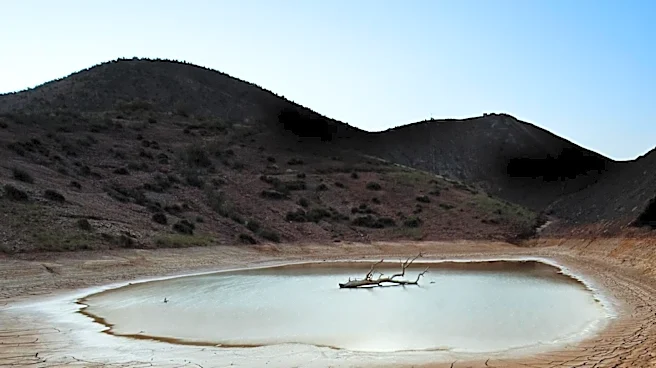
The secondary wall could threaten fragile springsin Organ Pipe Cactus National Monument and has already resulted in the removal of old cottonwood trees straddling the border.
Both walls will impede on federally designated critical jaguar habitat in the state’s Sky Islands: isolated mountain ranges like the Patagonia and Huachuca that give way to low desert valleys.
“These open corridors in southern Arizona and the Sky Islands are part of their historical range,” Malusa said. “They’re essential for jaguars and other wildlife.”
In May, an endangered Mexican wolf passed through one of the only remaining corridors along New Mexico’s border. Soon, that passage will be walled off.
This summer, a parade of animals passed by the same Center for Biological Diversity trail camera that Cinco did. The footage shows a pair of black bears, a mountain lion, a deer and a coyote.
Sarah Henry covers environmental issues for The Arizona Republic and azcentral. Send tips or questions to sarah.henry@arizonarepublic.com.
Environmental coverage on azcentral.com and in The Arizona Republic is supported by a grant from the Nina Mason Pulliam Charitable Trust.
Follow The Republic environmental reporting team at environment.azcentral.com and @azcenvironment on Facebook and Instagram.
This article originally appeared on Arizona Republic: Cinco the jaguar roams Arizona border near Trump wall. See the video