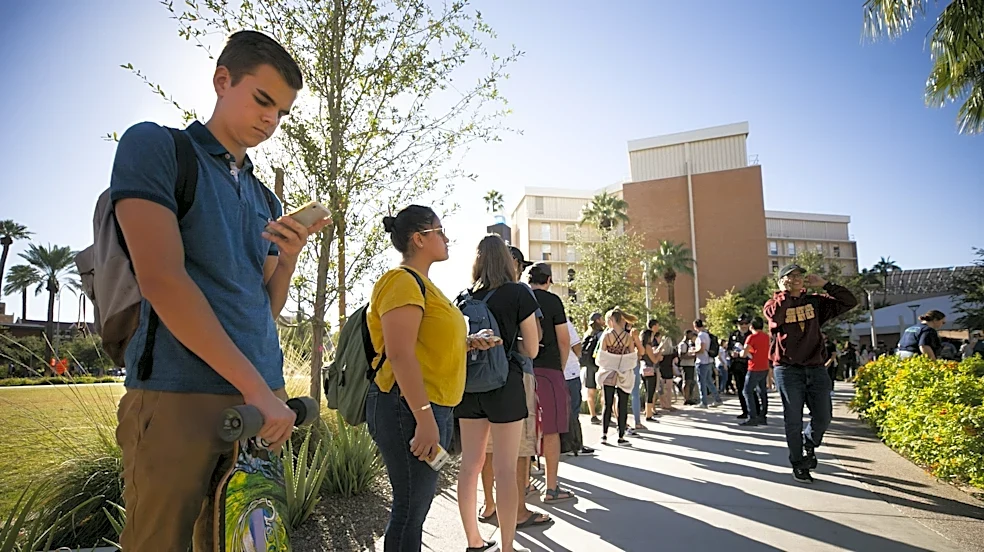








I was teaching in a college lecture hall the morning after the last presidential election: everyone was surprised, and many students were in shock. A student sitting halfway back in the theater-style lecture hall, one who rarely spoke in class, raised her hand and asked me: "What do you think? What's going to happen now?"
She was expressing uncertainty and anxiety regarding things that felt like high political stakes, but I was caught off guard. Beyond the specific politics of the time, elections invite conversations about an important and intense moment. For adolescents, elections offer an opportunity to acknowledge that having a lot of feelings about politics is entirely normal.
As the current election stirs up intense feelings across the political
spectrum again, I'm aware that students at the university where I teach and the teenagers in my life may be feeling uncertain ― regardless of their political ties.
I serve as a member of the National Scientific Council on Adolescence ― a group dedicated to helping America better understand the adolescent stage of life. Twenty years ago, the public began to understand the tremendous importance of brain development in early childhood; the last decades of research show that the teen years are the second great period of brain development. There is amazing neurological development during this life stage, with opportunities for cognitive, emotional and social development. The science tells us that adolescence is a period of opportunities for learning, exploration and growth.
We know that elections are significant moments for adolescents ― even if they could not, or did not, vote. For many youth, this election offers an opportunity to think about their values, who they are, what they want for their communities and how they want to contribute. It is a time for civic activity for many youth, and the first time many get involved in political activities. Precisely because it feels like both high stakes and high uncertainty, an election like this one touches on many of the core developmental needs during adolescence.
There are a number of things adults can do.
Talk about values
During the time leading up to the election, there will be chances to talk with adolescents about the things that matter to them now and for their futures. As adults, we can ask questions and listen. We can encourage youth to think about and understand their political perspectives and emotions ― to respect others' feelings, to think about how to support people who share their ideas as well as those with different views.
Make room for emotions and doubts
During adolescence, we learn how to manage emotions and uncertainty. Feelings are running high ― some people will be disappointed by the outcome and some will celebrate. These feelings are normal and even adaptive; learning how to manage those feelings is a key aspect of healthy development.
Spotlight the chances for learning and agency
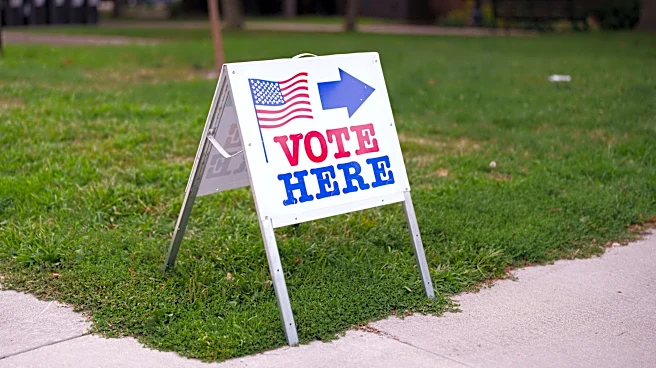
Elections offer opportunities for civic learning and involvement. Many will be voting for the first time. Everyone who has voted knows that it is not always easy, from learning what is on the ballot to finding your polling place. Adolescents need opportunities to understand the political system, to try out their ideas and values and to learn to get along with others that they may or may not agree with.
Acknowledge that the election feels personal
Elections can be times when youth want to get more involved in the community ― to help others, become politically active and support their peers, families and communities. Elections are opportunities for clarifying values and for civic engagement that can help define a sense of meaning or purpose.
We know that experiences adolescents have today predict their civic and political involvement later in adulthood. Adults can play a role by talking with youth about what is happening today. Adolescents themselves can become involved in community activities and advocacy. They can do things with their friends to get involved in positive actions in their communities. And if they are 18 ― they can vote! Ultimately, the election is about ― and for ― them. That's why we should be talking with them about it now.
Stephen T. Russell is a Foundation Professor and director of Arizona State University’s T. Denny Sanford School of Social and Family Dynamics. His research focuses on adolescent development and health.
This article originally appeared on Arizona Republic: Elections offer adolescents a chance to learn and engage | Opinion