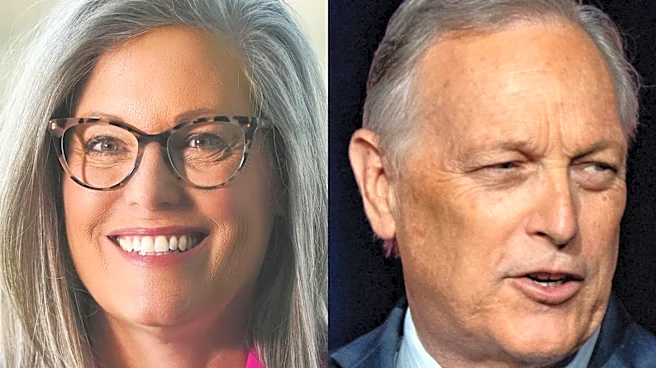


The two major-party candidates for governor have sketched out their policy plans for Arizona's next four years if elected in November.
U.S. Rep. Andy Biggs, the Republican nominee, and incumbent Gov. Katie Hobbs, a Democrat, offered broad pictures about what their leadership would look like. Their ability to score major policy wins will largely depend on if they can work with the Arizona Legislature, which is currently controlled by Republicans. All 90 legislative seats are also on the ballot this year.
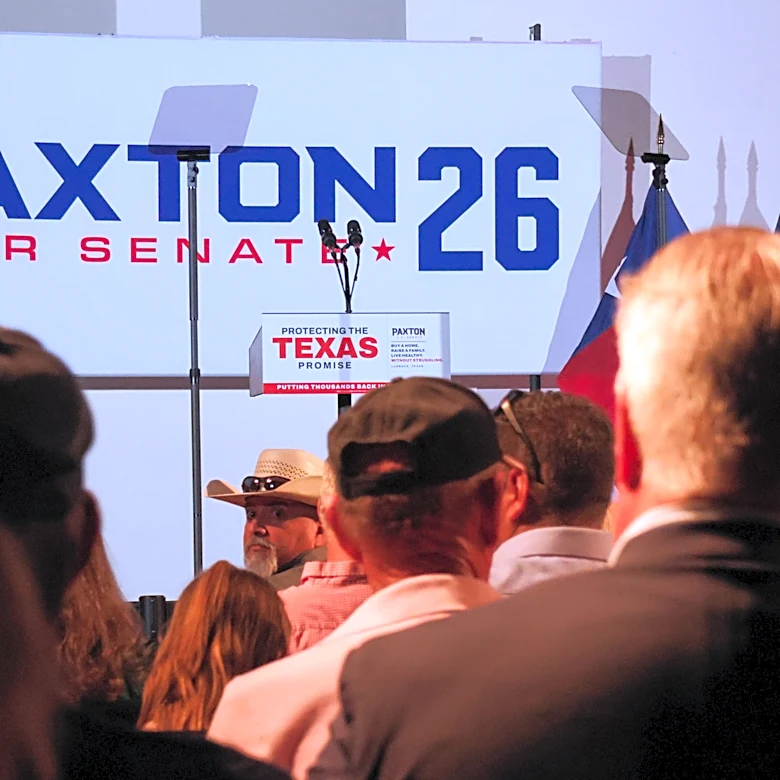
Biggs announced his plans in a Sept. 22 news conference alongside his pick for lieutenant governor, former state Sen. Sine Kerr.
Hobbs declined an interview request about her plans. Her campaign instead sent The Arizona Republic a statement that
was light on details.
Early voting begins Oct. 7 and Election Day is Nov. 3.
"We will create an Arizona where every Arizonan can dream big, hope big hopes, and fulfill those dreams," Biggs said. "Every Arizonan should be able to afford a home of their own, to feel secure in their home, to be able to get a good job, to keep more of their hard-earned money, to know their child can get a good education, and to know that the government that we have is working for them and not against them."
Affordability a top concern
Both Hobbs and Biggs emphasized ways to make living in Arizona more affordable, an issue that many voters flag as the most important this November.
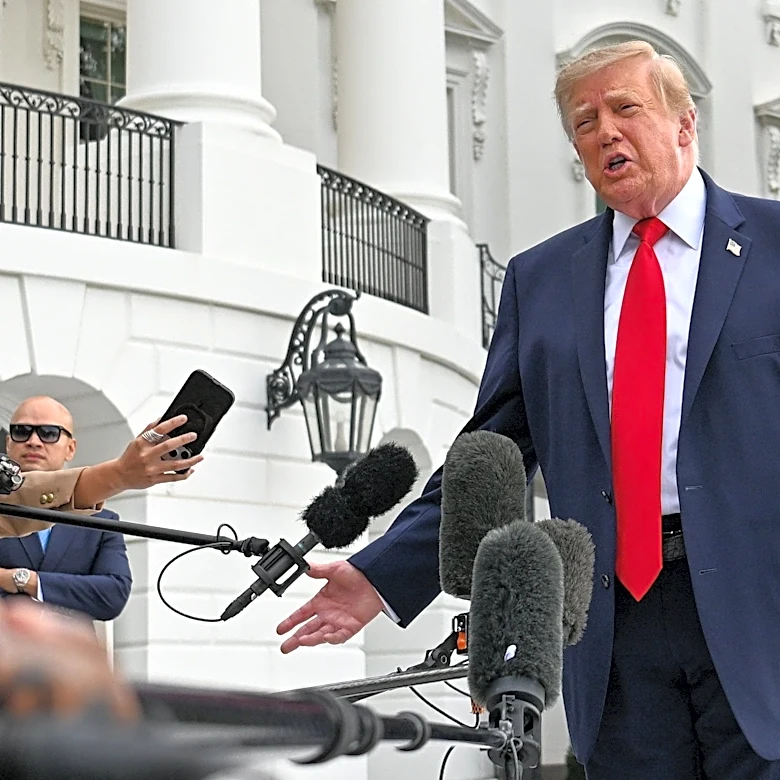
Biggs bashed two reporters as "angry" when they asked him about his support of President Donald Trump's war in Iran, which has spiked gasoline prices. It made for a tense exchange that drew cheers from Biggs' supporters and was reminiscent of Hobbs' GOP opponent four years ago, the former television anchor and frequent media basher Kari Lake.
A gallon of gas in Arizona costs an average of $4.82 as of Sept. 25, according to AAA. Biggs claimed he did not support the war, though he voted against a measure calling for congressional approval of further military action in March, voted against a resolution that would have brought troops home in July and did so again just a week before his news conference.
"While I'm not in favor of the war, I'm going to defend our men and women who have been called on to fight," he said, a pivot from his March vote when he said he wouldn't vote to undermine the president's "limited and strategic" actions.
Biggs said he would work to eliminate the state's 2.5% income tax, already the lowest flat individual income tax rate in the nation. He said he can do that without cutting other state programs that are funded by that tax revenue. Hobbs has been critical of the state's flat tax because of its hit to state revenue streams.
“I will continue to prioritize lowering costs, creating good-paying jobs, protecting water, and investing in public education," Hobbs said in an emailed statement. "That includes my bipartisan rural water proposal to give rural communities a say in how their water is used and crack down on out-of-state corporations pumping our groundwater unchecked."
Biggs and Hobbs have a priority in common: limiting investors from buying large numbers of homes.
Biggs said he would give cities and towns the ability to address short-term rentals, signaling a potential reversal of a 2016 bill signed by then-Gov. Doug Ducey that barred regulations on the industry. That law was amended in 2019 to allow some regulations that targeted party houses.
Hobbs said she wanted "to bring down housing costs by cutting red tape and helping make sure those homes are bought by Arizonans, not out-of-state investors."
Biggs said he would end state incentives for data centers, something Hobbs set out to do this year. In budget negotiations, she wound up with a three-year pause on awarding new incentives.
Biggs said he felt he could convince GOP lawmakers who opposed a full repeal of the incentives this year to support his plan through in-person conversations. Hobbs has said she did not meet with the Legislature's budget negotiators but made calls about the budget.
Health care, MAHA agenda
"We will make Arizona healthy and protect health freedom," Biggs said. He had already rolled out an agenda inspired by the Make America Healthy Again movement, something Biggs believes appeals to independent voters.
Those plans call for limiting the use of federal food assistance to buy junk food and soda and allowing restaurants to serve raw milk. He wants to make ivermectin, which is used to treat parasitic worms and was promoted by MAHA adherents as a miracle treatment for COVID-19 and even cancer, available over the counter. He said he would advocate for "vaccine freedom" and require schools to provide information about immunization exemptions.
Biggs' policy plans and news conference did not address his goals for the Arizona Health Care Cost Containment System, which is Arizona's Medicaid program.
Biggs voted for Trump's 2025 One Big Beautiful Bill, which includes work requirements that could decrease enrollment. The $23 billion program recently notified more than 400,000 enrollees that they could be impacted by changes in Trump's law, and health policy advocates have warned many could lose coverage.
As a state lawmaker, Biggs supported efforts to cut Arizonans off of the program. He opposed Medicaid expansion in 2013, but was overruled by then-Gov. Jan Brewer and lawmakers. He advocated against reinstating KidsCare, Arizona’s version of the Children’s Health Insurance Program in 2016, and proposed a bill in 2011 that would have cut Medicaid enrollment from about 1.3 million people to 80,000 Arizonans.
Hobbs' allies have been highlighting those votes as evidence Biggs' leadership would harm Arizonans.
“Congressman Biggs has always and still believes that our most vulnerable Arizonans should be taken care of under a system that works efficiently and effectively," Biggs' campaign spokesperson and adviser Drew Sexton said. "As governor, he’ll make sure that substantive reforms to AHCCCS are put in place to take care of those who need help the most."
Biggs and his campaign did not answer questions about how he would determine who needs help the most. They would not say whether the nearly 1.8 million people currently enrolled in the state Medicaid program were too many or answer a question seeking more specifics about the "substantial reforms" Biggs would put in place.
Sexton and Biggs instead blamed Hobbs for letting Medicaid fraud continue — though she in 2023 announced a massive crackdown on sober living home fraud that likely started four years earlier — and criticized her administration for not filing annual audits.
Education and vouchers
Hobbs said she would put Proposition 123, an expired ballot measure originally passed in 2016 that pulls additional money from the state land trust to fund public education, on the ballot. She also wants "to crack down on waste, fraud, and abuse" in the state's private school voucher program.
Hobbs has tried for three years to reach an agreement with the GOP-majority Legislature to put an extension of Proposition 123 before voters. But the Democratic governor and GOP lawmakers have been unable to agree on how the funding should be spent, leading to years of impasse without an extension.
Biggs said he also wants to "revive" Proposition 123, but with mandates for putting dollars directly into the classroom.
Biggs and Hobbs are worlds apart on the state's school voucher program, which is open to any Arizona child and gives them thousands of dollars to attend private school or be homeschooled.
Biggs wants to protect and extend Empowerment Scholarship Accounts, as they are formally called, while Hobbs has railed against the program. She called to eliminate universal eligibility in her first year in office, and failing to do so, has sought changes to combat lavish purchases or enact other restrictions.
Biggs' plans for energy, water, education and public safety
Biggs and Kerr want to repeal Hobbs' 2025 executive order that addressed energy projects and allowed wind and solar projects on state land. The Republicans want to use more state land for other development to generate an economic windfall for the state. Biggs wants to support development of new nuclear power. Biggs said the GOP ticket would evaluate whether Hobbs' administratively created Active Management Areas, where groundwater is more heavily regulated, are working.
One in Willcox in Cochise County, "I'm not sure is working very well at all," Biggs said.
Biggs and Kerr also plan to change state law to prevent any future governor from relying on groundwater models to restrict development, as Hobbs did when she released models in 2023 that stopped new home development in areas like Buckeye and Queen Creek.
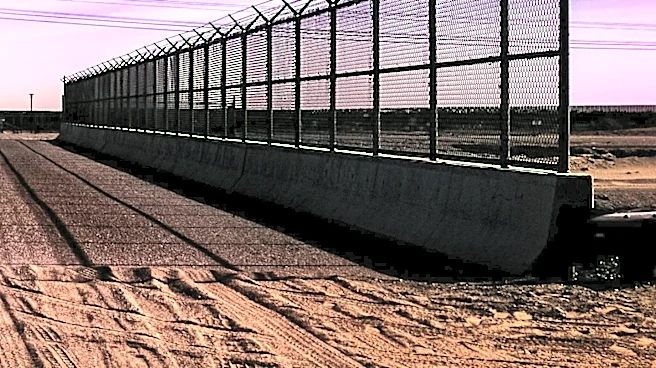
Arizona needs a border czar, according to Biggs, as well as a special task force to tackle the fentanyl overdose epidemic.
He said he would reintroduce a border strike force — a unit within the Arizona Department of Public Safety that Hobbs nominally disbanded after reporting showed the unit did not work along the border and its major drug seizures were attributed to troopers not assigned to the unit.
Biggs also said truck drivers should have to prove they are legally in the United States before operating a big rig on Arizona roadways, an apparent nod to a Trump administration crackdown on "non-domiciled" drivers who the administration contends are a public safety risk.
Reach reporter Stacey Barchenger at stacey.barchenger@arizonarepublic.com or 480-416-5669.
This article originally appeared on Arizona Republic: How Katie Hobbs, Andy Biggs compare on Arizona’s biggest issues