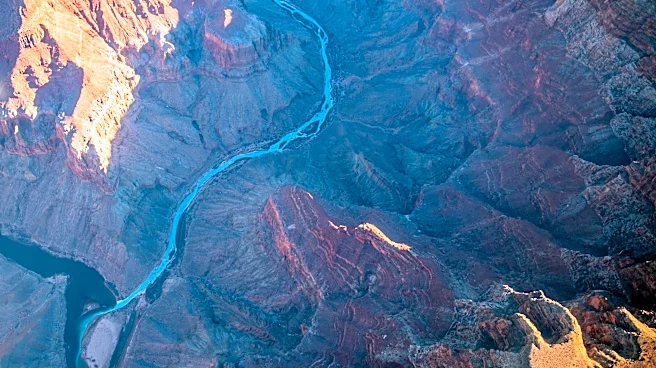




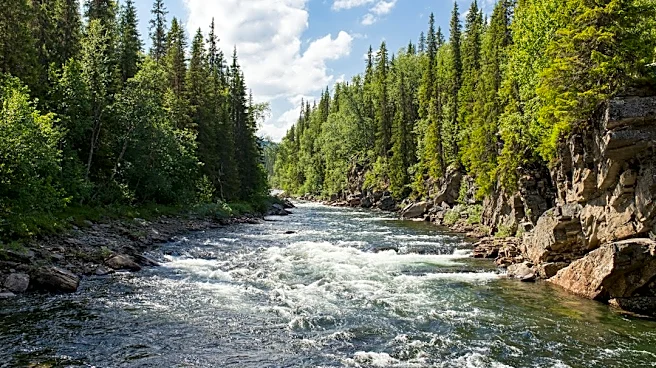
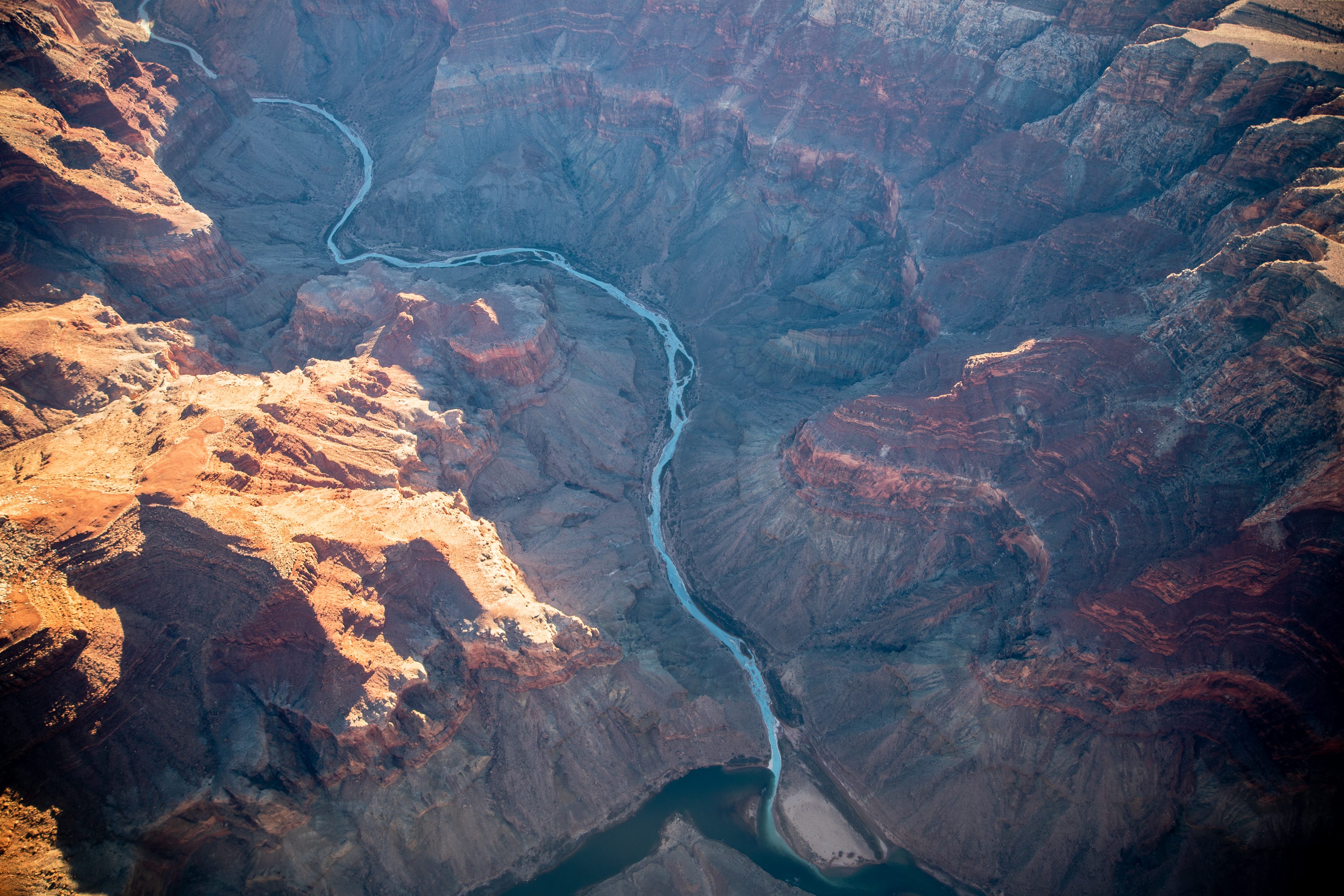
The Navajo Nation has formally designated Tooh Ahidiilíní, the Confluence of the Little Colorado River and Colorado River, and the Little Colorado River Gorge, as a sacred site.
The designation as a sacred site means the area is considered a cultural resource and traditional cultural propertyentitled to the protections of the Navajo Nation Cultural Resources Protection Act.
It also affirms the Navajo Nation’s sovereign position, grounded in Diné Fundamental Law, and opposes commercial or industrial development at the confluence and Little Colorado River Gorge when such development is unwanted by local grazing permittees and land users and would harm the cultural and spiritual qualities of Tooh Ahidiilini and the ceremonial practices associated
with the site.
The measure recognizes Tooh Ahidiilíní as a place of continuing significance to the Diné and identifies the landscape as part of the ancestral homelands of the Diné, Hopi, Zuni, Southern Paiute, White Mountain Apache and Cibecue Apache peoples.
"This legislation has been long overdue," said the measure's sponsor, Council Delegate Curtis Yanito. "It's time for us to protect this area that's been protected by the local people of the Colorado River."
Larry Foster, who has since 2018 worked to gain support for the designation, said the history of the confluence is rich. He explained some of the historical and spiritual connection the confluence has with the Navajo people.
"Navajo Code Talkers, they used this confluence back in 1942...there were ceremonies that were done to give a lot of spiritual effect to our language that was used to win the war," said Foster. "During the time of the Long Walk, when our relatives were held at Fort Sumner, ceremonies were done out there at the confluence."
The site is still used for ceremonial and spiritual purposes. As a descendant of a Navajo Code Talker, Foster said he returns to the confluence from time to time to make offerings because "I honor my language, we honor our language, my family and my children."
In 1992, he said, while working for former Navajo President Peterson Zah, they brought a group of Navajo Code Talkers back to the confluence. They were unable to travel down to the site itself, but there was a makeshift hogan built for them at the top of the overlook.
'Some places shouldn't be developed'
Foster said while there was broad support for designating the area as a sacred site, securing the support of Grand Canyon National Park was a significant hurdle. He said it took at least three years of discussions before the park ultimately supported the designation.
- On Oct. 4, 2016, the Navajo Nation Hataalii Advisory Council, working through the Navajo Nation Historic Preservation Department, issued a position statement regarding Tooh Ahidiilini. The statement found that direct development impacts to the site would diminish the effectiveness of Navajo ceremonies performed to restore health and balance. The council unanimously opposed development of the confluence.
- On Sept. 3, 2021, the Navajo Nation Heritage and Historic Preservation Department issued correspondence formally recognizing Tooh Ahidiilini as a sacred place and Traditional Cultural Property that the Navajo Nation had informally recognized. The department affirmed that this informal designation provides protection under the Navajo Nation Cultural Resources Protection Act.
- The 2021 correspondence also states that the National Park Service and the Navajo Nation had developed a draft Traditional Cultural Property nomination for the U.S. National Register of Historic Places. The proposed nomination identifies the Confluence of the Colorado and Little Colorado Rivers as a sacred place and a contributing element of the broader traditional cultural landscape of the Grand Canyon.

"The legal foundation for this is a complement to some of the federal legislation, the National Historic Preservation Act," said Erik Stanfield, Senior Anthropologist, for the Navajo Nation Heritage and Historic Preservation Department. "The Navajo Nation also has the Cultural Resource Protection Act from 1988, which has provisions for the designation of traditional cultural properties and sacred sites, so this builds upon that.
"What is important about this designation is it helps us create documentation that gives specificity to what is important in these places."
He noted that when issues such as the Grand Canyon Escalade project arise, that documentation will allow the Historic Preservation Department to demonstrate how proposed development could impair those resources. In 2009, Phoenix-based developers began pushing the Navajo Nation to approve the Grand Canyon Escalade, a mega-resort and tramway on tribal lands on the Grand Canyon's east rim. The Navajo Nation ultimately rejected the proposal.
Stanfield said changes to the plants and animals, water quality, or ceremonial offerings at the confluence could affect the site's cultural importance. By documenting these resources and their significance in detail, they can better protect and defend the area.
Navajo Nation President Buu Nygren signed this legislation into law on Sept. 14. In his memo, he said that Tooh Ahidiilini is where the Little Colorado joins the Colorado River and is "sacred to us, the Dine."
Nygren acknowledged previous proposals for commercial development at the site that would have brought thousands of visitors to the area and introduced extensive human-made infrastructure. In response, he said: "Some places are not meant for Five-Fingered People to commercially develop. This is one."
Arlyssa D. Becenti covers Indigenous affairs for The Arizona Republic and azcentral.com. Send ideas and tips to arlyssa.becenti@arizonarepublic.com. Follow her on Bluesky at @abecenti.bsky.social.
This article originally appeared on Arizona Republic: Navajo Nation designates Colorado, Little Colorado confluence as sacred