


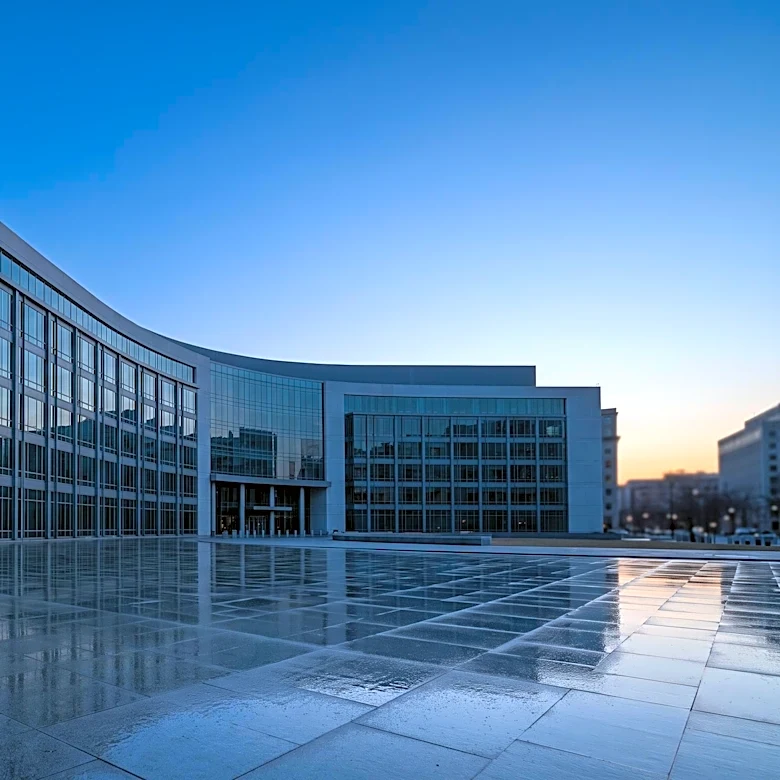

The 9th U.S. Circuit Court of Appeals turned down a request from a coalition of tribes, a group of four Apache women and environmentalists to rehear a case that cleared the way for a land swap that will allow a British-Australian company to mine copper at Oak Flat, a site sacred to Apache peoples.
A three-judge panel of the Appeals Court first ruled against the group on March 13, though sentiment appeared to be changing in the nation's largest appellate court. Currently, the 9th Circuit has 29 authorized judgeships according to its website.
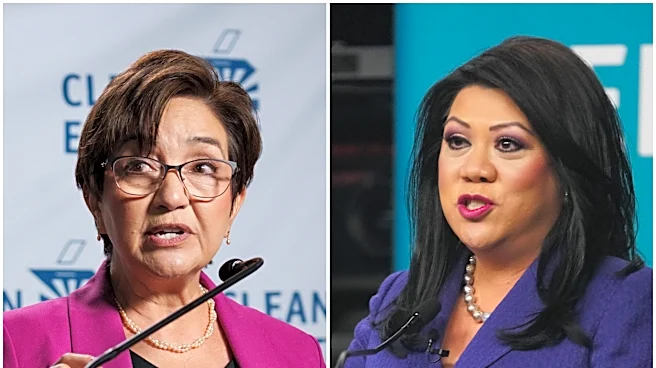
"We were wrong," wrote Judge Susan P. Graber on behalf of 10 of the 11 justices who dissented from the opinion. Four other judges did not vote. “Everyone knew that this second round of litigation was inevitable,”
she wrote, and said the courts should act now: “This is our last chance to prevent the irreversible desecration of a place, of a religion, and of a people.”
Chief Judge Mary H. Murguia warned Oak Flat would be destroyed unless the U.S. Supreme Court stepped in. “Presented with a petition for rehearing en banc, our court had a second opportunity to fix our tragic error," she wrote. "We should have taken it.”
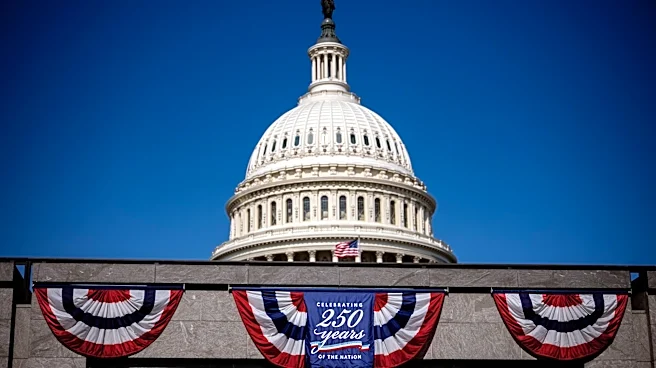
The high court had declined to hear another lawsuit brought by grassroots group Apache Stronghold in 2025, which resulted in a blistering dissent by Justice Neil Gorsuch.
'This fight is far from over'
Opponents of the mine promised they would continue to fight.
“I’m deeply disappointed the court declined to take a closer look at a decision with such enormous consequences for the people of Arizona,” said Russ McSpadden, Southwest conservation advocate at the Center for Biological Diversity. “Oak Flat is a sacred place and an ecological treasure that should belong to all of us. This fight is far from over, and we intend to pursue every legal avenue available to protect it.” The plaintiffs all pledged to continue the fight.
The Sierra Club and the Arizona Mining Reform Coalition, two of the other environmental groups, echoed McSpadden's words.
The coalition's lawsuit says the U.S. Forest Service’s environmental impact statement for the Oak Flat land exchange violated federal law by failing to properly analyze the project's potential damage to waters, public lands and wildlife.
Apache Stronghold, headed by former San Carlos Apache Chairman Wendsler Nosie, said while the court's move was disappointing, it was encouraged that 11 judges joined forces to criticize the court's decision as a "tragic error" and called for the Supreme Court to step in.
Another case by Apache Stronghold is also still in play. The group said in its amended suit filed in April that the government admitted the mine will destroy Oak Flat, which would prevent the Apaches from ever again accessing the site or performing sacred rituals there.
Small campground holds great significance to Apaches, and riches to miners
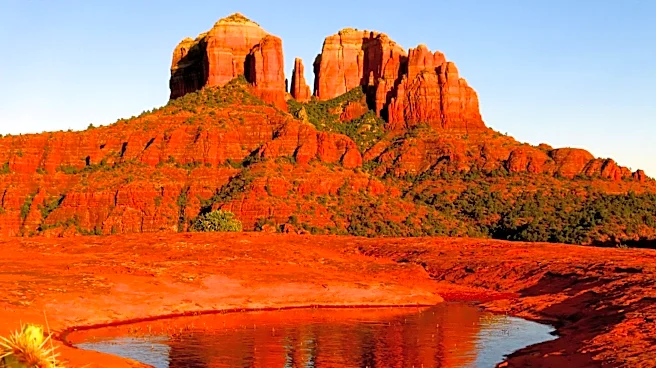
For more than two decades, Oak Flat Campground, known to Apaches as Chi’chil Biłdagoteel, "the place where the Emory oak grows," has been ground zero in a battle over Native religious rights on public lands as well as preservation of one of Arizona's most scarce commodities, a wetland.
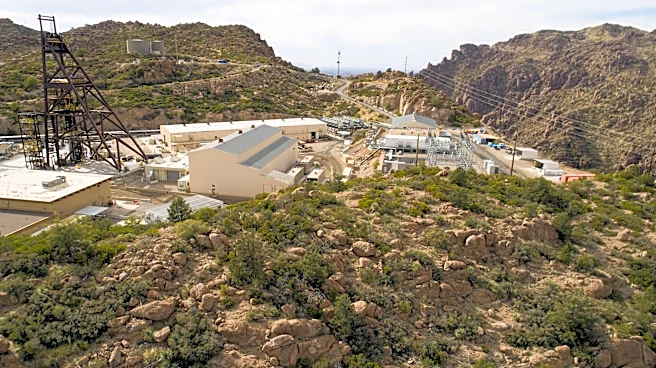
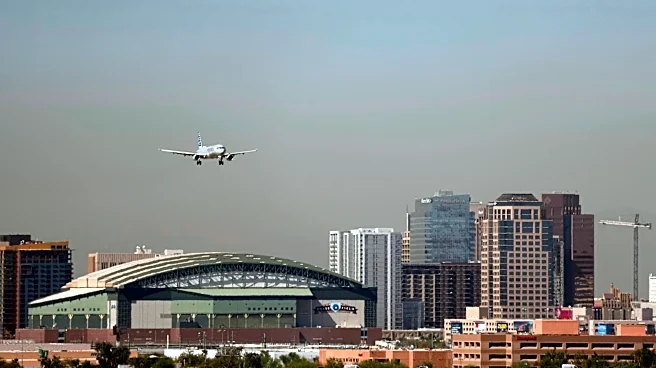
The 2,200-acre primitive campground and riparian zone, within the Tonto National Forest about 60 miles east of Phoenix, also lies over one of the nation's largest remaining bodies of copper ore.
To obtain the copper, Resolution Copper, which is owned by multinational companies Rio Tinto and BHP, would use a method known as block cave mining, in which tunnels are drilled beneath the ore body, and then collapsed, leaving the ore to be moved to a crushing facility.
Eventually, the ground would subside, leaving behind a crater about 1,000 feet deep and nearly 2 miles across where Oak Flat previously was.
Tonto signed over 2,422 acres on March 13, including Oak Flat and some surrounding land, while Resolution conveyed 5,400 acres of "high-value conservation land" to the U.S. Forest Service and Bureau of Land Management. Resolution said these lands include riparian habitats and Native cultural sites in Arizona.
Resolution has said the mine would bring much-needed jobs and revenues to the economically challenged Copper Triangle to the tune of about $1 billion a year. The firm also pledged to leave Oak Flat open as long as it's safe to enter the area.
Nosie said that no matter what happens in the courtroom, Apache Stronghold will never stop defending Oak Flat, which he called "our spiritual lifeblood and the place where our people have prayed and conducted ceremonies since time immemorial.
"Oak Flat deserves the same respect and protection this country has long given to other places of worship."
Debra Krol reports on Indigenous communities at the confluence of climate, culture and commerce in Arizona and the Intermountain West. Reach Krol at debra.krol@azcentral.com. Follow her on X, formerly known as Twitter, @debkrol and on Bluesky at @debkrol.bsky.social.
This article originally appeared on Arizona Republic: 9th Circuit rejects another request to rehear Oak Flat mine arguments