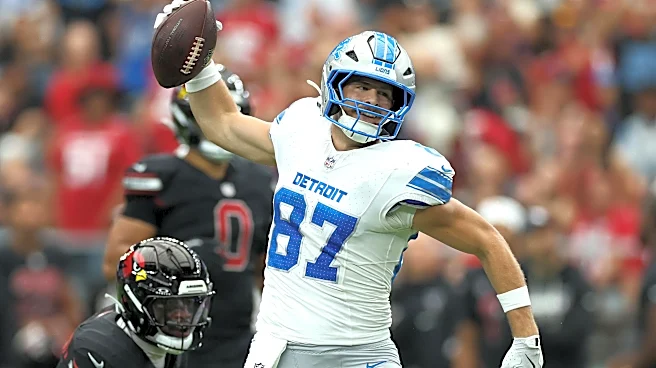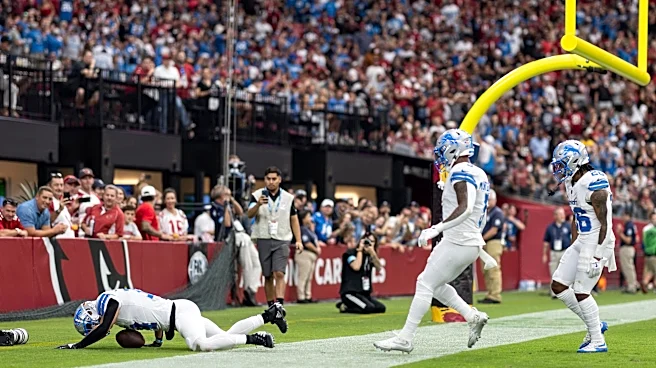


The abnormal lasted right up until kickoff between the Arizona Cardinals and Detroit Lions. The teams were already on the field when, across the country, Houston Texans
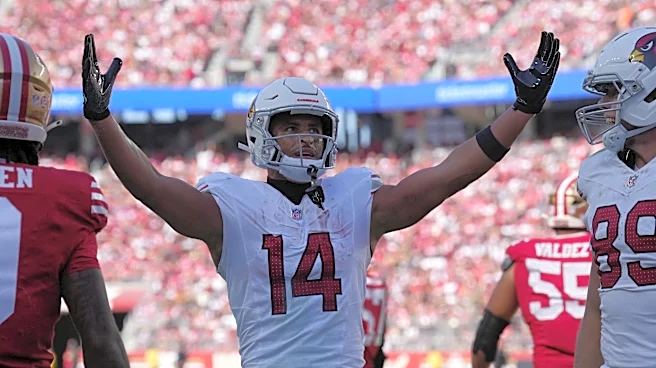
head coach DeMeco Ryans announced that his team was trading for Marvin Harrison Jr., the Cardinals embattled wide receiver. Word quickly spread through State Farm Stadium, detracting attention from the affair at hand for a few series.That’s when the normal returned: Yet another uncompetitive afternoon, yet another insipid offensive performance, yet another defensive nightmare, yet another Cardinals loss.
This time, the final score was 45-21. The defeat dropped the Cardinals to 1-4 on the season and 16-40 since hiring Monti Ossenfort as general manager. On a day when Ossenfort traded
away a former No. 4 overall pick, the latter record felt more meaningful.
Here are three key takeaways.
A strange day in Arizona brings a new low
From the beginning, an uncomfortable air filled State Farm Stadium. On the concourses pre-game, fans spent more time murmuring about Harrison’s potential trade destinations than the matchup ahead. The parking lots were unusually empty for a beautiful fall afternoon.
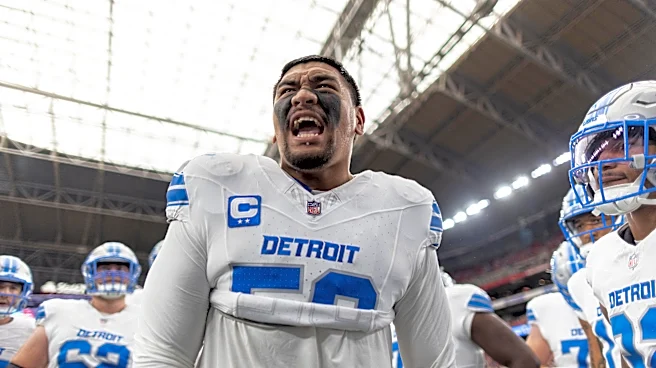
And as kickoff approached, a tidal wave of blue packed the stands. It’s normal, of course, for the Cardinals to cede home-field advantage to opponents from the Midwest and Northeast, at least when the home team is not a contender.
But this was even more jarring than normal. The home side of the stadium appeared to be near a 50/50 split. On the visiting side, it was difficult to spot any Cardinals fans at all. After one late touchdown, both stands filled with chants of “Ja-red Goff!”
It was a jarring reminder of the realities facing the Cardinals. They have repeatedly failed to maximize the talents of their top draft picks, including those who were once fan favorites. They have failed to build anything resembling a competitive outlet.
And five games into another lost season, it’s difficult to find any reasons for optimism.

Against easy opponent, offense goes silent
On paper, this was a day for the Cardinals offense to reveal its ceiling.
Through four games, the Lions ranked among the league’s bottom five teams in points per game, yards per play, EPA per play, passing defense and rushing defense. They were the definition of exploitable, with the issues most glaring in the secondary.
The Cardinals offense, meanwhile, hovered around league average. Despite a 1-3 record, they ranked 21st in scoring and 17th in EPA per play. The recipe was ripe for a big day.
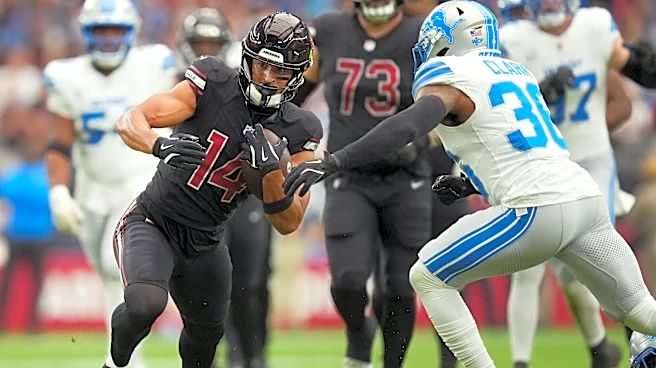
But after an opening drive on which the Cardinals marched 73 yards for a touchdown, their offense went radio silent. Their next five drives all ended in three-and-outs.
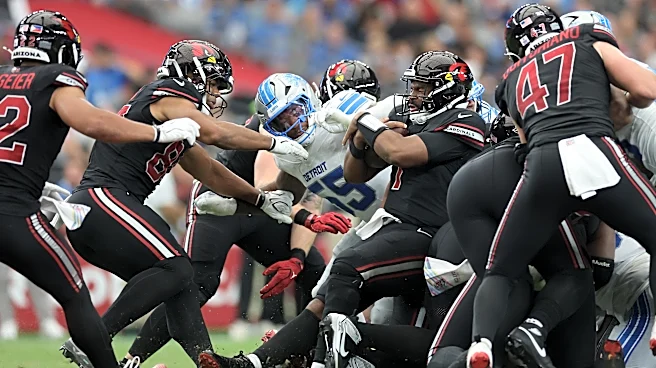
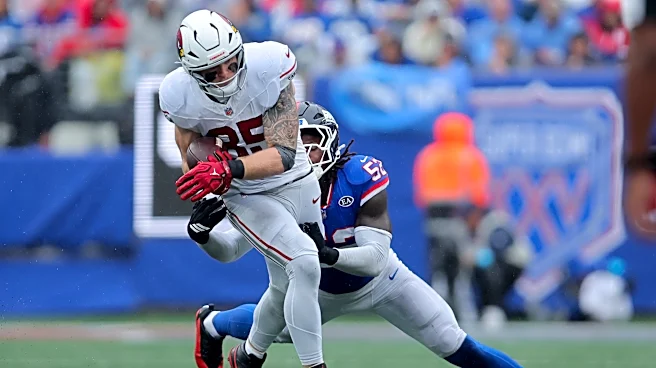
The issues were myriad. Again, the offensive line struggled to open holes in the run game. The pass catchers had difficulty separating, even against Detroit’s secondary. The coaching staff often failed to scheme them open. And Brissett had his worst day of the season, missing open throws and staring down covered wide receivers. When plays broke down, his athletic limitations were on full display.
It was the type of performance that often necessitates change. What that looks like is less clear.
Another defensive nightmare
Unlike the offense, the Cardinals defense faced a challenging test. They were tasked with slowing an explosive Lions offense, all while returning to the field every three snaps.
That, however, does not fully excuse the scope of their ineptitude.
This was the 11th time in the past calendar year that they have allowed at least 30 points. No other team has had more than eight such games.
It was also fifth time in the past calendar year that they have allowed at least 40 points. No other team has had more than two such games.
The manner in which it occurred was equally distressing. After a strong first quarter, the Cardinals capitulated in the second. They allowed multiple touchdowns on fourth-down conversions, including one when they busted in man coverage — a recurring theme.
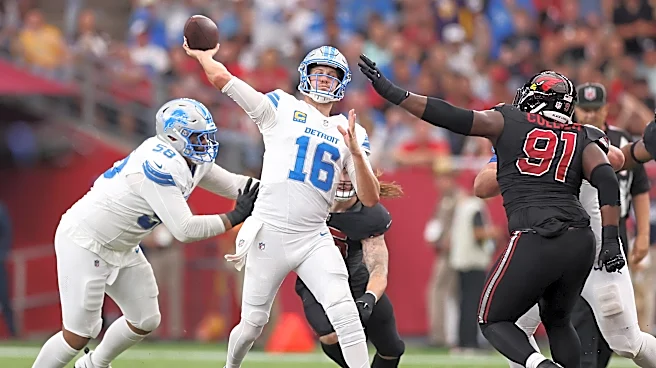
At one point, the Lions appeared to be toying with the Cardinals, running a triple reverse into a successful pass play. On a key third down, they set up a screen so well that the Cardinals had no defenders in the vicinity of Amon-Ra St. Brown.
And who was the offensive coordinator making such easy work of Arizona? That would be Drew Petzing, the playcaller the Cardinals dismissed just nine months ago.
This article originally appeared on Arizona Republic: What we learned in Cardinals humiliating loss to Lions