

In his four drafts as the Arizona Cardinals general manager, Monti Ossenfort has held three picks inside the top five.
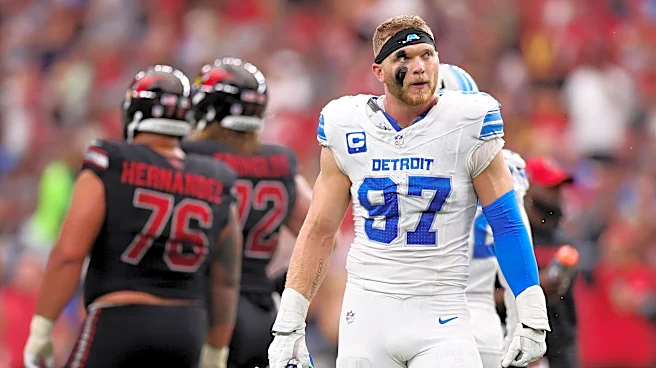
In 2023, he dealt that selection, which was later used on Will Anderson. That stings, because Anderson is the favorite for Defensive Player of the Year, while the Cardinals drafted Paris Johnson Jr., who is out for the season.
But Anderson isn’t walking through that door. So when the Cardinals sputter to another slow start in 2026, talk turned to Ossenfort’s other top picks: Marvin Harrison Jr. and Jeremiyah Love.
The Cardinals changed that narrative on Saturday, Oct. 10, when they made plans to trade Harrison.
While other organizations use top picks to resurrect their fortunes, the Cardinals’ inability to maximize their investments
is a key reason that they remain in the sport’s cellar.
So, ahead of the Detroit Lions’ visit in Week 5, Arizona Republic sports columnist Bob McManaman and Cardinals beat writer Theo Mackie debated the key questions facing the organization when it comes to Love.
The issue: Jeremiyah Love, continue to restrict his snaps?
McManaman:
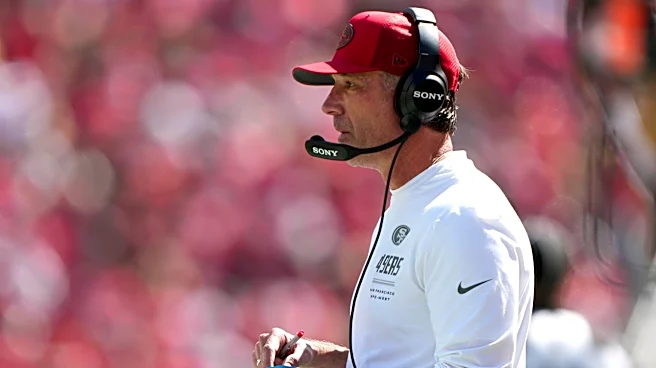
There’s nothing sinister about the way head coach Mike LaFleur and the Cardinals have been handling Love.
At least not yet.
The decision not to have the rookie on the field for the final series against the Giants in Week 4 made sense because A) Tyler Allgeier is a more accomplished blocker in pass protection and B) Love was dealing with another ankle sprain.
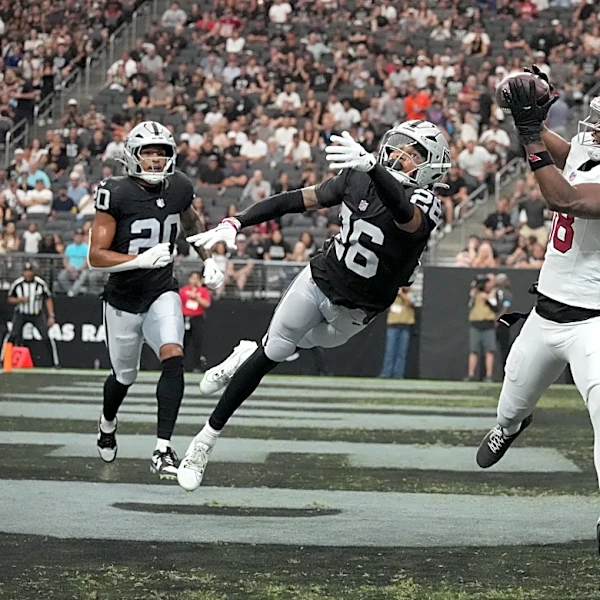
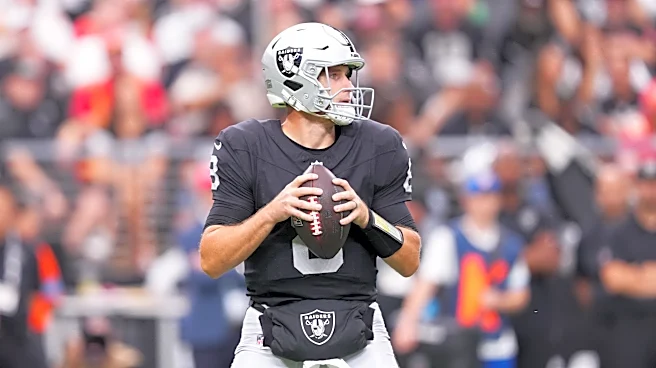
This latest sprain involves his right ankle, not the left he initially injured during a preseason game against the Las Vegas Raiders and sidelined him for a few weeks. This one doesn’t seem to be nearly so serious, which is encouraging.
But it was part of the reason he had only eight carries for 20 yards after rushing for 43 yards on just six runs during the first quarter alone. He was getting some in-game treatment, and LaFleur rightfully limited his touches for precautionary reasons. As Love said afterward, “They were making sure they kept an eye on me.”

Let’s not make this more than it is: The Cardinals are protecting their investment, nothing more. They aren’t hiding him or favoring Allgeier over the prized No. 3 overall draft pick. When Love ran for 90 yards on a season-high 21 carries against the San Francisco 49ers in Week 3, he cemented his status as Arizona’s primary No. 1 running back.
Although it is true that Love has yet to break free for a long touchdown scamper or turn a short screen pass into a breakaway score, it’s only a matter of time until he does. It’s who he is and what he does. Trust me, it’s coming.
Love is still adjusting to the rigors of his first NFL season, and he’s learning how to manage the grind and the soreness that comes with it. Once he settles in and finds his comfort zone, he’ll be just fine and prove to everyone why he was the highest-drafted running back since Saquon Barkley went second overall in 2018.
If he stays relatively healthy and LaFleur and the Cardinals are limiting his touches, then we can have a debate.
The biggest worry concerning Jeremiyah Love is the offensive line. The holes haven’t been there like they have been in Atlanta for Bijan Robinson or in Detroit for Jahmyr Gibbs.
And now Arizona’s best lineman, left tackle Paris Johnson Jr., is out for the season after suffering a torn left biceps. Starting right guard Isaiah Adams (ankle) is also hurt, and the Cardinals will most likely be starting two new linemen when they meet the Lions at State Farm Stadium.
That’s not good for the Cardinals, and it certainly isn’t good for Love.
Mackie:
I’m on the same page as Bob, for a few reasons.
The biggest is Love’s health. After the loss to New York, Love said, “This is probably gonna be the longest year of my life.” That quote was taken wildly out of context on social media, but Love was referring to the challenges of a rookie season. Pre-draft workouts lead into elongated spring practices, which lead into training camp. There is little time for rookies to breathe.

And at a position as demanding as running back, that schedule requires caution. The Cardinals aren’t contending, so there’s no reason to run Love into the ground.
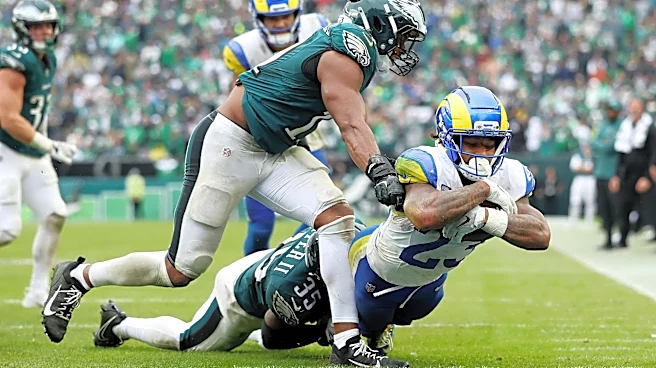
It’s worth remembering that, as a rookie, Bijan Robinson took just 41% of his team’s carries. Jahmyr Gibbs took 40.6% when healthy. Three years later, they’re the league's two best running backs.
So far this year, Love is handling 52.9% of the Cardinals’ rush attempts. He’s been less involved as a pass catcher but is still playing 49.8% of snaps. All of it is aligned with how previous top picks at the position have been handled.
The other element worth mentioning — as Bob pointed out — is pass protection.
LaFleur said that's why Love wasn’t on the field on the final drive against the Giants, and it makes sense. Allgeier is a stout, physical back who excels in pass protection. With the Giants bringing a heavy dose of blitzes, the Cardinals needed that presence. Allgeier delivered, with some key blocks to help keep Jacoby Brissett clean.
Nothing here seems nefarious. The Cardinals need Love to be at his best for the next five years, not to wear down his ankle on pass-protection snaps when they have a backup who excels there.
This article originally appeared on Arizona Republic: Cardinals experts tackle Jeremiyah Love after Harrison trade