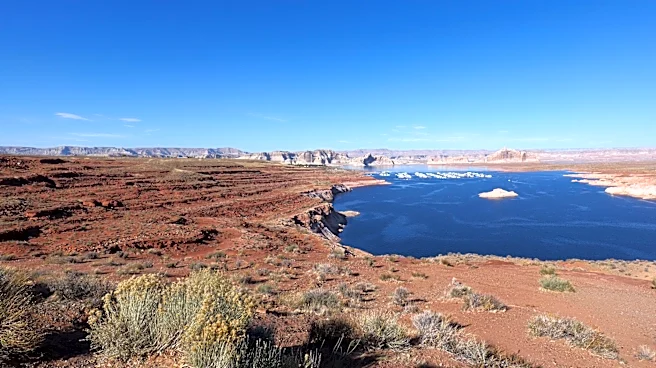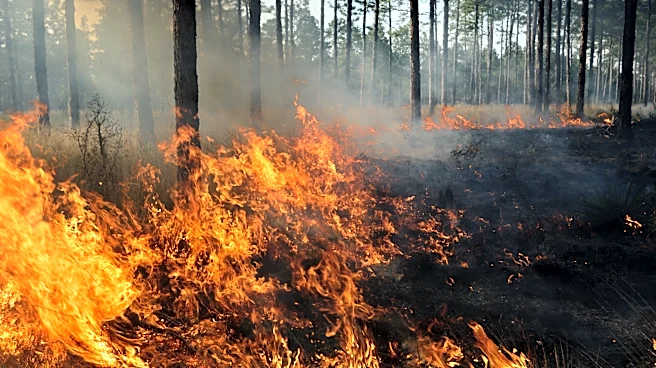








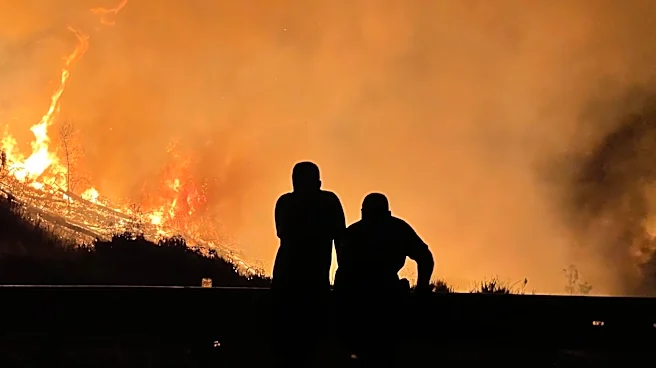
The Island Fire burning through a wildlife refuge about 45 miles north of Yuma has collapsed the Island Unit Bridge across the Colorado River near the rural farming community of Cibola in La Paz County. It was one of only two bridges remaining that link the Arizona and California sides of the river in this area that is popular with hunters, anglers, birdwatchers and as a migratory stopover for hundreds of waterfowl species.
The Island Fire was first reported at 9:17 p.m. on July 25, and grew quickly through dried vegetation to an estimated 3,400 acres with 0% containment by Noon on July 27. The cause is still under investigation, but locals told The Arizona Republic that it had originated near Walter's Camp, a popular hunter camp on the California
side of the river.
No structures are in danger and no evacuations have yet been ordered by the La Paz County Sherriff's Office or the Bureau of Land Management, which is overseeing firefighting operations. According to Chris Wonderly, public information officer for the Department of the Interior who is based out of Phoenix, 39 people were assigned to fight the fire as of the last estimate on July 26, and more were "on order."
Wonderly also confirmed with The Arizona Republic that the fire was the cause of the Island Unit bridge collapse when it burned wooden supports early on July 27.
La Paz County Supervisor Holly Anderson-Irwin did not answer calls from The Republic, but posted warnings on social media asking residents to avoid the river along Hart Mine Road between Walter's Camp and Cibola to stay out of the way of Bureau of Reclamation crews responding to the bridge collapse.
Just under a year ago, in early August 2025, the Oxbow Bridge burned in another brush fire. The Farmer's Bridge along River Road in Cibola is now the only crossing point for travelers in the area without major detours.
After the Oxbow Bridge burned last year, Gov. Katie Hobbs declared a state of emergency in La Paz County, which made more response resources available to remove debris and identify gaps in services. Nearly a year later, however, the bridge has not yet been rebuilt after the county's federal grant application to help support reconstruction was rejected.
Locals to the Cibola area told The Republic that the area feels "like a war zone," with flames along the river and fire trucks driving around to access the remaining crossing point.
Carissa Rosenfeld with local nonprofit Friends of the Cibola National Wildlife Refuge, said that cuts and changes to federal agencies by the Trump administration have meant that there is no longer a fire crew stationed locally that could have perhaps responded faster to the spark.
"The Fish and Wildlife Service used to have their own fire crew," Rosenfeld said. "But with the restructuring of different things under the Trump administration, there's no fire crew that's stationed for the three refuges anymore, the Cibola, the Kofa and the Imperial."
These three national wildlife refuges are managed collectively by the Fish and Wildlife Service as the Southwest Arizona National Wildlife Refuge Complex. Together they make up one of the country’s largest contiguous protected areas for wildlife, protecting more than 1,000 square miles of desert, desert upland, riparian, grassland and forest ecosystems.
The Cibola National Wildlife Refuge is home to huntable species like mule deer, Gambel’s quail, three species of doves and many ducks. It also represents an important wintering ground for birds protected by the Migratory Bird Treaty Act of 1918, including western grebe's, Clark's grebe's, vermillion flycatchers, great blue herons, and various hawks and egrets. The lower Colorado River habitat is also important for native fish like the razorback sucker, bonytail chub and desert pupfish, and other native species including coyotes, burrowing owls and many plants with cultural and ecological significance to nearby tribes and wildlife.
The active perimeter of the 3,400-acre Island Fire is burning almost entirely within the 18,445-acre Cibola refuge.
Rosenfeld said the Hart Mine Marsh had caught fire and she guessed the fire was spreading faster due to dead stands of salt cedar or tamarisk, an invasive plant that drains riverside habitats with deep roots. The tamarisk beetle, which has been introduced in several areas to attack the invasive plant, had made its way to Cibola and done the job of killing some of these shrubs in places where the refuge hadn't yet been able to clear out the dead wood.
In areas cleared of salt cedar as part of riparian restoration after channelization of the Colorado River destroyed much of the natural habitat in the 1960s, prompting the refuge's creation, Rosenfeld said she had heard from others who were currently more local to the fire that these places were acting as natural fire breaks, aiding in firefighting efforts.
"My understanding is that the fire made its way all the way from Walter's Camp up to that clearing, and then the clearing acted like a really big fire break," she said, clarifying that she is out of town this week but has been receiving updates from friends and neighbors. "I think that was a big contributing factor to saving the community so far."
If the fire expands, a nearby historic park, nature trails and a country store could all be threatened, as well as homes, which are often some of the most flammable and toxic dry fuels for wildfires.
Joan Meiners is the climate news and storytelling reporter at The Arizona Republic and azcentral.com. Send tips or questions to joan.meiners@arizonarepublic.com or follow her work on Instagram at @joan_bikes_arizona.
This article originally appeared on Arizona Republic: Island Fire collapses a bridge, burns through Cibola wildlife refuge