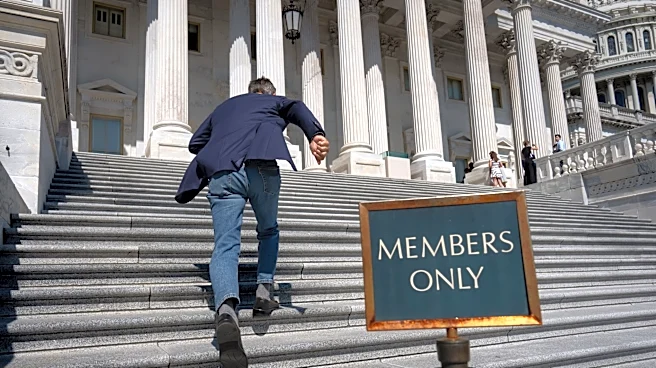


National Democrats are regrouping from a bruising primary in a battleground Arizona congressional district.
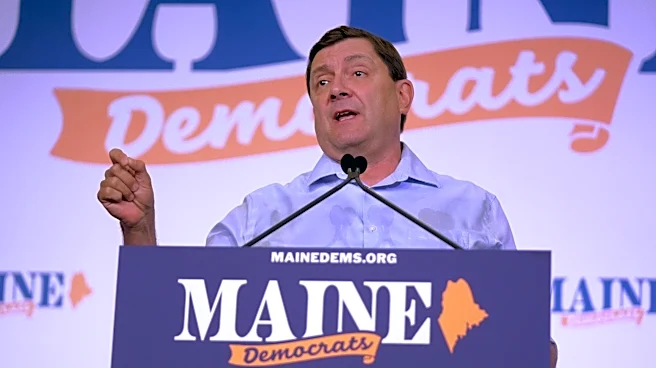
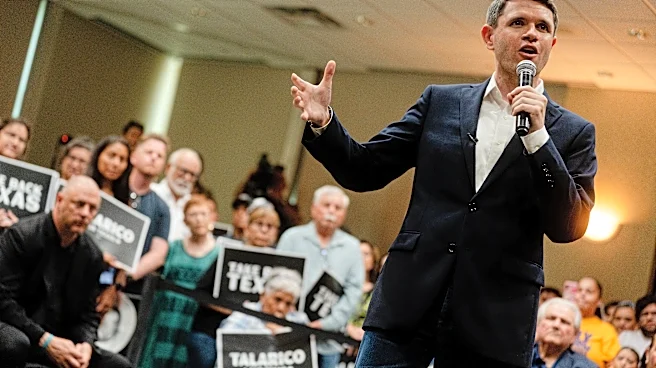
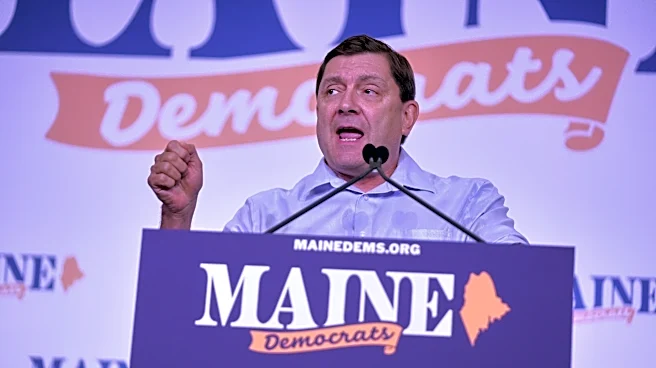
The Democratic Congressional Campaign Committee, the arm of the national party dedicated to electing Democrats to the U.S. House of Representatives, added former state Rep. Amish Shah of Phoenix onto their swing-seat endorsement program July 28, after spending months trying to prevent him from winning the nomination.
The DCCC called Shah a "top-tier candidate" in a written statement to The Arizona Republic.
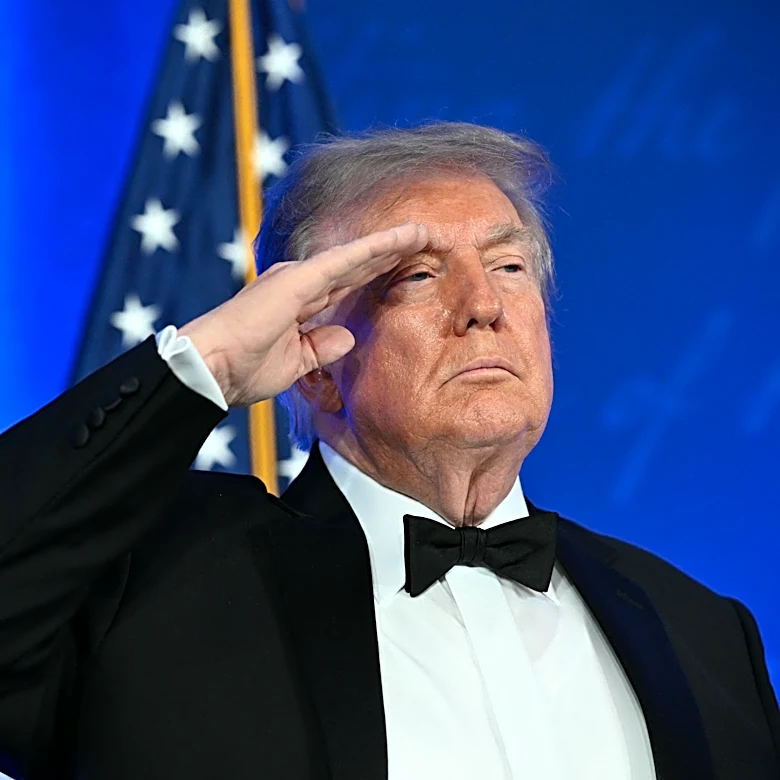
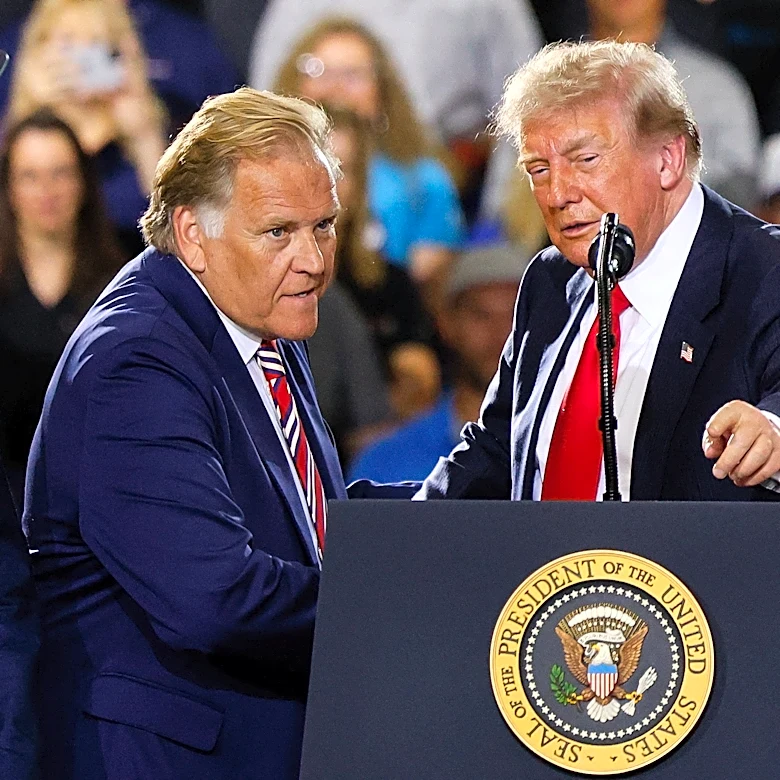
Rep. Suzan DelBene, D-Washington, the chair of the organization, praised Shah as a moderate. She aimed to draw a contrast with his Republican opponent Jay Feely, a former Arizona Cardinals kicker who is endorsed by President Donald Trump.
"An emergency room physician who’s seen the devastation of Jay Feely-backed health care cuts firsthand, Shah will passionately fight for affordable health care and lower costs for every Arizonan," DelBene wrote.
The signal of support, usually a perfunctory announcement by party leaders, holds fresh significance during an election year that has been shaken by Democratic infighting.
The DCCC and its allies in Washington spent millions of dollars attacking Shah and boosting one of his opponents in the primary for Arizona's 1st Congressional District, which covers Scottsdale, north Phoenix, Paradise Valley, and other parts of northeastern Maricopa County. It was one of nearly twenty districts where they made the controversial decision to intervene.
Shah won anyway.
Some Democratic strategists criticized the intervention, calling it a misjudgment of local voters and a waste of resources during a big midterm election year. It deepened a national reckoning over the role of Democratic insiders as the party's approval ratings sag to historic lows.
Republicans have gleefully pointed to the infighting as a sign that Democrats are "in complete disarray."
Ben Petersen, a spokesperson for the National Republican Congressional Committee, called the Democratic primary "disastrous" and Shah "a proven loser," alluding to his 2024 loss against the retiring GOP incumbent Rep. David Schweikert.
"The contrast in AZ-01 couldn't be starker," Petersen wrote.
National Democrats have signaled they will use the disagreement to their advantage in the 1st District, a wealthy area whose voters are historically moderate and favor independent-minded candidates.
The DCCC has begun praising Shah as someone who is willing to buck his party.
"Amish is known as an independent voice who puts Arizona families before party politics," the DCCC wrote. "With a track record of rejecting partisan extremism, Amish is focused on getting things done for Arizona families."
Adding a candidate to the "red to blue" program, focused on flipping Republican-held House seats, is typically the first step towards more significant investment by the Democrats' campaign wing. It's a signal to the wider party apparatus, donors, and stakeholders that the district is a top target of Democratic funds and that the party is setting aside its reservations about Shah.
National Democrats are expected to help finance the expensive television, radio, digital and mailed advertisements that will blanket the district ahead of the Nov. 3, 2026 general election.
The DCCC is invested in providing him "the support needed to continue building a winning campaign," the group wrote July 28.
In a written statement, Shah predicted his race will be "one of the most competitive and hard-fought campaigns in the country.
"The path to putting a check on our out-of-control federal government runs through this district. I'm excited to build a broad coalition to win in November," he said.
The GOP has rallied around Feely, the former NFL player and sports commentator.
Feely had a smoother path to the nomination, coasting to an easy victory on the strength of the president's endorsement, though his close association with Trump could eventually become a liability in the district.
Early voting in the Nov. 3 general election begins Oct. 7.
This article originally appeared on Arizona Republic: How national Democrats are recovering from a bruising US House primary