


At least twice in the past 12 months, Arizona political leaders have sought to unmask anonymous online critics.
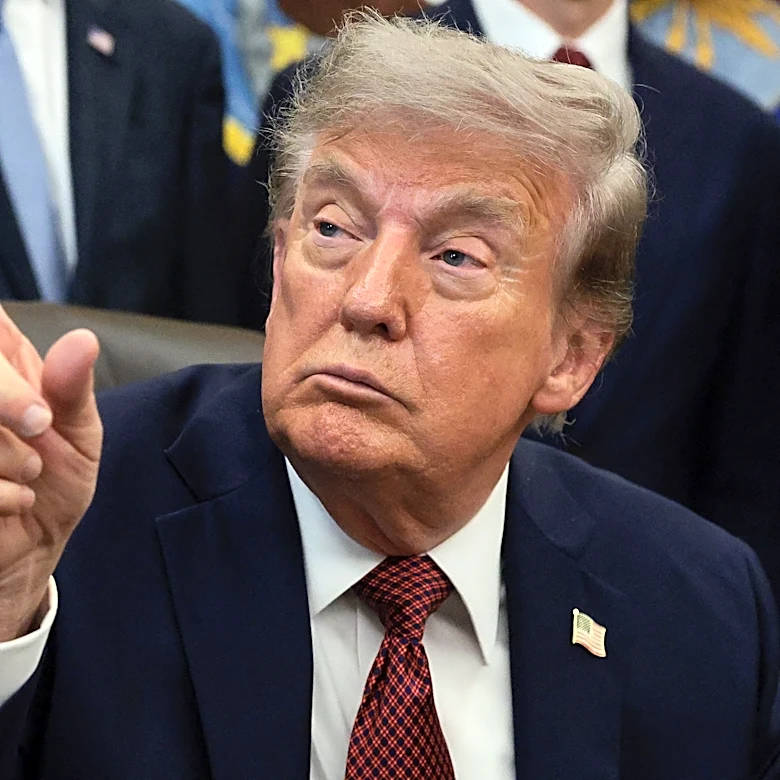
Republican state lawmaker Rachel Keshel in May sought an injunction against harassment, similar to a restraining order, against the anonymous X.com account that uses the handle "William Coffin."
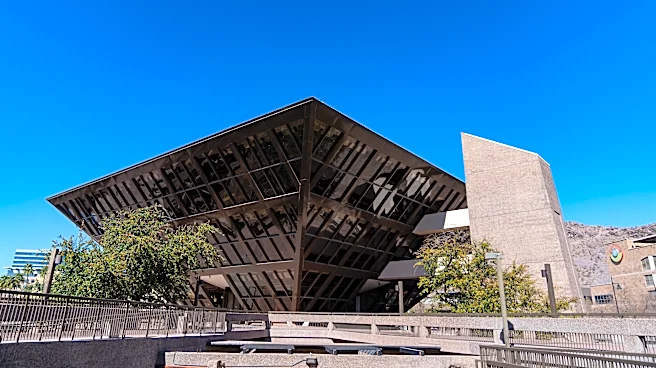
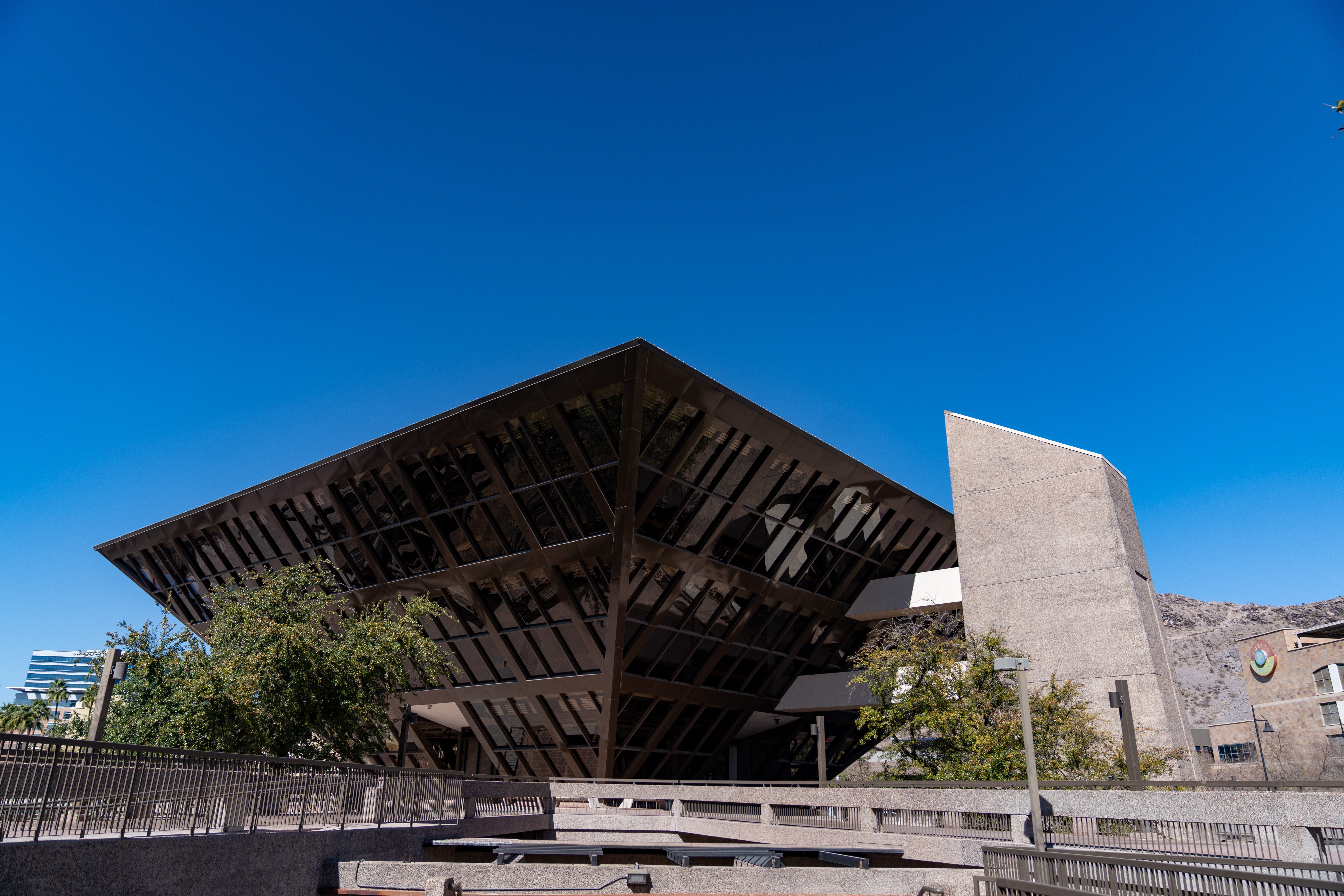
The account repeatedly accused her of unlawfully living outside her Tucson-area district. The injunction was dismissed after a judge determined Keshel failed to prove she targeted the right person.In Tempe, police publicly identified the user behind the anonymous "Konner Culver" Facebook account that for months had rebuked the city's mayor and city manager as corrupt and out of touch. The unveiling came after the account was tagged in a comment
by a separate user that city officials interpreted as a threat. Police sought myriad search warrants that ultimately revealed his name.
Multiple U.S. Supreme Court opinions have upheld anonymous speech, and legal experts have said unmasking such accounts shouldn't be taken lightly.
In the 1995 case McIntyre v. Ohio Elections Commission, a majority of justices described anonymity as "a shield from the tyranny of the majority." The case dealt with an Ohio law banning anonymous campaign literature.
"The right to remain anonymous may be abused when it shields fraudulent conduct. But political speech by its nature will sometimes have unpalatable consequences, and, in general, our society accords greater weight to the value of free speech than to the dangers of its misuse," the opinion said.
The Arizona Republic spoke with both users behind the Konner Culver and William Coffin accounts about why they opt for anonymity, and how they feel about efforts to identify anonymous critics.
Culver was outed as Steven Methvin, a former Tempe deputy city manager who worked at the city between 2012 and 2022. He no longer uses the anonymous account.
Coffin continues to maintain his anonymity. He said he has a background in investigating athletic and financial fraud but transitioned to exposing fraud and hypocrisy among political figures or influencers around 2022.
Their responses were edited for length.
Why did you start posting online?
Methvin ("Konner Culver"): "I spent my entire career in government, and I had never witnessed elected officials behave in the way I saw elected officials behaving in Tempe. ... The treatment of residents and, in some cases, employees, were more based on relationships and alliances and personal agendas than they were on professionalism and experience and service."
William Coffin: "All of my work is basically about lying and hypocrisy. I have an expertise in researching financial stuff: mortgages, bankruptcies, PPP loans, nonprofit fraud, all sorts of stuff. If I encountered a MAGA politician that had pissed me off on Twitter, or a MAGA influencer, who was talking about communism or socialism, sure enough they'd have two or three bankruptcies. You know, a PPP loan and, um, an FHA mortgage. And they're talking about the Deep State, right? So when you juxtapose those things, it just becomes interesting for me and then it became interesting for my following."
Why do you opt for anonymity?
Methvin: "Having known some of the personalities in charge, I was concerned ... I saw it as a necessary safeguard. Government officials do all sorts of things to intimidate and retaliate ... I was concerned about the employees that I worked with, that were close to me or whom I had promoted, that there would be some sort of retaliation."
Coffin: "Mostly death threats."
The Arizona Republic: Really?
Coffin: "Yeah. And because of what I do, you come to realize that anyone can find you at any time, and there's really no safety whatsoever on the (social media) platforms anymore."
How do you feel about the effort to identify you?
Methvin: "It just seems like they went to a great length to uncover something that wasn't that big of a deal in the first place. I'm not saying that making threats against elected officials is not a big deal. Of course it is. But it's just the interpretation of this, I think, went a bit too far. ... Konnor Culver never did anything that was criminal. Never said anything that was criminal. ... The city didn't have to release all the information that they did. ... I think that was meant to intimidate me from ever making any future posts about the city, its leadership and its workings."
Coffin: "The concern has really just risen in lock step with my concern for the country, and free speech and liberty generally. Look at what they did to Geoff. ... It was kind of sickening they tried to chill my free speech like that. Anonyous speech is free speech." (Geoff Coffin is the Scottsdale man Keshel believed was behind the Coffin account; he had to drive to Tucson May 11 to challenge the injunction against harassment Keshel sought. He said he spent $5,000 to defend himself. )
What do you want people to know about your story?
Methvin: "This has never been about embarrassing a city that treated me very well ... it's about what I see as a change in the culture in the last few years. It can be corrected and should be corrected. ... I'm not spending 23 hours a day typing away on a laptop, I'm really not. ... But when we see what's happening, and we do nothing, it gets worse."
Coffin: "I just want the story to be bigger and get out there. I honestly believe you shouldn't be able to live in one district (and run in a different one). ... All I'm doing is searching public records. To try to stop somebody, a citizen, from saying that? I dont know why it's not a bigger story. For both sides of the aisle: Do you not care about free speech? And when it comes down to it, most of them don't. That's the chilling part about it."
Taylor Seely writes about First Amendment issues at The Arizona Republic / azcentral.com. Do you have a story about the government infringing on your First Amendment rights? Reach her at tseely@arizonarepublic.com or by phone at 480-476-6116.
Seely's role is funded through a collaboration between the Freedom Forum and Journalism Funding Partners. Funders do not provide editorial input.
This article originally appeared on Arizona Republic: They hid their names for safety — and were targeted by the government